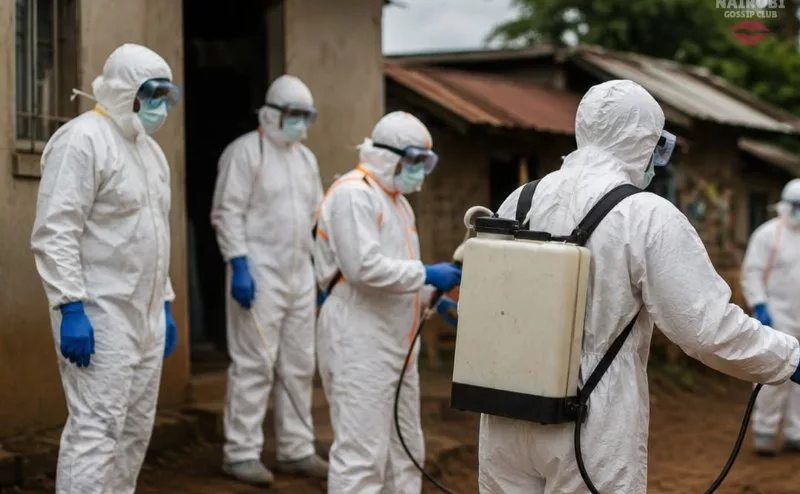
A Kenyan citizen who had travelled from the Democratic Republic of Congo has died in Nairobi from Ebola, confirming the country's first case of the disease. The death occurred just as the festive season is approaching, sparking concerns about the potential impact on businesses and livelihoods. Many Kenyans have invested in recreational businesses that rely on people's free time, evenings, weekends, and holidays. These businesses, including restaurants, recreational gardens, and hotels, may be severely affected if the Ebola situation is not handled with care.
The festive season is a critical period for many businesses in Kenya, with many Kenyans holding events such as weddings, birthdays, and corporate parties towards the end of the year. Travel to safari lodges and beach hotels is also common during this time. However, with the Ebola case confirmed, there is a risk that travel and commerce may be severely impacted. The government must take swift action to cushion Kenya's tourism industry, as foreign health advisories could trigger widespread travel cancellations and deal a major blow to an already vulnerable sector.
The government has already begun contact tracing for patient zero's fellow passengers on the flight from the DRC, and their families. Citizens need to be reassured and given health briefings through regular press briefings, among other communications. The government must strike a delicate balance between caution and panic, as fear and misinformation can be just as damaging to businesses and livelihoods as the disease itself.
Businesses in the hospitality and recreation sector should prepare themselves for the potential impact of Ebola. Hotels, restaurants, event venues, tour operators, and entertainment establishments need to have clear health and safety protocols in place. Their staff must be trained and given reliable information on what to do if a suspected case is identified. Reassurance to both local and foreign guests is crucial at this time.
Citizens are urged to avoid panic and refrain from spreading hearsay or misinformation. The government must provide regular updates and health briefings to keep the public informed. It is essential that people follow official health advice and seek medical attention if symptoms or exposure raise concerns. The public should not attempt to do the work of doctors, public health officials, and the government.
For many small businesses, November, December, and early January are usually the months of celebration and a determinant of whether these businesses will enter the new year with hope or financial uncertainty. The government must move quickly to mitigate the impact of Ebola on the tourism industry. With early detection, transparent communication, strong public health measures, and public cooperation, Kenya can protect both lives and livelihoods.
The government and citizens must work together to prevent the spread of Ebola. By following health protocols, being vigilant, and reporting suspected cases, Kenya can minimize the impact of the disease. The festive season does not have to become a casualty of Ebola; with swift action and cooperation, Kenya can protect both lives and livelihoods.
Key points
- The Kenyan government has confirmed the country's first Ebola case, a Kenyan citizen who had travelled from the Democratic Republic of Congo.
- The government must take swift action to cushion Kenya's tourism industry and prevent widespread travel cancellations.
- Businesses in the hospitality and recreation sector should prepare themselves for the potential impact of Ebola by having clear health and safety protocols in place.