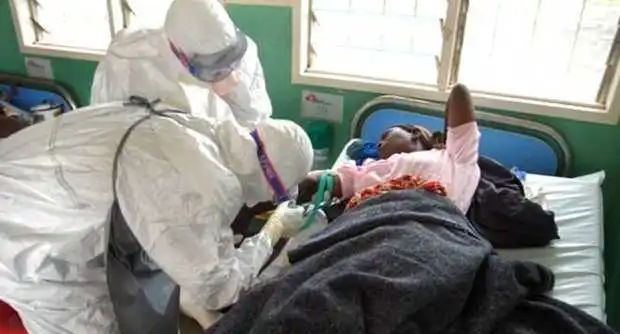
The Ebola outbreak in the Democratic Republic of Congo has recorded 8,787 cases and 4,242 confirmed deaths, according to the World Health Organization (WHO). The UN health agency disclosed the figures in a report published on Saturday, highlighting the growing humanitarian and psychological consequences of the outbreak. As of October 7, the outbreak had also recorded 2,292 recoveries. The WHO report emphasizes the significant impact of the outbreak on families, healthcare workers, and communities.
The WHO report reveals that 193 community workers and 64 psychologists have received specialised training in Ituri Province. This training aims to strengthen support for patients and affected communities. The agency warned that survivors continued to confront psychological distress, stigma, and economic hardship even after recovering from the disease. The outbreak has placed enormous pressure on families, healthcare workers, and communities already affected by insecurity and displacement.
The WHO stressed the importance of integrating mental healthcare into emergency disease-response operations. The organisation said psychological support was being provided to patients, survivors, affected families, and frontline health workers. Nearly 11,300 people had received mental health and psychosocial support services through treatment and transit centres. This support is crucial in addressing the psychological well-being of those affected by the outbreak.
At the Bunia clinic alone, 318 Ebola survivors had benefited from psychological support. The WHO said psychosocial teams were supporting community reintegration through counselling, family engagement, and follow-up visits. Ebola survivors frequently experienced anxiety, social isolation, and rejection after leaving treatment centres. Some also struggled with loss of income, damaged relationships, and uncertainty about their future.
The WHO explained that mental health services were essential to improving treatment outcomes and rebuilding confidence among survivors. The organisation also warned that healthcare workers responding to the outbreak faced significant psychological pressure because of infection risks and demanding working conditions. Addressing these challenges is crucial in controlling the outbreak.
The WHO reaffirmed its commitment to supporting Congolese authorities in strengthening disease control, treatment, and psychosocial services. The agency said addressing the outbreak required sustained attention to both physical recovery and the psychological well-being of affected communities. The organisation will continue to provide support to those affected by the outbreak.
In conclusion, the Ebola outbreak in DR Congo remains a significant humanitarian concern. The WHO continues to work with Congolese authorities to control the outbreak and provide support to affected communities. The organisation's efforts focus on both physical recovery and psychological well-being, acknowledging the long-term impact of the outbreak on survivors and communities.
Key points
- The Ebola outbreak in DR Congo has recorded 8,787 cases and 4,242 confirmed deaths as of October 7.
- The WHO has provided mental health and psychosocial support services to nearly 11,300 people affected by the outbreak.
- The organisation stresses the importance of integrating mental healthcare into emergency disease-response operations to address the psychological well-being of survivors.