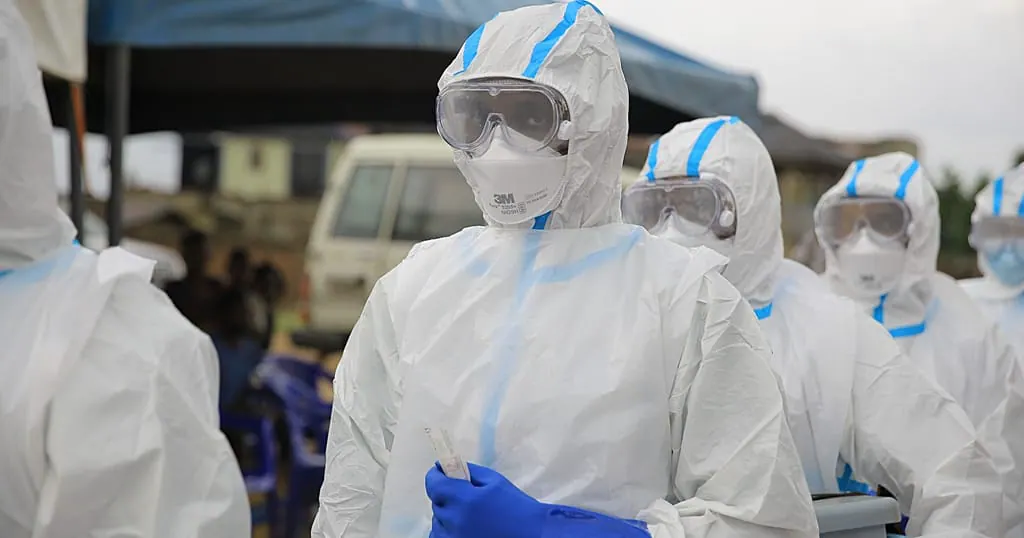
The Democratic Republic of Congo is grappling with a severe Ebola outbreak, with confirmed cases exceeding 8,000, according to government data released on Monday. The country's public health institute reported 3,901 deaths in the outbreak, which is caused by the Bundibugyo strain of the virus. This strain has proven particularly challenging, as there are currently no approved vaccines or treatments available.
The ongoing epidemic has become the largest and deadliest in the history of the DRC. In response, the World Health Organization (WHO) announced plans to begin trials for three potential vaccines against the Bundibugyo strain by October or November. The DRC, in collaboration with WHO and Doctors Without Borders, has also launched a test vaccination programme to assess the effectiveness of jabs designed for a different strain of the virus.
The international community has pledged further financial support to combat the outbreak. On Saturday, the European Union announced a €7.5 million aid package to support the response to the Ebola crisis. The funding will also help increase preparedness, response, and health surveillance capacity in the long term. This aid is part of a wider EU pledge of €710 million euros to support displaced people across Africa and provide global crisis relief.
The United States has also committed additional financial support, announcing the release of $267 million to fight the ongoing epidemic. This brings the total international aid to the DRC to support Ebola response efforts. The funding will be crucial in helping the country to contain the outbreak and mitigate its impact.
The Ebola outbreak has prompted a concerted response from international partners, with a focus on containing the virus and supporting affected communities. The WHO and other health organizations have been working closely with the DRC government to coordinate the response efforts. The situation remains challenging, with the risk of further spread of the virus.
The DRC government, backed by WHO and Doctors Without Borders, is working to raise awareness about the Ebola virus and promote public health measures to prevent its spread. Public demonstrations and awareness campaigns have been organized in affected areas, including Beni, eastern Congo. These efforts aim to educate communities about the risks of the virus and the importance of early detection and treatment.
The international community continues to monitor the situation closely, with ongoing efforts to support the DRC in containing the outbreak. Key efforts include enhancing surveillance, contact tracing, and case management, as well as providing critical care and support to affected patients.
Key points
- The number of confirmed Ebola cases in the Democratic Republic of Congo has surpassed 8,000.
- The European Union has pledged €7.5 million in aid to support the response to the Ebola crisis.
- The United States has announced an additional $267 million to support the fight against the ongoing epidemic.