During a UN Security Council session on the situation in eastern Democratic Republic of Congo, Néné Bintou Iragi, a delegate of the civil society from North Kivu, South Kivu, and Ituri, presented a grim picture of the security, humanitarian, and human rights crisis in the region. She stated that the east is no longer in crisis but in collapse, with a parallel administration imposing illegal taxes and committing targeted atrocities against civilians in areas under the control of the AFC/M23.
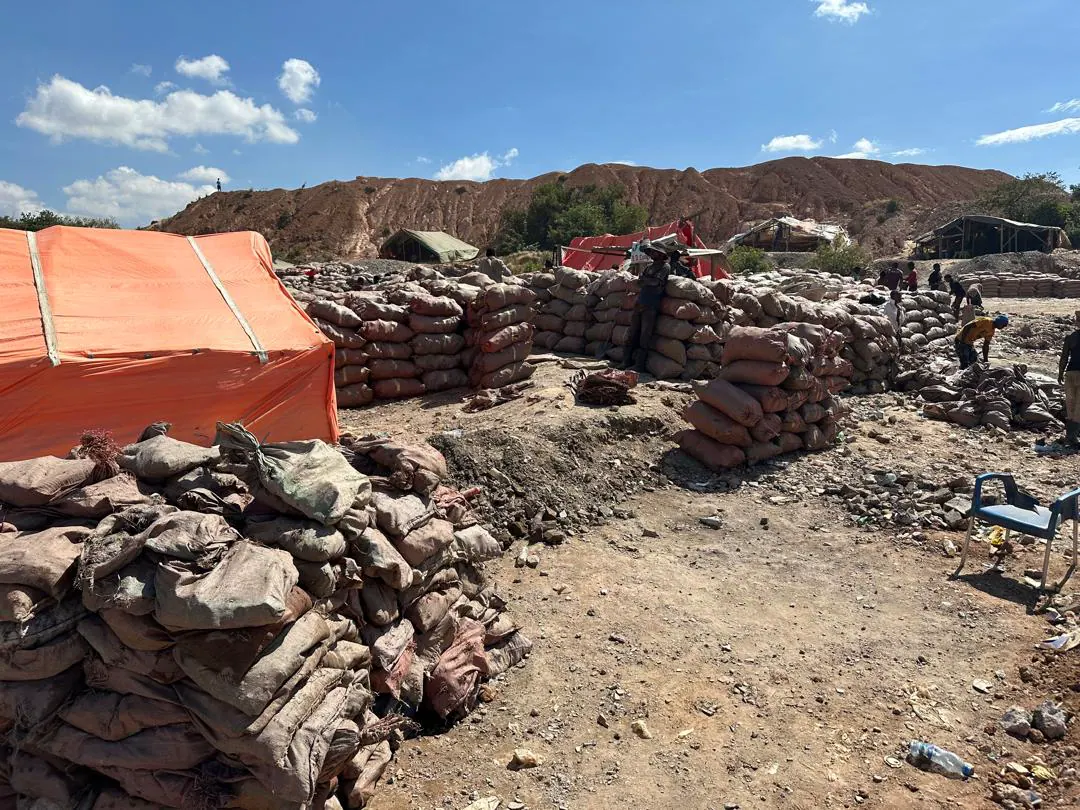
Néné Bintou Iragi reported that in several localities, artisanal miners extract cassiterite, coltan, and gold under the coercion of armed groups, which are then taxed at the source, transported to Bukavu or Goma, mixed with "clean" minerals, and exported through various channels. She alleged that each ton of illegally exported coltan finances the purchase of arms and the recruitment of children into armed groups. The delegate also claimed that some minerals leave Congolese territory through clandestine circuits, escaping traceability mechanisms, and reappear in international commercial circuits.
The conflict has caused nearly 10 million forced displacements in the past year, with hundreds of thousands of displaced people in South Kivu, and approximately 800,000 people living without assistance in various zones. Néné Bintou Iragi stated that humanitarian access is severely limited and sometimes used as an instrument of war, preventing affected populations from receiving needed aid. She also highlighted the situation of human rights defenders and journalists in the region, who face threats, arrests, and kidnappings for documenting massacres, denouncing illegal taxes, or exposing violations against civilians.
Néné Bintou Iragi called for the urgent implementation of UN Security Council Resolution 2773 and better protection for civilians and unconditional humanitarian access in conflict-affected areas. She requested a clear protection mandate for MONUSCO in high-risk zones, with particular attention to human rights defenders. The delegate also advocated for an inclusive dialogue involving civil society, women, and young people to preserve national unity and territorial integrity.
The civil society delegate suggested supporting the local resilient economy, calling for the international community to finance women's and youth organizations, agricultural revival, and initiatives that keep young people away from recruitment by armed groups. She also urged greater accountability in the mining sector, requesting strengthened UN investigation mechanisms, publication of networks involved in conflict mineral trade, and sanctions against armed groups and economic actors financing them.
Néné Bintou Iragi exhorted multinational companies buying Congolese minerals to publicly disclose their due diligence audits to ensure better supply chain traceability. She emphasized that consumers should know if their phones contain blood from Rubaya and called on the international community to transform its listening into concrete actions to protect eastern DRC populations.
The situation in eastern DRC remains dire, with millions displaced, and civilians facing atrocities, and the international community is urged to take concrete actions to address the crisis. The UN Security Council must take steps to address the root causes of the conflict, including the exploitation of minerals, and ensure accountability for those responsible for human rights abuses.
Key points
- The conflict in eastern DRC is fueled by the exploitation of minerals, with armed groups and economic actors profiting from the trade.
- The international community must take concrete actions to address the crisis, including supporting the local economy and ensuring accountability in the mining sector.
- The UN Security Council must implement its resolutions and ensure the protection of civilians and human rights defenders in eastern DRC.