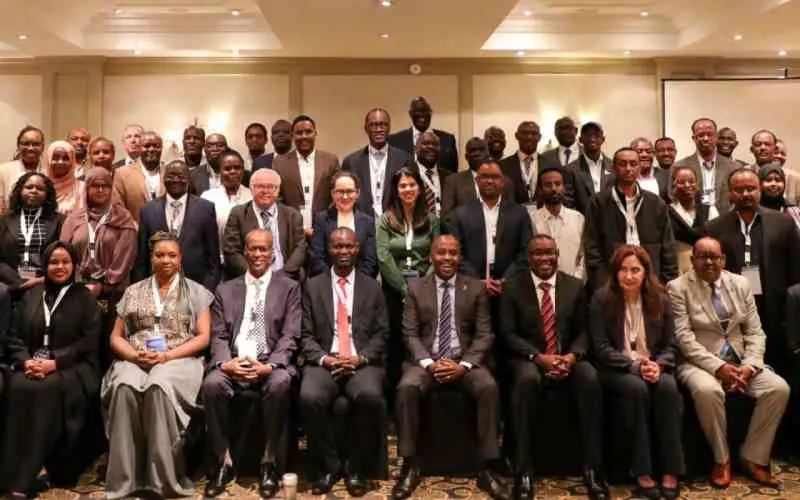
Eastern African countries are pushing for a more connected regional digital economy through closer cooperation and coordination. A three-day Regional Coordination Workshop on Accelerating Regional Digital Integration and Connectivity Across Eastern Africa is underway in Nairobi from September 22–24. The meeting brings together representatives from Djibouti, Ethiopia, Kenya, Somalia, and South Sudan, alongside the East African Community (EAC), the Intergovernmental Authority on Development (IGAD), and the World Bank.
The workshop aims to overcome fragmented national systems and create seamless digital services across borders. Participants emphasize the need for coordinated solutions to deliver seamless connectivity, interoperable digital services, and trusted digital ecosystems across borders. This comes as Eastern African countries expand investments in broadband infrastructure, digital public services, cybersecurity, and digital inclusion.
Several countries represented at the meeting are implementing World Bank-funded national digital integration and connectivity projects under the Eastern Africa Regional Digital Integration Project (EARDIP) and related programs. The EAC and IGAD are pursuing complementary initiatives focused on cross-border connectivity, policy harmonization, and deeper digital integration.
Kenya is playing an important role in the regional agenda through digital initiatives supported by the World Bank-funded Kenya Digital Economy Acceleration Project (KDEAP). These initiatives are closely aligned with EARDIP objectives, creating opportunities for Kenya to contribute to broader regional integration efforts.
A key issue emerging from the workshop is the need to address barriers that make digital interaction across borders difficult. These include differences in policies and regulations, limited interoperability between digital systems, uneven connectivity, and growing cybersecurity risks. Participants are examining ways to strengthen cross-border broadband networks while creating a more coordinated approach to cybersecurity.
The discussions are organized around five strategic priorities: enhancing connectivity, expanding digital public infrastructure and services, strengthening regional cybersecurity cooperation, promoting cross-border digital trade, and deepening coordination among governments and regional institutions. Cross-border digital trade and e-commerce are particularly important to the region's emerging digital economy.
The workshop is taking stock of progress from earlier regional coordination efforts, including policy and regulatory harmonization, knowledge-sharing platforms, and bilateral agreements that have supported connectivity and cooperation. The broader objective is to lay the foundation for a secure, inclusive, and connected Eastern African digital economy, where citizens, governments, and businesses can interact more easily across borders.
Key points
- Eastern African countries are pushing for a more connected regional digital economy through closer cooperation and coordination.
- The workshop aims to overcome fragmented national systems and create seamless digital services across borders.
- Kenya is playing an important role in the regional agenda through digital initiatives supported by the World Bank-funded Kenya Digital Economy Acceleration Project (KDEAP).