The development of Uganda's oil and Tanzania's natural gas reserves presents an opportunity for East Africa to create a thriving energy-industrial corridor. However, the region's infrastructure is fragmented, with different countries controlling various pieces of the puzzle. A coordinated approach is necessary to ensure that investments in refineries, ports, and pipelines are efficient and complementary. This requires governments to work together to create a regional framework for strategic infrastructure planning.
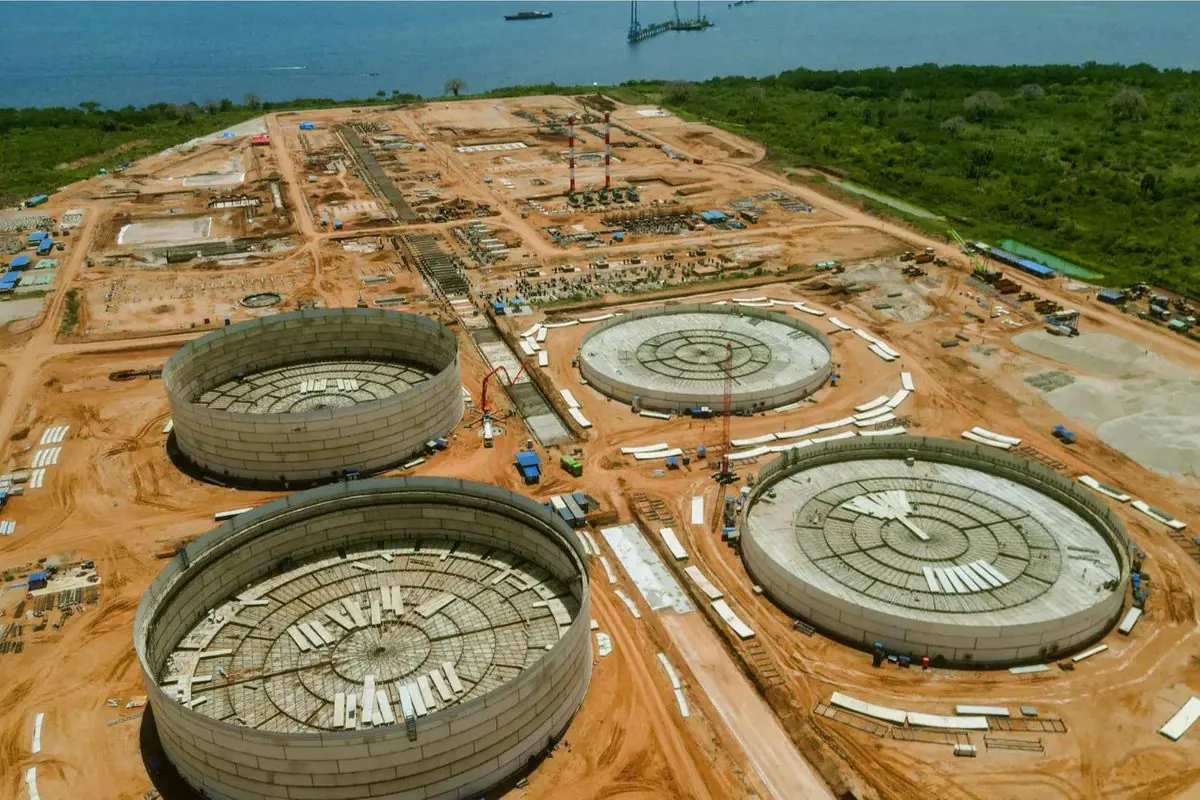
Several major projects are underway in the region, including Uganda's Hoima refinery, the East African Crude Oil Pipeline (EACOP), and the proposed Tanga regional energy hub. While each project may make economic sense on its own, it is unclear whether the combined regional system will be efficient. A refinery's optimum size depends on the market it serves, while a pipeline needs sufficient throughput. The lack of coordination could result in unnecessary duplication of infrastructure, wasting scarce capital.
Regional integration should allow countries to specialize in specific functions, such as hosting a refinery or supplying crude oil. The benefits of integration can be shared through equity participation, transit revenues, and procurement. However, this requires coordination to ensure that investments are complementary rather than duplicative. If governments make strategic investment decisions independently, East Africa may end up with expensive parallel systems. A regional study is needed to identify the most efficient combination of refineries, ports, and pipelines.
The East African Community (EAC) Heads of State should consider commissioning a Regional Petroleum, Petrochemical, Pipeline and Ports Optimisation Study to 2050. This study would examine Uganda's crude production and refinery plans, EACOP, and Tanzania's natural gas reserves, among other factors. The goal is to provide governments with a regional framework for assessing commercial decisions, not to dictate them. Several scenarios should be examined to account for uncertainty in oil demand, technology, and resource discoveries.
East Africa has made significant progress in cooperation, but coordination is the next stage. Cooperation involves governments consulting and removing barriers, while coordination requires considering how investments fit with neighboring states' developments. This demands better information, greater trust, and stronger regional institutions. A regional study can identify efficient investments, but implementation requires governments to agree on common priorities and accept that an investment across the border may serve their citizens better.
The EAC has confronted similar challenges before, and the stakes are now higher. The region's economic integration has been rebuilt gradually, but the question remains whether the expanded EAC must strengthen its common authority to plan its shared future. This is a political as well as economic challenge, requiring governments to balance national interests with regional goals.
According to Prof. Anna Kajumulo Tibaijuka, a former Tanzanian Cabinet minister and former United Nations Under-Secretary-General, the region's future depends on its ability to coordinate infrastructure planning. She argues that a regional study will help identify investments that remain economically useful under a range of plausible futures. The study's findings will inform governments' decisions and ensure that East Africa's energy-industrial corridor is efficient and effective.
Key points
- A regional study is needed to identify the most efficient combination of refineries, ports, and pipelines in East Africa.
- East Africa's energy-industrial corridor requires coordinated infrastructure planning to ensure efficient investments.
- The region's economic integration requires stronger regional institutions and greater trust among governments.