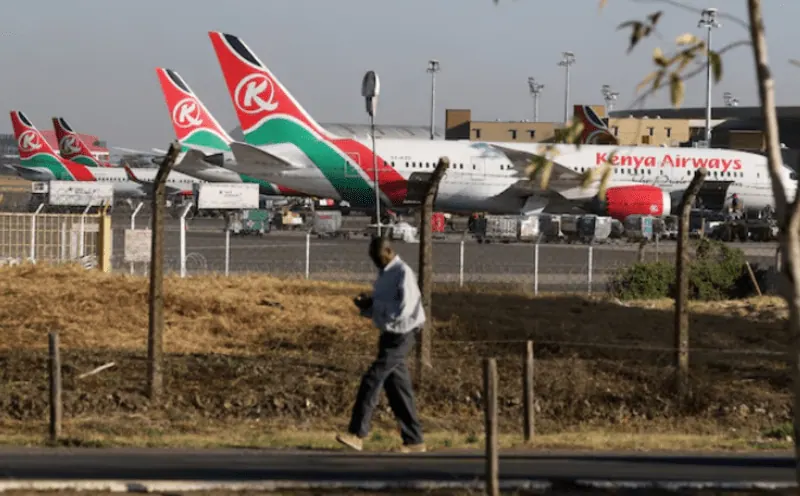
A consortium of East African carriers is set to adopt more direct flight paths through the region's airspace, aiming to reduce travel times, fuel consumption, and operating expenses. This initiative utilizes Free Route Airspace (FRA) and User Preferred Routes (UPRs), allowing pilots to choose efficient trajectories between waypoints while remaining under air traffic control. The African Airlines Association (AFRAA) has been coordinating the expansion of FRA and UPRs with aviation authorities.
By August 2025, AFRAA secured approvals for six airlines to operate on 30 city-pair routes. The association estimates that the new routes could trim over 1,393 flight hours and save approximately 5,000 tonnes of fuel annually, resulting in about $15 million in fuel-cost reductions and a cut of 16,000 tonnes of CO₂ emissions. This move is expected to have a significant impact on the region's aviation industry.
Trials conducted between July 1 and September 15, 2026, involved three participating airlines operating 2,189 flights on UPRs. These flights collectively saved about 8,000 minutes of flight time, 1,218 tonnes of fuel, and prevented 3,838 tonnes of carbon dioxide. The financial benefit of these trials was estimated at roughly $900 per flight, amounting to approximately $2 million across the trial flights.
According to AFRAA's Director of Technical and Operations, Gaoussou Konaté, while lower fuel costs may eventually enable more competitive fares, ticket prices are influenced by multiple factors and will not drop immediately. The association is working towards operationalizing UPRs across Eastern and Southern African airspace by January 21, 2027.
The rollout of FRA and UPRs follows successful trials in Western and Central Africa that began in October 2025. Airlines anticipate that routes currently requiring large detours around fixed corridors will reap the greatest efficiency gains. However, actual benefits will depend on specific trajectory reductions, weather, and traffic conditions.
The adoption of direct routing is expected to have a positive environmental impact by reducing carbon emissions. AFRAA's initiative aligns with global efforts to minimize the aviation industry's ecological footprint. The association's efforts to implement UPRs and FRA are ongoing, with a focus on expanding the program to more airlines and routes.
As the implementation of UPRs and FRA continues, East African airlines are poised to benefit from reduced fuel consumption, lower operating expenses, and decreased travel times. The success of this initiative will depend on the continued collaboration between AFRAA, aviation authorities, and airlines. Key benefits of the initiative include reduced flight hours, significant fuel savings, and a decrease in carbon emissions.
Key points
- East African airlines aim to save thousands of flight hours and millions of dollars in fuel costs by adopting direct routing.
- The African Airlines Association estimates that the new routes could trim over 1,393 flight hours and save approximately 5,000 tonnes of fuel annually.
- The association targets January 21, 2027, to operationalize UPRs across Eastern and Southern African airspace.