A significant earthquake with a magnitude of 5.1 was felt in several parts of Kenya, Uganda, Rwanda, and Burundi on November 5, 2026, at approximately 12:27 p.m. East African Time. The earthquake originated near Ushirombo in the Geita Region of northwestern Tanzania, close to Lake Victoria. The tremor was reported in Nairobi, Murang’a, Kiambu, and Kajiado counties of Kenya, as well as in surrounding areas of Tanzania, Uganda, Rwanda, and Burundi.
Initial reports from geological experts placed the magnitude of the earthquake at 5.6, but subsequent measurements revised it to 5.1. The earthquake occurred at a relatively shallow depth of approximately 10 kilometres beneath the Earth’s surface. This geological activity is connected to the East African Rift System, one of the most significant geological features on the African continent.
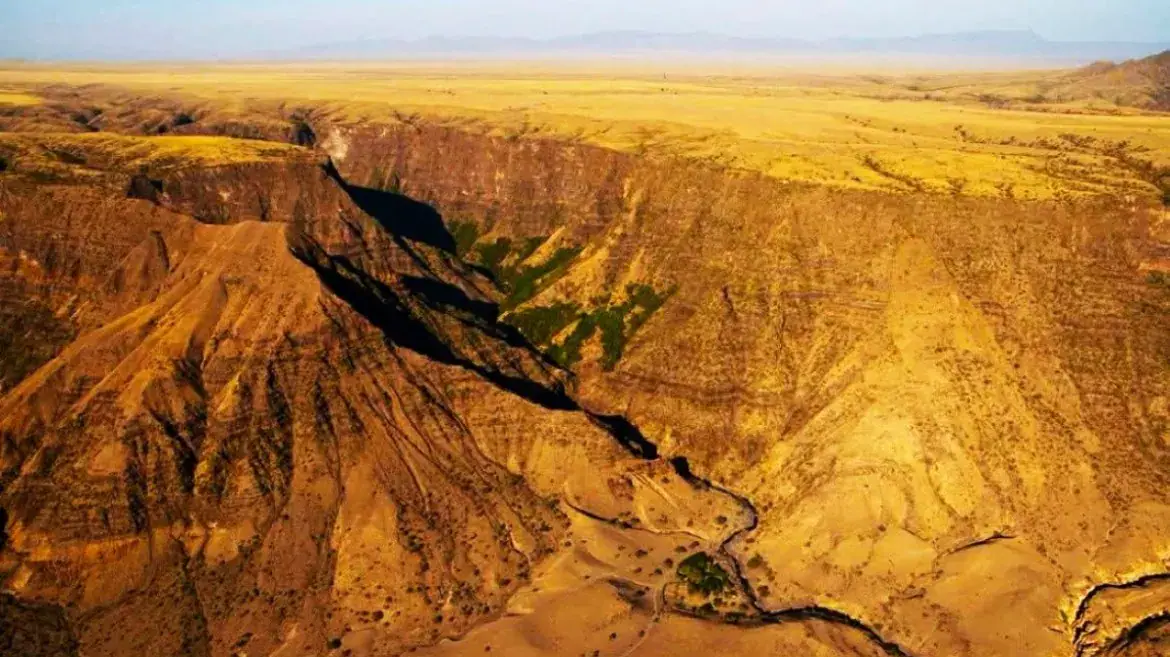
The East African Rift System stretches from the Afar region in Ethiopia, through Kenya and Tanzania, towards southern Africa. This region is where the Earth’s crust is slowly pulling apart, and the African tectonic plate is gradually separating into two major sections: the Nubian Plate to the west and the Somali Plate to the east. This movement happens very slowly, over millions of years.
As the Earth’s crust stretches, it develops cracks and weaknesses called faults. Pressure gradually builds up along these faults, and when rocks suddenly move, stored energy is released, producing seismic waves that travel through the ground. These seismic waves are responsible for the shaking experienced during earthquakes.
Kenya lies within this active geological region, and the Great Rift Valley, with its dramatic escarpments, volcanic mountains, deep valleys, and geothermal areas, is a visible result of geological processes that have been shaping East Africa for millions of years. These same geological processes have also given Kenya valuable geothermal energy resources, particularly around Olkaria in Naivasha.
Earthquakes are natural geological events, and understanding them is crucial. During an earthquake, it is recommended to drop to the ground, take cover under a sturdy table, and hold on. It is also essential to keep away from windows and objects that could fall. The earthquake serves as a reminder of the importance of earthquake preparedness and awareness in the region.
Key points
- The earthquake had a magnitude of 5.1 and originated near Ushirombo in the Geita Region of northwestern Tanzania.
- The East African Rift System is a significant geological feature that stretches from Ethiopia to southern Africa and is responsible for the region's seismic activity.
- Kenya lies within an active geological region and has valuable geothermal energy resources due to its location within the East African Rift System.