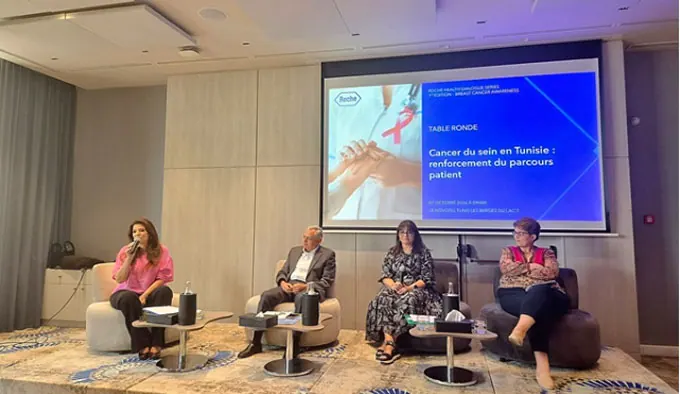
Breast cancer remains the most common cancer among women in Tunisia, with over 4,000 new cases reported annually. The country's healthcare sector is emphasizing the importance of early detection and swift care in improving patient outcomes. A recent roundtable discussion, part of the Roche Health Dialogue Series, brought together medical experts to address the challenges in breast cancer care. The event highlighted the need for better coordination and access to healthcare services, particularly in rural areas.
The roundtable discussion, organized by Roche Tunisia, featured experts including Professor Henda Rais, head of the medical oncology department at the Salah Azaïez Institute, Professor Habiba Mizouni, head of the radiology department at La Rabta Hospital, and Professor Jamel Daoud, a radiation therapy specialist and representative of the Dar Al Amal association. The discussion focused on the current state of breast cancer care in Tunisia, the importance of early detection, and the role of psychological and social support in patient care.
Experts stressed that time is crucial in breast cancer treatment, with early detection significantly improving patient outcomes. Mammography and breast ultrasound are essential tools in detecting breast cancer, and women are encouraged to consult their doctors to determine the best course of action for their age and health status. Reducing delays in diagnosis and treatment is critical, with Professor Mizouni emphasizing that "in breast cancer, time is of the essence."
The discussion also highlighted the importance of addressing social and financial barriers that can hinder patient care. The Dar Al Amal association, established in 1995, provides accommodation and meals to patients and their families, helping to alleviate some of the difficulties faced by those traveling from rural areas to access specialized care. Since its inception, the association has hosted around 7,500 patients and their families, providing nearly 120,000 nights of accommodation.
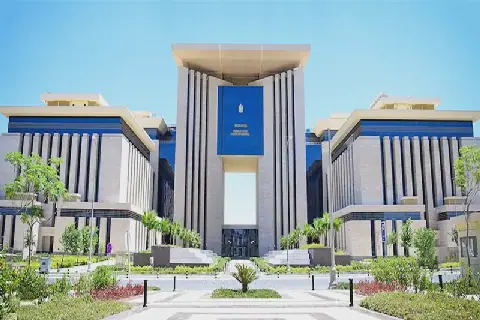
To improve access to healthcare services, particularly in rural areas, a project combining the Tozeur Digital Health Center and the Tunis Digital Hospital aims to leverage telemedicine and artificial intelligence to facilitate breast cancer screening and diagnosis. The initiative seeks to bring healthcare services closer to women in rural areas, utilizing medical imaging technologies and remote expertise to enhance diagnostic capabilities.
The use of telemedicine has already shown promising results, with the Tunis Digital Hospital reporting that it has met 100% of regional hospital needs for CT and MRI scan interpretations since October 1, 2025. Over 120,000 exams have been processed, and plans are underway to expand the service to other regional establishments. By reducing delays in diagnosis and treatment, Tunisia aims to improve breast cancer patient outcomes.
As Tunisia continues to tackle the rising incidence of breast cancer, the country's healthcare sector is focused on promoting early detection, improving access to care, and providing comprehensive support to patients. By addressing the challenges in breast cancer care and leveraging technology to enhance diagnostic capabilities, Tunisia aims to make significant strides in combating this disease.
Key points
- * Early detection and swift care are crucial in improving breast cancer patient outcomes in Tunisia. * The country's healthcare sector is working to address social and financial barriers that can hinder patient care, particularly in rural areas. * Telemedicine and artificial intelligence are being leveraged to facilitate breast cancer screening and diagnosis in rural areas.