East Africa is facing significant challenges in its quest for industrial growth, including limited financing, infrastructure gaps, and low levels of industrialisation. These constraints are hindering the region's ability to move up the value chain and retain more economic value from its natural and agricultural resources. The East African Development Bank (EADB) has identified the need for increased capital mobilisation to address these challenges.
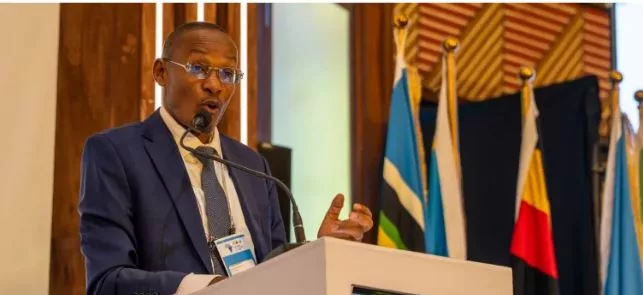
The EADB is seeking stronger partnerships with governments, private investors, and other development finance institutions to crowd in capital for projects capable of transforming the regional economy. Acting Director General Benard Mono emphasised the bank's commitment to co-financing and scaling high-impact investments across East Africa. The EADB has built extensive experience in development financing across the region and established financing structures capable of supporting both large-scale projects and grassroots enterprises.
The EADB's 2024-2028 Strategic Plan identifies industrialisation and manufacturing, particularly through industrial parks, as one of its key focus areas. The bank notes that industrialisation remains low in the region, with many products, especially agricultural commodities, still exported in raw form, limiting the value earned by local economies. To address this, the EADB will support industrialisation through direct financing of private-sector projects as well as wholesale funding to small-industry promotional agencies in member states.
The EADB has already made significant investments in various sectors, including manufacturing, tourism, and agriculture. In manufacturing, the bank has invested over $15 million in projects that have collectively created over 12,000 jobs. One beneficiary is East Africa Medical Vitals, a medical consumables manufacturer and the region's only surgical medical gloves manufacturing plant, producing over 40 million pairs annually.
In addition to industrial financing, the EADB has identified infrastructure as another major constraint to regional economic growth. The bank notes that East Africa still lags in areas including ICT, power, roads, and railways, limiting connectivity and raising the cost of doing business. Under its strategic plan, the EADB intends to support infrastructure that promotes regional connectivity, including through partnerships and public-private partnerships.
The EADB is also prioritising agriculture and agro-processing, social services, renewable energy, transport and logistics, as well as climate-related investments. The bank's strategy is centred on using development finance to attract additional private capital into productive sectors, with the aim of strengthening regional resilience, industrial capacity, and intra- and extra-EAC trade.
Collaboration is critical in closing the region's financing gap, according to Mono. The EADB will work alongside governments, private investors, and development finance institutions to mobilise the capital required to unlock East Africa's investment potential. The bank's interventions have already generated jobs and supported exports across several sectors, and it aims to continue playing a key role in driving regional economic growth.
Key points
- The EADB is seeking stronger partnerships to mobilise capital for projects capable of transforming the regional economy.
- The bank has invested over $15 million in manufacturing projects that have created over 12,000 jobs.
- The EADB's 2024-2028 Strategic Plan identifies industrialisation and manufacturing as key focus areas.