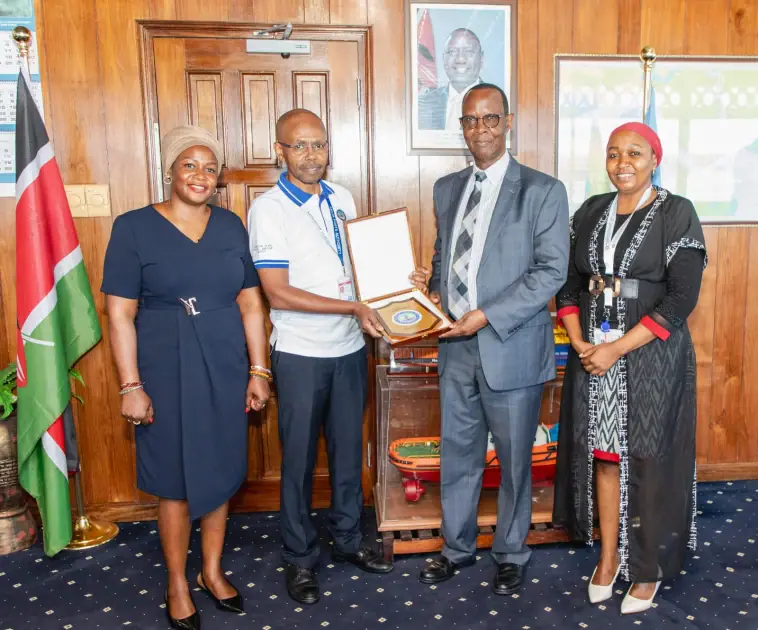
The Ethics and Anti-Corruption Commission (EACC) has initiated an examination of the Kenya Ports Authority (KPA) systems and procedures to identify potential weaknesses that could be exploited for corrupt purposes. This review will assess KPA's policies, internal controls, and operational practices. The EACC aims to recommend corrective measures to seal loopholes and ensure the institution's integrity. The launch took place at KPA headquarters in Mombasa on November 10, 2026.
EACC Commissioner John Ogallo emphasized the significance of the Port of Mombasa as a regional trade gateway, noting that its efficiency directly impacts the movement of goods, the cost of doing business, and economic growth. He stressed that strengthening institutional systems is crucial to match efficient port operations with transparency and accountability. Ogallo believes that an integrity-driven port can facilitate legitimate trade, protect public revenue, and inspire confidence among investors and businesses.
KPA Corporation Secretary and General Manager for Board and Legal Services John Turasha Kinyanjui reaffirmed the Authority's commitment to ethical conduct, stating that integrity should guide its decisions and day-to-day operations beyond mere compliance with laws and regulations. As an institution managing critical national infrastructure and facilitating international trade, KPA has a responsibility to maintain high standards of professionalism, accountability, and public service.
The examination is part of the EACC's preventive anti-corruption strategy, which seeks to identify institutional weaknesses and recommend corrective action before they are exploited. Through this exercise, the EACC will support KPA in strengthening internal controls, addressing corruption vulnerabilities, and promoting integrity in the management of public resources and delivery of services.
The review will help to identify areas where KPA's systems and procedures can be improved to prevent corruption. This will enable the Authority to take proactive measures to address potential weaknesses and ensure that its operations are transparent and accountable. The EACC's involvement is expected to enhance KPA's overall integrity and effectiveness.
The Port of Mombasa plays a critical role in the region's economy, and its efficiency has a direct impact on the movement of goods and economic growth. The EACC's examination of KPA's systems and procedures is a significant step towards ensuring that the institution operates with integrity and transparency. This will help to promote confidence among investors and businesses and ensure that the port continues to facilitate legitimate trade.
The EACC's preventive anti-corruption strategy is crucial in identifying and addressing institutional weaknesses before they can be exploited. By supporting KPA in strengthening its internal controls and promoting integrity, the EACC is helping to ensure that public resources are managed effectively and efficiently. This will have a positive impact on the country's economy and help to promote accountability and transparency in the management of public institutions.
Key points
- The EACC has launched an examination of KPA systems to identify weaknesses that could expose the institution to corruption.