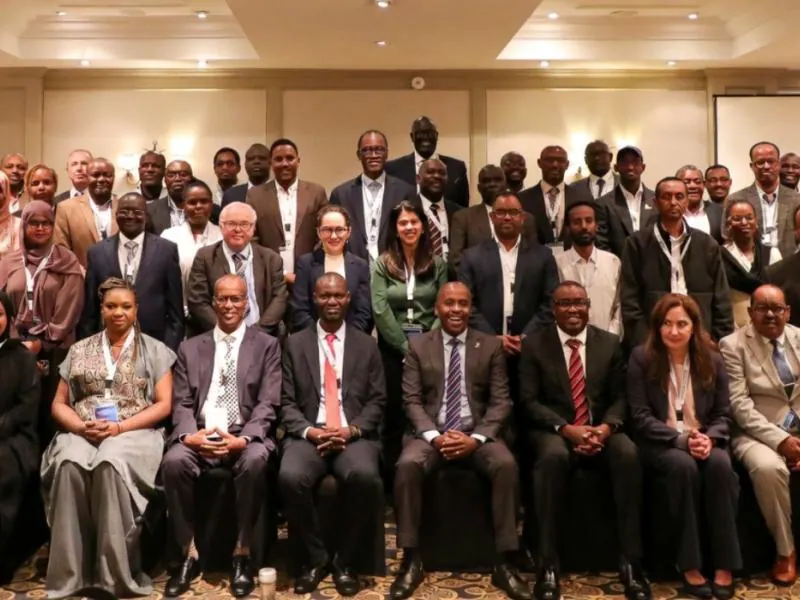
The EAC, comprising member states including the Democratic Republic of the Congo (DRC), recently convened a workshop in Nairobi, Kenya, from September 22 to 24, 2026. The event brought together representatives from Djibouti, Ethiopia, Kenya, Somalia, South Sudan, and the Intergovernmental Authority on Development (IGAD), as well as the World Bank. Discussions focused on enhancing trans-border digital connectivity, policy harmonization, digital public services, cybersecurity, and e-commerce.
A key objective of the workshop was to address the challenges of implementing projects funded by the World Bank, particularly under the Eastern Africa Regional Digital Integration Project (EARDIP). This project aims to develop high-speed internet infrastructure, strengthen regulatory frameworks, and increase digital skills. By doing so, the EAC hopes to improve coordination of investments and create a more secure, inclusive, and trade-friendly regional digital environment.
The EAC's push for enhanced digital connectivity is driven by the need to overcome fragmented national approaches. This fragmentation currently hinders the development of cohesive, interconnected digital infrastructure and services across the region. By fostering greater integration, the EAC aims to create a more conducive environment for digital services and trade.
The workshop's outcomes are expected to contribute to accelerated digital integration and strengthened cooperation among governments, regional institutions, and development partners. In the coming days, participants anticipate a more cohesive approach to digital development, enhancing the region's digital landscape.
The EARDIP project, funded by the World Bank, is a critical component of this effort. By supporting the development of high-speed internet infrastructure, the project aims to bridge the digital divide and promote economic growth. The project also seeks to enhance digital skills, ensuring that citizens and businesses can effectively utilize digital services.
As the EAC moves forward with its digital integration agenda, it is likely to have far-reaching implications for the region. Enhanced digital connectivity can facilitate greater trade, economic growth, and social inclusion. The EAC's efforts to create a more secure, inclusive, and trade-friendly digital environment are expected to yield significant benefits for member states.
The accelerated integration of digital services and infrastructure across the EAC region is anticipated to have a positive impact on economic development and cooperation among member states. As digital connectivity improves, citizens and businesses will be better equipped to participate in the digital economy, driving growth and development.
Key points
- The EAC is working to overcome fragmented national approaches to digital development.
- The Eastern Africa Regional Digital Integration Project (EARDIP) is a key component of this effort.
- Enhanced digital connectivity is expected to drive economic growth, trade, and social inclusion across the region.