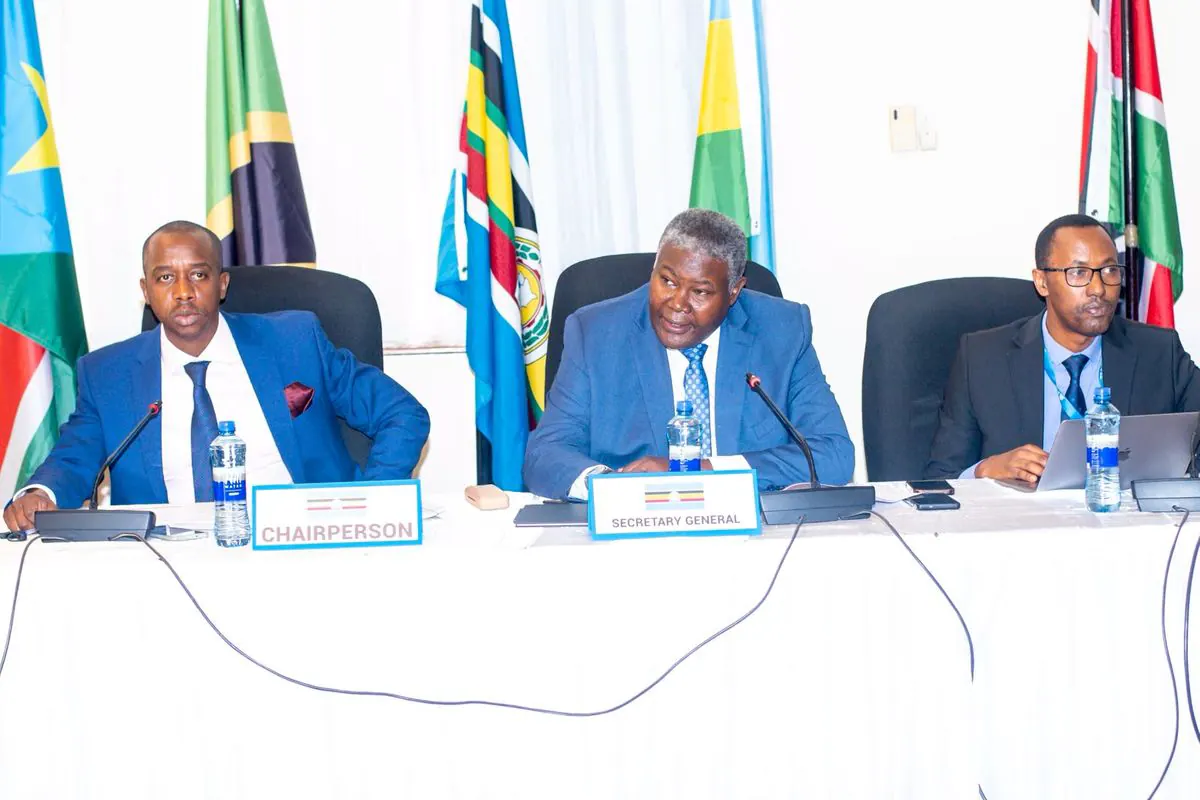
East African Community (EAC) health ministers have agreed on new regional measures to prevent, detect and rapidly respond to disease outbreaks crossing national borders. The agreement was made at the 26th Ordinary Meeting of the EAC Sectoral Council of Ministers responsible for Health, held in Arusha. The meeting comes after Kenya confirmed its first imported case of Bundibugyo Ebola virus disease on October 6. A Kenyan national had contracted the disease while living in the Democratic Republic of Congo (DRC) and later died in Nairobi.
The EAC Sectoral Council of Ministers responsible for Health reviewed several regional health programmes, including a framework for monitoring health-related decisions and the EAC Joint Medical Supplies Procurement System. According to the EAC statement issued on Thursday, October 8, 2026, the chairperson of the council, Dr Ayume Charles, who represented Uganda’s Health Minister, said health challenges did not respect national borders, making regional cooperation essential to building resilient health systems. Dr Ayume emphasised the importance of strengthening and investing in local manufacturing of medical supplies to reduce dependence on imports.
The council noted progress in implementing the joint procurement system, with all eight EAC member states onboarded and trained to use the digital platform. The system aims to improve access to medicines, vaccines and other essential medical supplies while supporting regional production. The ministers also stressed the importance of timely sharing of health information through digital systems to strengthen disease surveillance and accountability. A new regional system for sharing information on health emergencies and disease outbreaks will support evidence-based decision-making and enable countries to respond more quickly to emerging threats.
To strengthen early disease detection, the EAC has established a network of 10 mobile laboratories in seven member states, strategically positioned in border and other high-risk areas. The laboratories have supported responses to Ebola, Marburg, Covid-19 and Mpox outbreaks. The EAC plans to expand the network from the current 10 mobile laboratories to 34 by the end of 2027. This move is expected to enhance the region's ability to detect and respond to disease outbreaks promptly.
The ministers also reviewed progress in establishing EAC Centres of Excellence for medical education, specialised healthcare and research. Among the proposals discussed was the establishment of an EAC Centre of Excellence for Climate Change and Health in South Sudan. The meeting also discussed resource mobilisation for newly established centres in Tanzania focusing on organ transplantation, blood diseases, and oral and dental health sciences.
EAC Secretary-General Ambassador Stephen Mbundi called for continued investment in surveillance and early-detection systems to protect the region’s economies, communities and integration agenda. The regional focus comes as the DRC continues to respond to an outbreak of Bundibugyo virus disease, while Uganda ended its latest outbreak in August after reporting cases linked largely to imported infections from the DRC.
The World Health Organisation has called for rapid and coordinated action to prevent further spread of the disease. The EAC's new strategy to curb cross-border disease outbreaks aims to enhance regional cooperation and coordination in responding to health emergencies. Key initiatives include strengthening local manufacturing of medical supplies, expanding the network of mobile laboratories and establishing centres of excellence for medical education and research.
Key points
- EAC health ministers agree on new regional measures to prevent and respond to disease outbreaks crossing national borders.
- The EAC plans to expand its network of mobile laboratories from 10 to 34 by the end of 2027.
- The new strategy aims to enhance regional cooperation and coordination in responding to health emergencies.