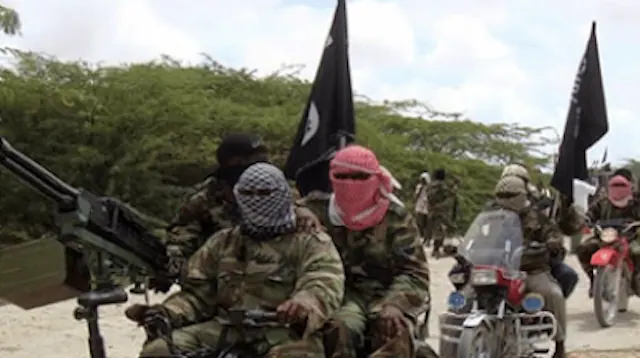
The Federal Government of Nigeria has stated that its electric mobility initiatives in the North-East are effectively denying insurgents access to materials used in fabricating Improvised Explosive Devices (IEDs). Minister of State for Regional Development, Uba Ahmadu, revealed this in an interview with the News Agency of Nigeria (NAN) on Sunday in Abuja. According to Ahmadu, the North-East Development Commission (NEDC) procured 3,700 electric tricycles to transport passengers and convey farm produce from remote communities to markets.
The electric tricycle initiative aims to ease transportation difficulties, restore economic activities, and alleviate the suffering of residents displaced by insurgency. Ahmadu explained that insurgents typically use petroleum products and chemicals like fertilisers to devise their IEDs. By deploying electric vehicles, the government hopes to reduce dependence on petroleum products in affected areas and limit insurgents' access to materials used in making bombs and IEDs.
The NEDC's electric mobility project is part of a broader effort to promote renewable energy in the country. Ahmadu noted that the project would generate carbon credits, describing it as a novel renewable energy initiative in Nigeria. In addition to the electric tricycles, the commission has procured 285 electric taxis for deployment across the North-East. The NEDC is also concluding the construction of charging stations across the states, with commissioning expected within 10 days.
The charging stations will create employment opportunities for youths through revenue collection, vehicle charging, and other commercial activities. The facilities will encourage residents to adopt electric and solar-powered transportation options by providing commercially operated charging infrastructure. This move is expected to support the growth of a green economy in the region.
To further address insecurity in the North-East, the NEDC has developed a Central Surveillance Security System. This system will monitor highways, motor parks, markets, schools, and other public areas round the clock to gather security information. The main purpose of this project is to gather information, data, and movements, and deploy them to security agencies responsible for taking action.
The NEDC will share intelligence with relevant agencies, including the Nigerian Air Force, the Office of the National Security Adviser, the police, and the Department of State Services. While the commission will not directly undertake security operations, it will provide information to agencies mandated to respond to threats. Ahmadu emphasized that the security of lives and properties is the first responsibility of government and that they are dealing with the issue very seriously.
The combined deployment of electric mobility and surveillance infrastructure is expected to strengthen security, support economic recovery, and improve the quality of life for residents across the North-East. The initiatives aim to address the root causes of insurgency and promote sustainable development in the region. With these efforts, the government hopes to bring relief to communities affected by insurgency and promote a safer, more prosperous future.
Key points
- The electric mobility initiatives in Nigeria's North-East have procured 3,700 electric tricycles and 285 electric taxis to reduce dependence on petroleum products.
- The NEDC's Central Surveillance Security System will monitor public areas to gather security information and share intelligence with relevant agencies.
- The initiatives aim to strengthen security, support economic recovery, and improve the quality of life for residents across the North-East.