Located over 50 kilometers from Dubréka's center, Falessadé is grappling with significant access difficulties. The area's road network is severely degraded, and a vital ferry on the Badi Kiri River has broken down. This situation hampers daily life and the evacuation of agricultural products. Residents face challenges in both commuting and economic activities due to poor road conditions, especially during the rainy season.
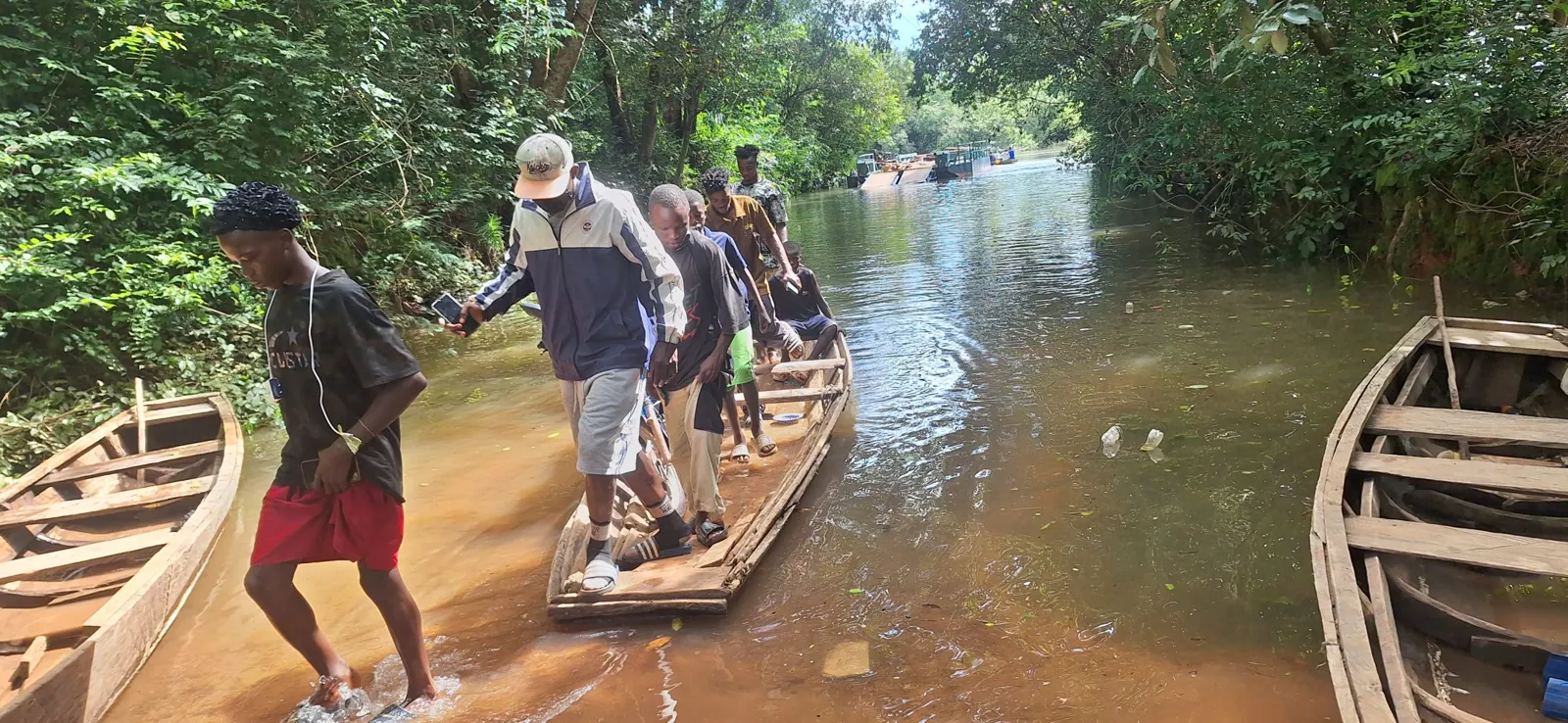
The road connecting Falessadé to other localities is in poor condition, making travel extremely difficult. The ferry's breakdown has further exacerbated the issue, forcing people to rely on pirogues to cross the river. The mayor of Falessadé believes that constructing a bridge would address one of the locality's main problems. This challenge is particularly pronounced during harvest seasons when transporting crops like rice and peanuts becomes complicated.
Women in Falessadé face unique difficulties, particularly with medical evacuations. The president of Falessadé's women's association notes that emergencies, including those involving pregnant women, can become critical when crossing the river is necessary. The lack of electricity is another significant concern, affecting the functionality of communal services and equipment. As a result, residents must travel to Dubréka for certain administrative tasks.
The absence of basic infrastructure, including a dedicated police and gendarmerie station, further compounds the challenges faced by Falessadé. Currently, these services share a room provided by the commune. Additionally, local youth lack a communal stadium, with sports activities taking place on the primary school's field. These shortcomings highlight the need for improved infrastructure to support the community's development.
The president of the youth in Falessadé emphasizes the urgent need for road improvements, ferry repairs, and, most importantly, the construction of a bridge over the Badi Kiri River. These demands are crucial for Falessadé, a significant agricultural and livestock producer that supplies other areas in Dubréka. The community's growth and contribution to the region's food supply are hindered by the current state of isolation and infrastructure deficiencies.
Given the scale of needs and the commune's limited resources, the mayor is calling on state authorities to intervene. The primary expectation of the population is the de-isolation of Falessadé through better access roads, bridge construction, ferry repair, and the enhancement of basic infrastructure. Addressing these challenges is seen as vital to unlocking the locality's potential and improving the quality of life for its residents.
The situation in Falessadé underscores the importance of targeted investments in infrastructure to support economic development and public services in rural areas. With the right interventions, Falessadé could overcome its current challenges and become a thriving contributor to Guinea's agricultural sector. The local community remains hopeful that their concerns will be addressed, leading to tangible improvements in their daily lives and economic prospects.
Key points
- The lack of a bridge over the Badi Kiri River significantly hampers the transportation of agricultural products and access to essential services.
- Falessadé's agricultural production is crucial to the Dubréka region, making infrastructure improvements vital for food supply and economic growth.
- The community is calling for urgent intervention from state authorities to address the pressing issues of road degradation, ferry breakdown, and lack of basic infrastructure.