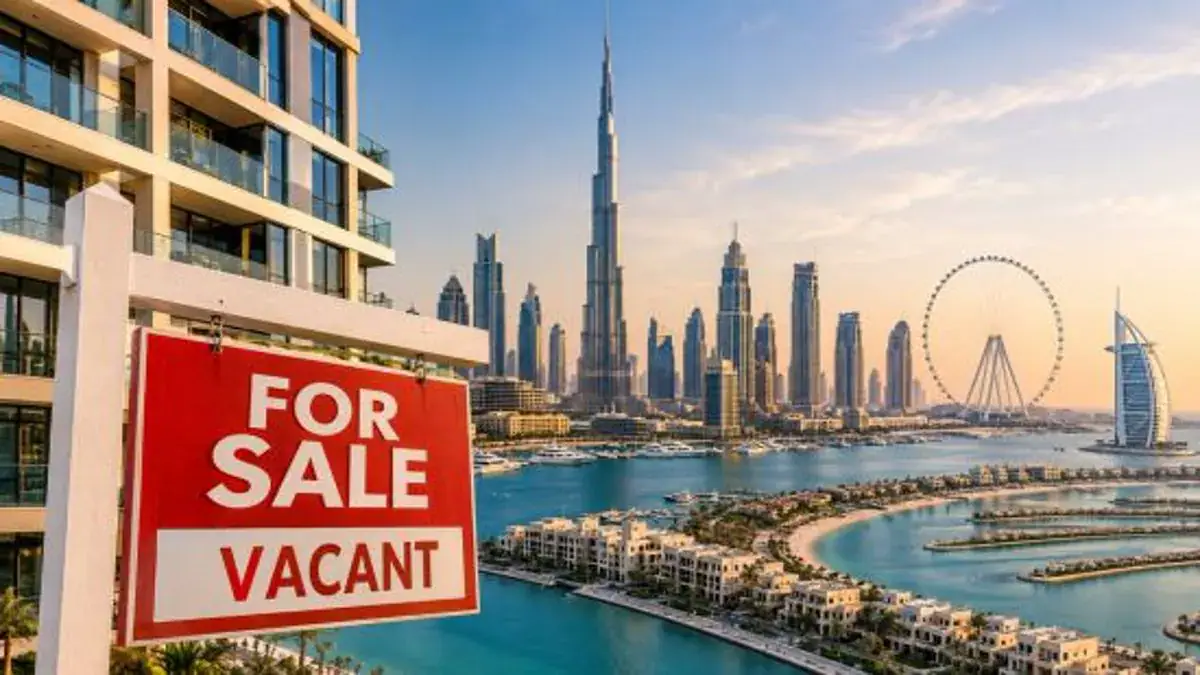
Dubai, known for its iconic skyline and luxury developments, is facing a new reality in its real estate market. After years of rapid expansion and construction, the emirate is now dealing with the consequences of oversupply, with many high-end buildings and apartments struggling to find tenants or buyers. This shift has sparked concerns about the long-term viability of Dubai's growth model, which has long relied on attracting investors and residents through large-scale projects.
The statistics are telling, with estimates suggesting that around 28% of luxury villas in Palm Jumeirah may be vacant, despite their high value. This oversupply is not limited to residential properties, with reports of empty office spaces and floors in some of the city's newest skyscrapers. The challenge now is for Dubai to balance its supply of luxury properties with actual demand, ensuring that its investments in real estate remain sustainable and profitable.
The city's tourism sector, a key driver of its economy, is also feeling the effects of oversupply. While Dubai's malls and attractions continue to draw large crowds, the spending power of these visitors is not always translating into significant revenue. Even some of Dubai's most famous landmarks, such as the Dubai Eye, have faced periods of closure and struggled to maintain visitor numbers.
The hotel industry, another crucial part of Dubai's economy, is under pressure to maintain occupancy rates. Luxury hotels like the Armani Hotel Dubai, located in the Burj Khalifa, have reportedly struggled with low occupancy rates, despite offering high-end services and rooms priced at up to $15,000 per night. These challenges highlight the difficulties of maintaining profitability in the face of oversupply and changing market conditions.
As Dubai looks to the future, questions are being raised about the sustainability of its growth model. While the city has long promoted itself as a hub for business, investment, and tourism, some investors are beginning to reevaluate its attractiveness. Factors such as the city's harsh climate and limited natural attractions may be deterring some investors, who are seeking more sustainable and environmentally friendly opportunities.
The need for a new approach is clear, with a focus on balancing supply and demand, and ensuring that investments in real estate are sustainable and profitable. This may require a shift away from the "build it and they will come" approach that has driven Dubai's growth for so long, towards a more nuanced understanding of market needs and trends.
Ultimately, Dubai's future success will depend on its ability to adapt to changing market conditions and investor sentiment. By prioritizing sustainability, environmental considerations, and a more balanced approach to growth, the city can ensure that its real estate market remains a vibrant and profitable sector for years to come.
Key points
- Dubai's luxury real estate market is facing challenges due to oversupply and changing investor sentiment.
- The city's growth model, which has long relied on large-scale projects, may need to be reevaluated to prioritize sustainability and environmental considerations.
- A more balanced approach to growth, focusing on supply and demand, is necessary to ensure the long-term viability of Dubai's real estate market.
Reporting sources
- دبي: حين يتحول هوس البناء إلى أزمة شغور عقاري · Al-Massaa