A severe drought has hit the Sirtoni camp for internally displaced persons in North Darfur, Sudan, leading to the deaths of livestock and concerns over the failure of the agricultural season. The camp, located in the Kabkabiya locality, is home to over 10,000 displaced individuals, mostly from the city of El Fasher. The drought has had a devastating impact on the region's agricultural sector, with crops failing to grow due to limited and irregular rainfall.
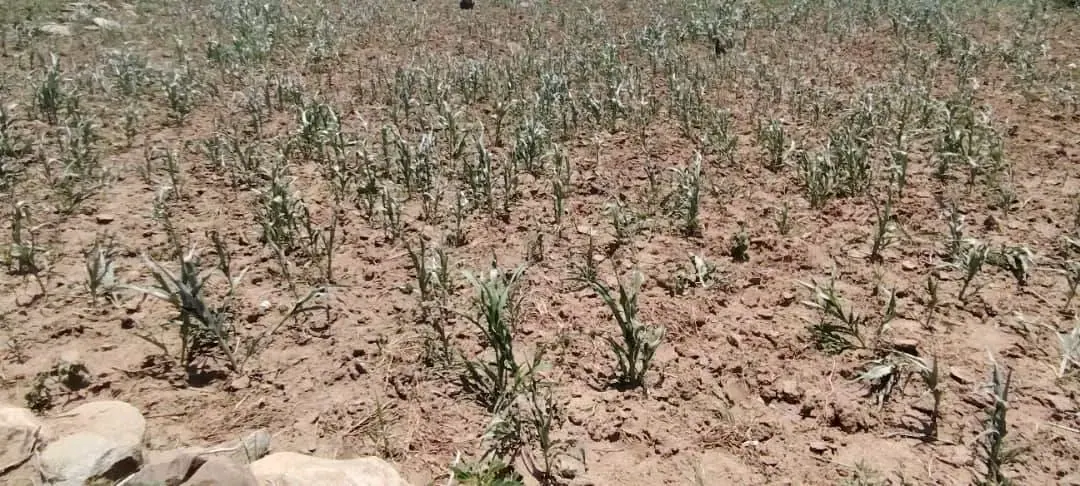
According to Adam Mohamed, a resident of the camp, the crops have not grown beyond a few inches, despite the fact that the autumn season is almost over. He stated that the success rate of the agricultural season is no more than 15%. The limited rainfall has also led to a shortage of animal feed, with the price of corn reaching 36,000 Sudanese pounds. The region's isolation and lack of infrastructure have exacerbated the crisis.
The Sirtoni camp is located in a mountainous region, which limits the available land for agriculture. This has resulted in a significant reduction in the area under cultivation. The irregular rainfall has also had a negative impact on crop growth, with long periods of drought between rainfall events. In August, there were periods of no rainfall at all.
The drought has had a severe impact on the local population, with many residents relying on livestock and agriculture for their livelihoods. The lack of humanitarian assistance has further exacerbated the crisis, with many calling for urgent aid to prevent a famine. The region's vulnerability to drought and conflict has made it a priority for humanitarian organizations.
Adam Mohamed has issued an urgent appeal to humanitarian organizations and individuals to provide assistance to the affected communities. He warned that if urgent action is not taken, the region may face a severe food crisis. The situation is further complicated by the region's history of conflict and displacement.
The drought in North Darfur has highlighted the need for sustainable solutions to address the region's vulnerability to climate change. The Sudanese government and humanitarian organizations must work together to provide emergency assistance and long-term solutions to address the root causes of the crisis.
The situation in Sirtoni camp is a stark reminder of the impact of climate change on vulnerable communities. The international community must provide urgent assistance to prevent a humanitarian crisis and support sustainable development in the region.
Key points
- The drought in North Darfur has caused widespread livestock deaths and threatens the region's agricultural season.
- The crisis has been exacerbated by the region's isolation, lack of infrastructure, and limited humanitarian assistance.
- Urgent action is needed to prevent a famine and support sustainable development in the region.