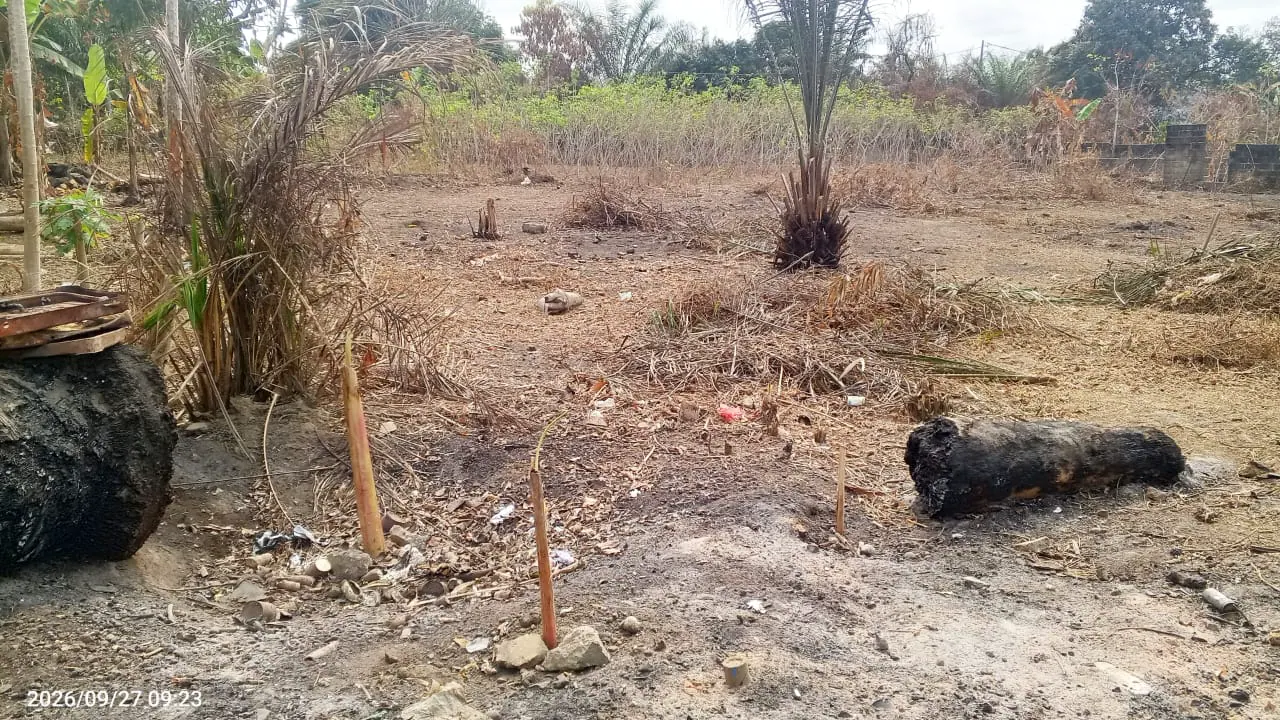
Tchibanga, the capital of Gabon's Nyanga province, is experiencing a severe drought, with no significant rainfall recorded since the start of September. The Agence gabonaise de presse reported that despite high temperatures, the city is yet to see substantial precipitation. This has raised concerns among residents, who are accustomed to the region's rainy season during this time of year. The absence of rain has resulted in cracked and dry soil, affecting daily life and agricultural activities.
The drought is not limited to Tchibanga, as several rural areas in the Nyanga province are also experiencing similar conditions. However, some areas in the Basse-Banio department, such as Mayumba, Panga, and Mougagara, have reported intermittent, weak precipitation. Jean Christian Nguimbi, a local teacher, acknowledged that the region is entering a period of intense heat, but the delayed rains are causing concern. The drought has disrupted the usual weather patterns, which typically see the first rains in September after a major rainy season in May.
The delayed rainfall has significant implications for farmers, who had planted seeds in anticipation of the September rains. Patrick Nziengui, a farmer from the village of Louango, expressed worries that many farmers may incur substantial losses due to the lack of rain. With plants already in the ground, the absence of precipitation is threatening the livelihoods of those dependent on agriculture. The situation is further complicated by the presence of elephants, which frequently encroach on plantations, prompting some residents to create domestic agricultural gardens.
In Tchibanga, domestic agricultural gardens are becoming increasingly common, as residents seek to minimize travel to peripheral plantations and reduce the risk of elephant incursions. These gardens, often located in courtyards or behind homes, are being used to grow crops such as cassava and plantains. While some residents have prepared their land for planting, others are waiting for the first rains to begin. Hortense Ignounga, a retired agricultural agent, explained that she is preparing her garden but will only plant once the rains arrive, as her crops would otherwise wither and die without water.
The drought in Tchibanga and surrounding areas is part of a larger trend of disrupted precipitation patterns in the region. Over the past few years, the area has experienced irregular rainfall, which is attributed to climate change. The delayed start to the rainy season is causing concern among residents, farmers, and local authorities, who are monitoring the situation closely. The region's agricultural sector, which is a significant contributor to the local economy, is likely to be severely impacted by the drought.
The effects of the drought are being felt beyond agriculture, as the lack of rainfall has a broader impact on the environment and daily life. Residents are having to adapt to the changing weather patterns, which are becoming increasingly unpredictable. The situation in Tchibanga and the Nyanga province highlights the vulnerability of communities to climate-related shocks and the need for sustainable solutions to mitigate the effects of drought and other extreme weather events.
As the drought continues to affect Tchibanga and surrounding areas, residents and farmers are hoping for an early return to normal rainfall patterns. The local authorities and agricultural experts are working to assess the situation and provide support to those affected. The drought in Gabon's Nyanga province serves as a reminder of the importance of climate resilience and the need for proactive measures to address the challenges posed by climate change.
Key points
- The drought in Tchibanga and the Nyanga province is attributed to disrupted precipitation patterns caused by climate change.
- The delayed rainfall has significant implications for farmers, who had planted seeds in anticipation of the September rains.
- Residents are adapting to the changing weather patterns by creating domestic agricultural gardens to minimize the risks associated with peripheral plantations.