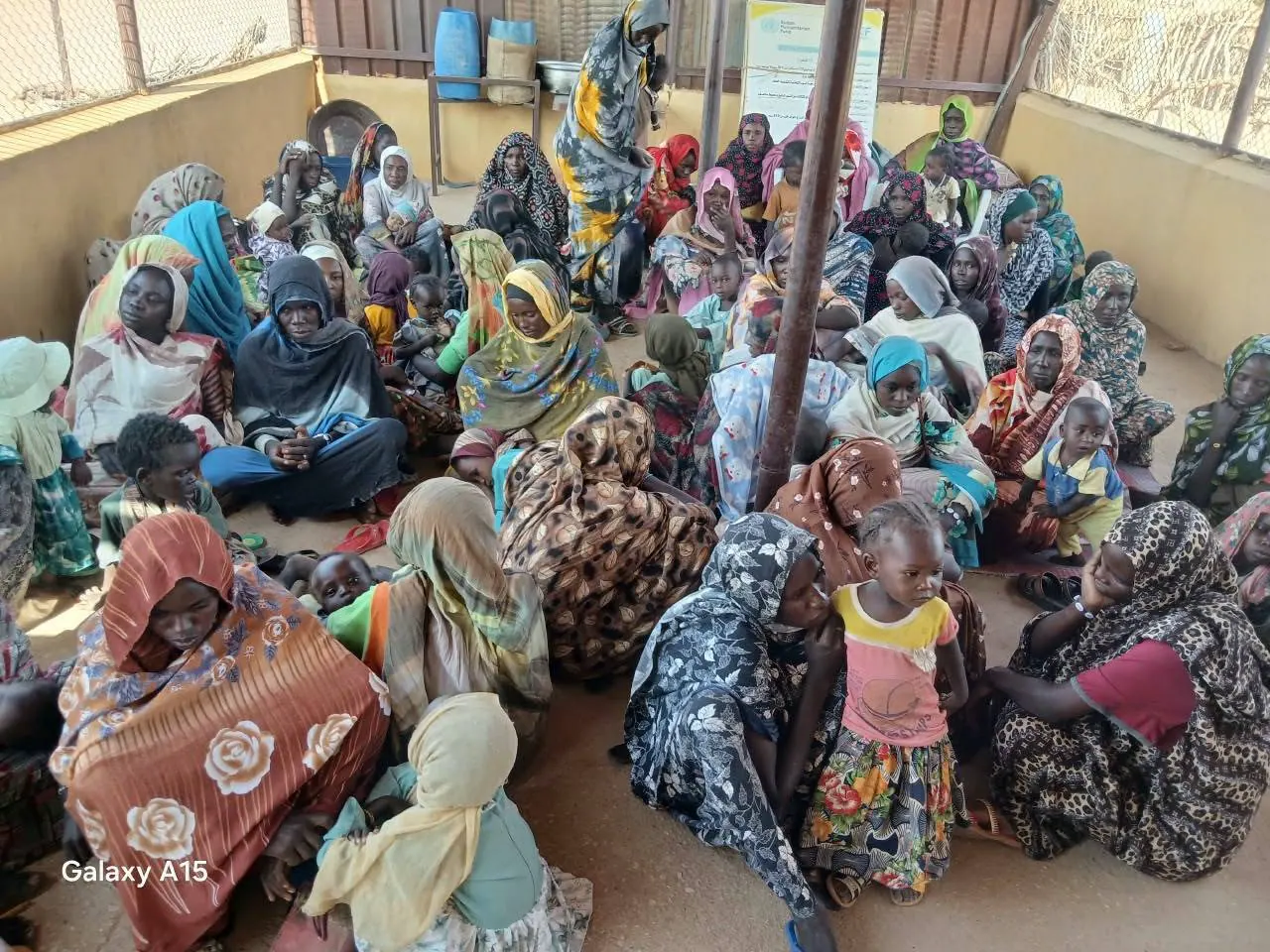
The Jebel Isa area in North Darfur's Malha locality is experiencing a severe economic and living crisis, exacerbated by drought, limited food production, and high prices of essential goods. With limited income sources and reduced purchasing power, residents are struggling to cope. The situation is dire, with most residents relying on sorghum and corn, which are in short supply due to poor rainfall and reduced agricultural production.
The price of sorghum has skyrocketed, with a sack costing between 500,000 and 600,000 Sudanese pounds, depending on the payment method. The price difference is notable when paying in cash versus using the bankk service. A quarter sack of sorghum costs around 80,000 pounds, while a quarter sack of corn goes for approximately 75,000 pounds. This has led to increased reliance on these staple foods, as the price of bread and flour has also surged, with a small loaf costing around 1,000 pounds.
The prices of other essential goods have also risen sharply. A 50-kilogram sack of sugar costs between 485,000 and 500,000 pounds, while a pound of sugar sells for between 5,000 and 7,000 pounds. A Jerry can of oil costs between 300,000 and 330,000 pounds, and a single bottle goes for 12,000 to 15,000 pounds. Furthermore, the price of rice varies, ranging from 17,000 pounds per kilogram for cash payments to 23,000 pounds per kilogram when using bankk.
The crisis extends beyond high prices, as income sources for residents have also been affected by the drought. With a lack of government and non-governmental institutions and formal employment opportunities in the area, most residents rely on agriculture, livestock, and traditional activities for income. However, the drought has directly impacted these activities, reducing their effectiveness as income sources.
The value of livestock in markets has decreased, making it difficult for residents to earn enough to purchase basic necessities. The prices of animals are low compared to the cost of food, resulting in reduced purchasing power for families. As a resident noted, selling a sheep or goat does not generate enough income to buy even a quarter sack of sorghum or corn, making it challenging for families to meet their needs.
The drought has also disrupted the agricultural season, with farmers unable to plant their crops so far. In previous years, residents would have completed planting by this time and were awaiting harvest. The reduced agricultural production, combined with limited income sources, has contributed to the continuous rise in food prices and worsening living conditions.
The situation in Jebel Isa and surrounding areas of Malha locality is dire, with residents warning that continued drought, price hikes, and reduced income sources may further exacerbate economic pressures on citizens who rely on limited and unstable resources to meet their daily needs.
Key points
- Drought and high food prices have worsened living conditions in North Darfur's Jebel Isa.
- Limited income sources and reduced purchasing power have exacerbated the crisis.
- The situation may further deteriorate if the drought and economic pressures persist.