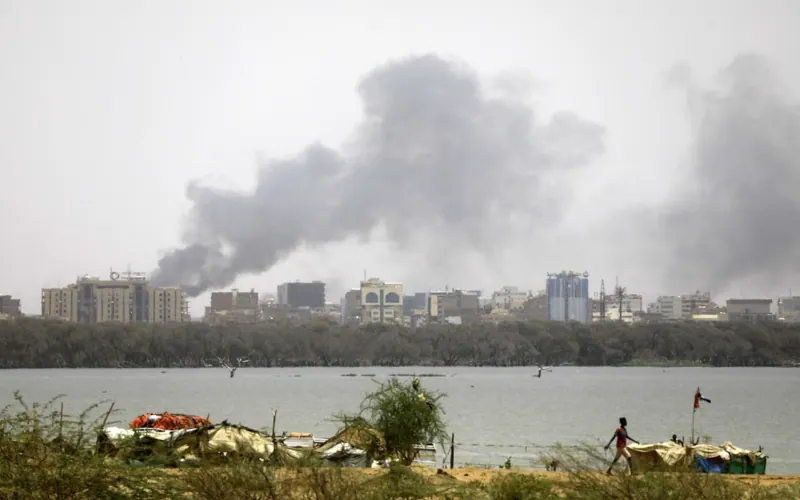
A devastating drone strike hit a student dormitory at Kordofan University in El Obeid on October 1, resulting in the deaths of five civilians and injuring 47 others. The Sudan Doctors Network, a medical aid group, reported the incident and attributed responsibility to the Rapid Support Forces (RSF). The attack has been widely condemned as part of an ongoing pattern of violence against civilians and civilian infrastructure across Sudan.
The Sudan Doctors Network strongly condemned the targeting of a student residence, urging the United Nations and humanitarian agencies to denounce such attacks, support medical care for the injured, and seek accountability. The organization emphasized that striking educational facilities breaches international humanitarian law and puts civilian lives at grave risk. The incident has sparked widespread concern about the safety of civilians in the region.
This is not an isolated incident, as North Kordofan authorities have recently accused the RSF of carrying out drone strikes on other civilian sites in El Obeid, including a sports complex and Shikan University College earlier in the week. The RSF has been involved in a broader rise in drone use across Sudan, with the UN Human Rights Office reporting that both the RSF and the Sudanese army have increased long-range drone operations that hit civilian areas far from front lines.
The UN Human Rights Office has documented a significant increase in drone attacks in El Obeid, which have damaged essential services, disrupting electricity, fuel, water, health care, and transport for the local population. The impact of these attacks has been severe, with civilians bearing the brunt of the violence. The UN has expressed concern about the humanitarian situation in the region and has called for an immediate cessation of hostilities.
The conflict in Kordofan has intensified, with both the RSF and Sudanese army contesting control of key towns and road networks. The violence has resulted in significant human suffering, with the UN Human Rights Office recording at least 1,120 civilian deaths from drone strikes nationwide between January and June this year. Civilians have accounted for 80 percent of those fatalities, highlighting the need for urgent action to protect vulnerable populations.
The international community has been urged to take action to address the crisis in Sudan. The Sudan Doctors Network has called on the UN and humanitarian agencies to provide support to victims of the conflict and to work towards holding those responsible for the violence accountable. The incident has sparked widespread condemnation, and there are growing calls for an investigation into the circumstances surrounding the drone strike.
The situation in Sudan remains volatile, with ongoing fighting and humanitarian concerns. The UN and other international organizations are working to address the crisis, but more needs to be done to protect civilians and prevent further violence. The incident at Kordofan University serves as a stark reminder of the devastating impact of conflict on vulnerable populations.
Key points
- Five civilians were killed and 47 injured in a drone strike on a Kordofan University dormitory in El Obeid on October 1.
- The Sudan Doctors Network blamed the Rapid Support Forces for the attack, which has been condemned as part of an ongoing pattern of violence against civilians and civilian infrastructure.
- The conflict in Kordofan has resulted in significant human suffering, with at least 1,120 civilian deaths from drone strikes nationwide between January and June this year.