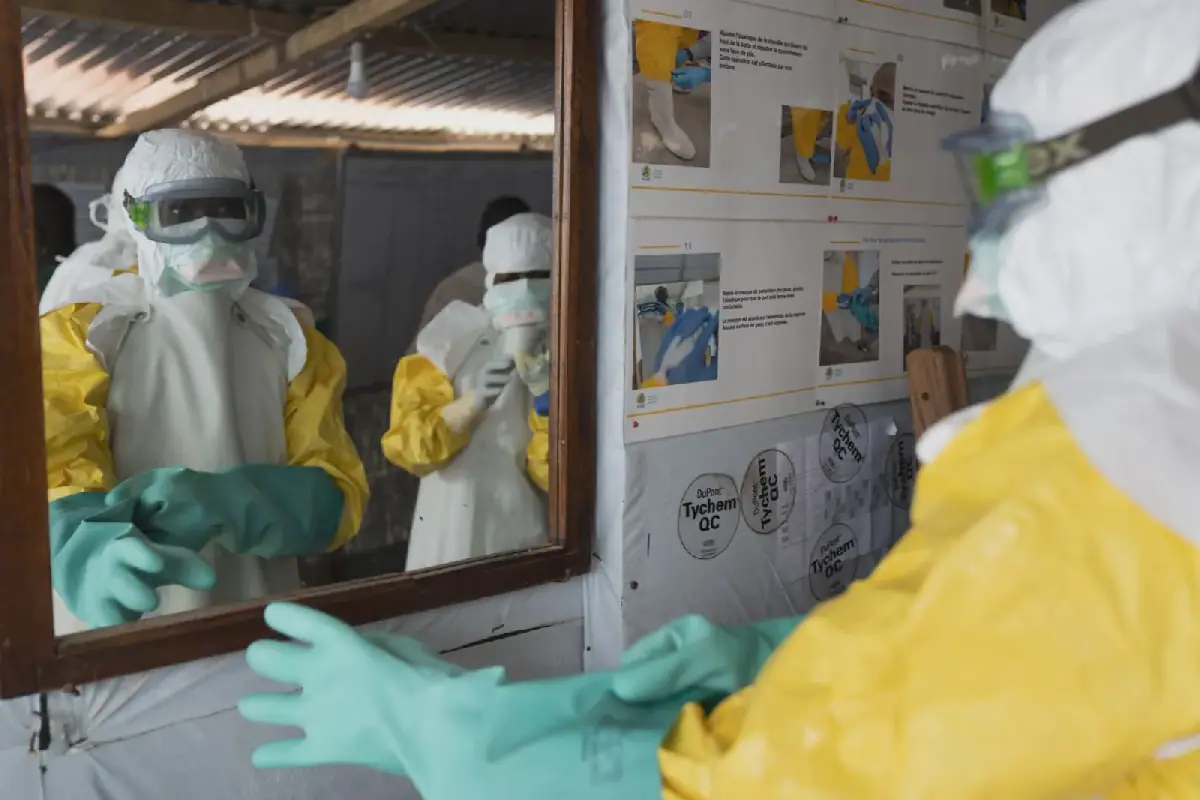
The Democratic Republic of Congo is experiencing its largest Ebola outbreak in history, with 10,668 confirmed cases and 5,198 deaths reported as of November 3, 2026. The outbreak, caused by the Bundibugyo virus, has spread across 67 health zones in eight provinces, with active transmission continuing in 51 health zones. According to the World Health Organisation, the country has also recorded 2,881 recoveries.
The outbreak has been ongoing since May 15, 2026, and has affected five countries: DRC, France, Kenya, Nigeria, and Uganda. However, the outbreaks in France and Uganda have been brought under control since August, while Kenya and Nigeria continue their response efforts. The WHO reported that no new cases had been reported in Kenya or Nigeria since its previous update of October 23.
The WHO expressed concern over the high number of deaths occurring outside treatment centres, particularly among young children. Of the 512 deaths reported in the DRC since October 21, 335 occurred in communities, while 177 were recorded in treatment centres. The organisation highlighted the difficulties in identifying cases early and ensuring patients receive timely medical care.
The outbreak remains concentrated in Ituri and North Kivu provinces, which account for most confirmed cases and deaths. Ituri has recorded 7,485 cases and 3,532 deaths, while North Kivu has reported 2,593 cases and 1,422 deaths. The WHO noted that 1,463 new confirmed cases were recorded across the DRC in the 21 days leading up to November 3.
In Nigeria, one laboratory-confirmed imported case of Bundibugyo virus disease was reported in the Federal Capital Territory on October 20. The patient was medically evacuated to Switzerland on October 26 and remains in isolation while receiving medical care in Geneva. As of November 3, 62 contacts had been identified in Nigeria, with six completing the mandatory 21-day follow-up period.
The Nigeria Centre for Disease Control and Prevention confirmed that six contacts had completed their follow-up, while 56 remained under monitoring. The agency reported no newly identified contacts or symptomatic contacts during the preceding 24 hours. The WHO said Nigerian authorities, with support from the organisation and other partners, had intensified contact tracing, case investigations, and infection prevention measures.
Investigations are ongoing to establish the likely source of the infection and reconstruct the patient's travel and exposure history. The WHO noted that controlling the outbreak depends on early identification and isolation of cases, medical care, contact tracing, safe burial practices, and community engagement. Bundibugyo virus disease is a severe form of Ebola disease caused by the Bundibugyo virus, which can spread from animals to humans.
Key points
- The DRC has recorded 10,668 confirmed cases and 5,198 deaths as of November 3, 2026.
- The outbreak has spread across 67 health zones in eight provinces, with active transmission continuing in 51 health zones.
- The WHO expressed concern over the high number of deaths occurring outside treatment centres, particularly among young children.