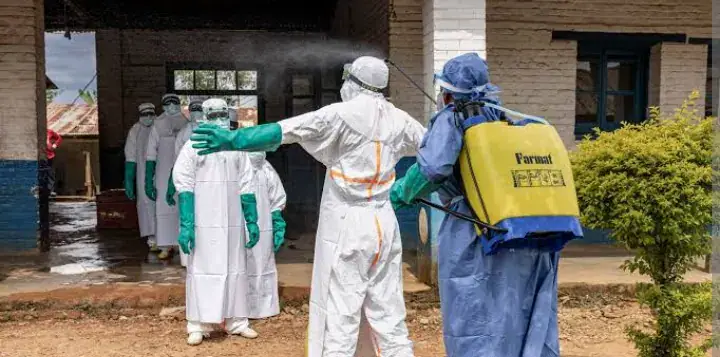
The World Health Organisation (WHO) has announced that most of the early epicentres of the Ebola outbreak in the Democratic Republic of the Congo (DRC) have been successfully brought under control. Six months into the outbreak, around 3,000 people have recovered from the disease. The UN health agency stated that rapid transmission had been halted in areas such as Mongbwalu, Nyankunde, Nizi, Rwampara, and Butembo.
According to the WHO, even in Bunia, one of the larger early epicentres, the number of new cases has halved, and treatment centres are reporting low occupancy. The agency has attributed this success to the growth in diagnostic capacity, which has increased from two laboratories to more than two dozen. Additionally, close to 2,000 treatment beds are now available in 104 treatment and transit centres.
The WHO has also reported that around 3000 people have recovered from Ebola, and a quarter of those have enrolled in the survivor programme. This programme aims to provide support and care to individuals who have recovered from the disease. The agency has also trained and provided supplies to over 17,000 community health workers and 46,000 community actors to safely carry out their jobs.
Health teams are implementing targeted strategies to support women and children, including by keeping maternal health services running. This is crucial in preventing the spread of the disease and ensuring that vulnerable populations receive the care they need. The WHO has also noted that nearly one million households have received information and support to prevent the spread of Ebola.
The control of the Ebola outbreak in the DRC is a significant achievement, particularly given the challenges of responding to the disease in a conflict-affected area. The WHO has been working closely with the DRC government and other partners to respond to the outbreak, including providing technical assistance, supplies, and support to affected communities.
The success in controlling the Ebola outbreak in the DRC is a testament to the efforts of healthcare workers, community leaders, and other stakeholders who have been working tirelessly to respond to the crisis. The WHO has emphasized the importance of continued vigilance and support to ensure that the outbreak is fully contained and that affected communities can recover.
The WHO's efforts to control the Ebola outbreak in the DRC are ongoing, with a focus on sustaining the response and supporting affected communities to recover. The agency is working closely with the DRC government and other partners to ensure that the response is coordinated and effective.
Key points
- The WHO reports that most Ebola outbreak epicentres in DRC have been controlled, with 3,000 people recovered six months into the outbreak.
Reporting sources
- DRC’s Ebola epicentres under control as 3,000 people recovered – WHO · Daily Intel Newspaper