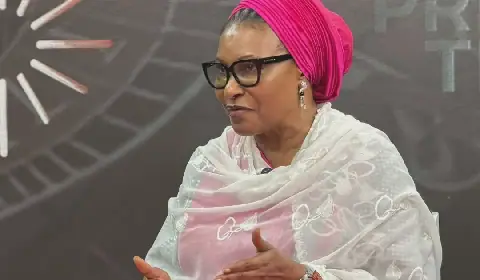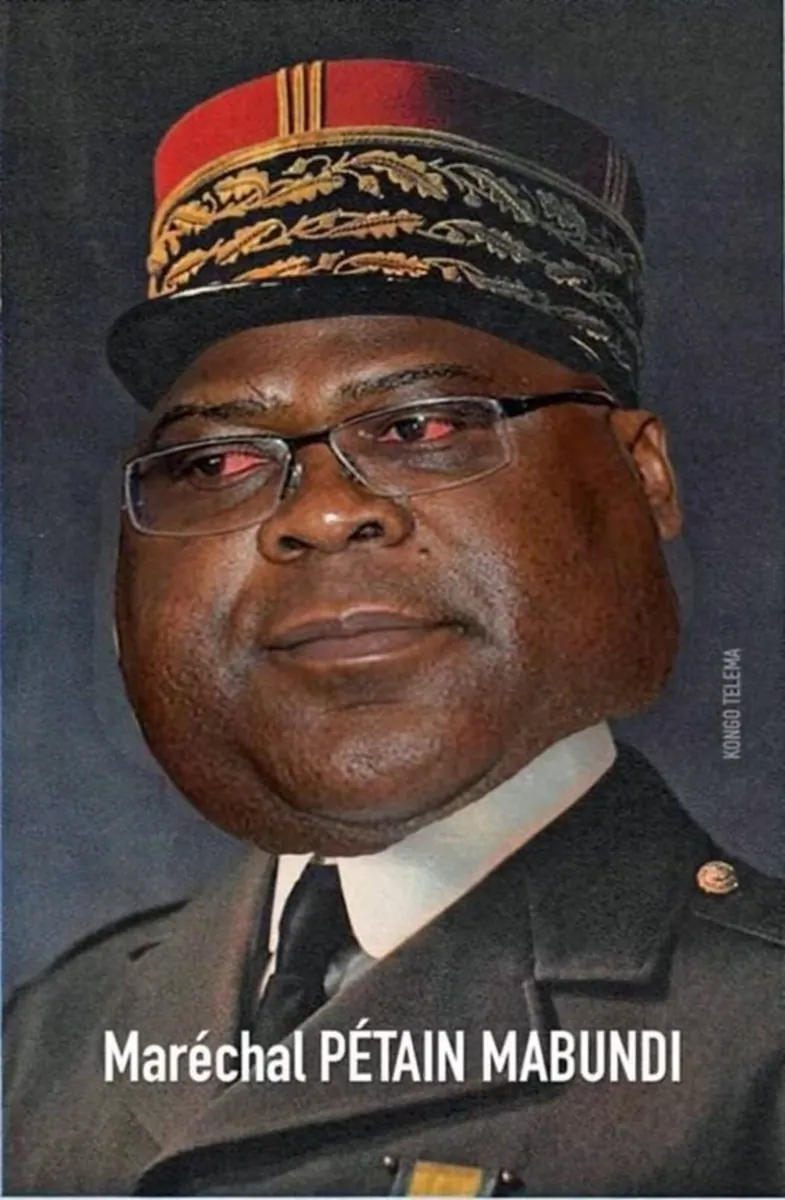
The 81st United Nations General Assembly is currently underway in New York, bringing together world leaders, foreign ministers, and seasoned diplomats. However, President Fatsi Tshivube of the Democratic Republic of the Congo has been denied a US visa, preventing him from attending the assembly. According to reports, the US President Donald Trump has instead invited Judith Suminwa, the Prime Minister of the DRC.
The denial of the visa has sparked concerns over President Tshivube's legitimacy, with many questioning his authority as the leader of the DRC. His election in 2023 was marred by controversy, with allegations of electoral irregularities. The US decision to deny him a visa has been seen as a snub, highlighting the international community's concerns over his presidency.
In contrast, Ian J. Mc Cary, the US chargé d'affaires in Kinshasa, has been able to travel freely in the DRC, raising questions about the country's diplomatic relations with the US. The incident has sparked a heated debate about the DRC's diplomatic isolation and the implications for its international relations.
The controversy surrounding President Tshivube's denied visa has also raised concerns about the country's history of diplomatic tensions with Western nations. In the 1980s, the DRC, then known as Zaïre, had a tumultuous relationship with Belgium, with allegations of misused aid and economic exploitation.
A delegation led by Gérard Kw.Kamanda, alongside Professor Mpinga Kasenda and Maître Nimy Mayidika Ngimbi, was sent to Brussels to clarify the country's cooperation with Belgium. The delegation's efforts were seen as a success, with the Belgian public and parliamentarians gaining a better understanding of the complexities of the bilateral relationship.
The incident has sparked concerns about the DRC's sovereignty and economic independence, with many arguing that the country's diplomatic relations with Western nations continue to be influenced by colonial-era power dynamics. The DRC's experience is not unique, with many African countries continuing to grapple with similar challenges in their international relations.
President Tshivube's denial of a US visa has significant implications for the DRC's international reputation and diplomatic efforts. As the country continues to navigate its complex relationships with Western nations, the incident has highlighted the need for greater transparency and accountability in its diplomatic dealings.
Key points
- The DRC President was denied a US visa to attend the 81st UN General Assembly, sparking concerns over his legitimacy and diplomatic isolation.
- The incident has raised questions about the country's diplomatic relations with Western nations and the implications for its international reputation.
- The controversy has highlighted the need for greater transparency and accountability in the DRC's diplomatic dealings.