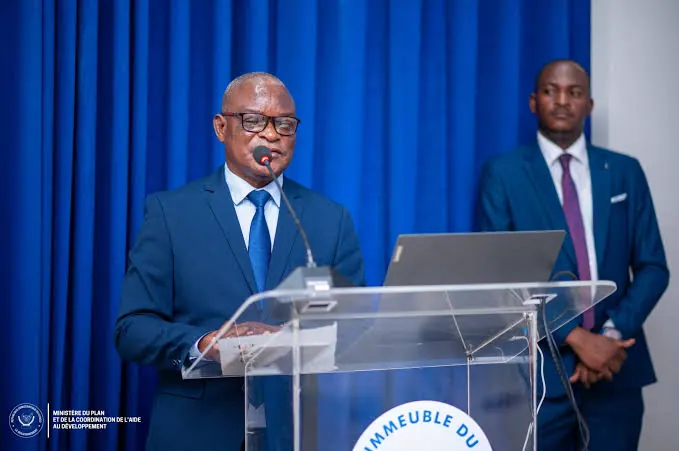
The Congolese government has emphasized the importance of planning in driving socio-economic development, with the national census being a key component of this process. According to Daniel Epembe, Secretary General at the Ministry of Planning and Coordination of Development Aid, the census will provide essential data for planning the country's development. The second national census, known as RGPH2, is currently underway, with the cartography exercise having been launched on September 28, 2026.
The cartography exercise involves deploying cartographers to the field to determine census enumeration areas. This exercise is a critical step in preparing for the national census, which aims to provide an accurate demographic snapshot of the country. The data collected will inform policy decisions in areas such as education, healthcare, infrastructure, and electoral stabilization. The Ministry of Planning is working closely with international partners to ensure the success of the census.
The national census is a long-awaited exercise, with the first census having been conducted in 1984. The current initiative has received significant international support, with over $200 million in funding secured, including $100 million from the World Bank. The government has expressed its commitment to completing the census, which is expected to provide a reliable and accurate picture of the country's population.
The census is part of a broader effort to formalize the informal economy and promote socio-economic development in the DRC. The government has been working to create a conducive environment for economic growth, including through the implementation of strategic documents for the formalization of the informal economy. The census data will also inform policy decisions aimed at promoting economic growth and reducing poverty.
The launch of the cartography exercise was officiated by Minister of State for Planning, Guylain Nyembo, on September 28, 2026. The exercise is being conducted in Kinshasa, with plans to extend it to other parts of the country. The government has expressed its appreciation for the support of international partners, including the World Bank, which has provided significant funding for the census.
The national census is expected to have a positive impact on the country's development, particularly in areas such as education, healthcare, and infrastructure. The data collected will enable policymakers to make informed decisions about resource allocation and service delivery. The census will also provide insights into the country's demographic trends, which will inform policy decisions aimed at promoting economic growth and reducing poverty.
The DRC's national census is a significant milestone in the country's development, marking a major step towards creating a reliable and accurate picture of the country's population. The government has expressed its commitment to completing the census, which is expected to have a positive impact on the country's socio-economic development. The census data will be used to inform policy decisions and promote economic growth, ultimately improving the lives of Congolese citizens.
Key points
- The DRC is set to conduct its second national census, a crucial step in planning the country's socio-economic development.
- The census has received significant international support, with over $200 million in funding secured.
- The data collected will inform policy decisions in areas such as education, healthcare, infrastructure, and electoral stabilization.