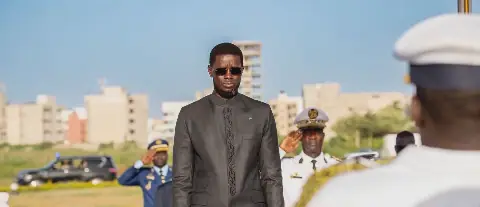
The government of the Democratic Republic of Congo has dismissed concerns that former President Joseph Kabila's rebellion poses a threat to the capital city of Kinshasa. According to government spokesperson Patrick Muyaya, Kabila's attempt to regain power will not succeed. Muyaya made these comments while addressing the Congolese diaspora in London on the sidelines of the UK-DRC summit on November 4.
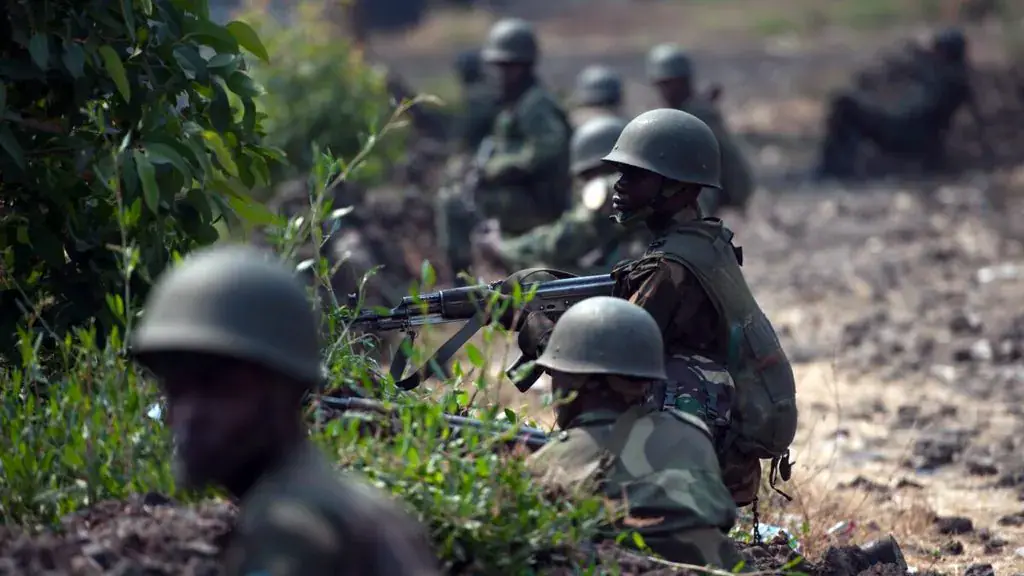
Muyaya described Kabila's move as an "expedient" and a "joker" that is being used when all other resources have been exhausted. He emphasized that the government is confident in its ability to contain the situation and protect the capital. The conflict has been ongoing since 2021, with Kabila's rebels, supported by Rwanda, clashing with the Congolese military in the eastern part of the country.
The conflict has resulted in significant humanitarian challenges, with thousands of people displaced and many schools and healthcare facilities forced to close. The World Health Organization has reported an outbreak of Ebola in the region, which is further complicating the situation. The Congolese military has been battling Kabila's rebels, with support from local militia groups known as the Wazalendo.
Analysts have questioned whether President Felix Tshisekedi should engage in negotiations with Kabila to resolve the conflict. However, many believe that negotiating with Kabila would be a mistake, as he is seen as a puppet of the Rwandan government. French analyst Jean-François Le Drian has stated that the real decision-maker in the conflict is Rwandan President Paul Kagame, and that Kinshasa should negotiate directly with him.
The humanitarian situation in the region continues to deteriorate, with reports of clashes and displacement of civilians. The UN's Office for the Coordination of Humanitarian Affairs (OCHA) has warned of a growing crisis, with many people in need of assistance. The Congolese government has been working to respond to the crisis, but the situation remains challenging.
In a separate development, the government has announced plans to address the issue of deforestation in the country. President Tshisekedi has identified three key areas of focus to protect the country's forests. The move is seen as an effort to address environmental concerns and promote sustainable development.
The situation in the DRC remains volatile, with ongoing clashes and humanitarian challenges. The government's response to the crisis will be closely watched, both domestically and internationally. Key points include the government's rejection of Kabila's threat, the humanitarian crisis unfolding in the region, and the need for a negotiated settlement to the conflict.
Key points
- The DRC government has dismissed concerns that Joseph Kabila's rebellion poses a threat to Kinshasa.
- The conflict has resulted in significant humanitarian challenges, with thousands of people displaced and many schools and healthcare facilities forced to close.
- Analysts believe that negotiating with Kabila would be a mistake, as he is seen as a puppet of the Rwandan government.