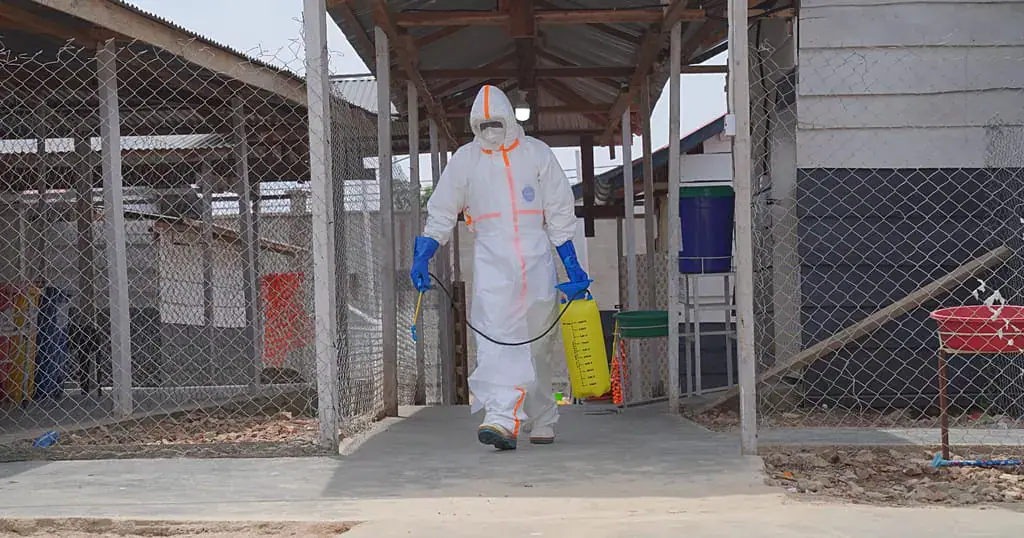
Medical staff and local residents in DR Congo's Ituri province recently celebrated a significant milestone in the fight against Ebola. The last confirmed Ebola patients were discharged from a treatment centre in Mongbwalu, marking the first time the Médicins Sans Frontières-run clinic has had no confirmed cases since the outbreak was declared in May. This development brings hope to the region, which has been severely affected by the epidemic.
The Ebola outbreak in DR Congo has been ongoing since May, with the virus continuing to spread across eastern Congo. According to health authorities, the outbreak has now passed more than 10,000 confirmed cases. While over 2,600 people have recovered, the epidemic's fatality rate is alarmingly close to 50 percent, with almost 5,000 deaths reported. The high fatality rate underscores the challenges faced by authorities working to contain the virus.
One of the significant challenges in containing the outbreak is the lack of an approved treatment or vaccine for the Bundibugyo strain of Ebola driving the outbreak. This strain is particularly concerning, as it has contributed to the high fatality rate. Despite these challenges, health workers and medical staff continue to work tirelessly to provide care to those affected and prevent further transmission of the virus.
The Ebola outbreak has not been limited to DR Congo, with cases reported in neighbouring countries. Earlier this month, nine cases were confirmed in Kenya and one in Nigeria. The World Health Organization has warned that Africa faces a complex task in containing an outbreak that spans the east, west, and centre of the continent. This highlights the need for a coordinated regional response to combat the epidemic.
The situation in DR Congo is further complicated by the presence of other health challenges. The country's health system faces numerous challenges, including inadequate infrastructure and limited resources. These factors can hinder the effective response to the Ebola outbreak and other health emergencies.
In response to the outbreak, the World Health Organization and other health authorities have been working closely with the DR Congo government to contain the virus. This has included providing support for contact tracing, vaccination efforts, and the provision of medical supplies and equipment. Despite these efforts, the situation remains fragile, and continued vigilance is necessary to prevent further transmission.
The discharge of the last confirmed Ebola patients from the Mongbwalu treatment centre is a positive development in the fight against the outbreak. However, it is essential to remain cautious, as the virus continues to circulate in the region. Health authorities and medical staff must continue to work together to prevent further transmission and provide care to those affected.
Key points
- The Ebola outbreak in DR Congo has passed more than 10,000 confirmed cases, with almost 5,000 deaths reported.
- The lack of an approved treatment or vaccine for the Bundibugyo strain of Ebola driving the outbreak is a significant challenge.
- Cases have been reported in neighbouring countries, including Kenya and Nigeria, highlighting the need for a coordinated regional response.