The Democratic Republic of Congo has reaffirmed its commitment to disarming the Forces démocratiques de libération du Rwanda (FDLR) and expects the same level of dedication from other parties involved in the peace process. On September 29, the DRC's Permanent Representative to the United Nations, Ambassador Zénon Mukongo Ngay, briefed the press after consultations with the UN Security Council. He highlighted the measures taken by the Congolese government, including a protocol signed on May 30, 2026, for the disarmament, demobilization, and cantonment of FDLR-FOCA.
The Congolese government has made significant progress in the disarmament process, with three other groups - CNRD, FPP, and RUD - formally agreeing to voluntarily surrender their arms on August 29. Ambassador Mukongo emphasized that the DRC is preparing for another operation to neutralize FDLR in the NAI-1 zone and seeks support from the UN Security Council and MONUSCO to verify and accompany this process. The incidents that may compromise the execution of this operation should be quickly examined by the competent mechanisms.
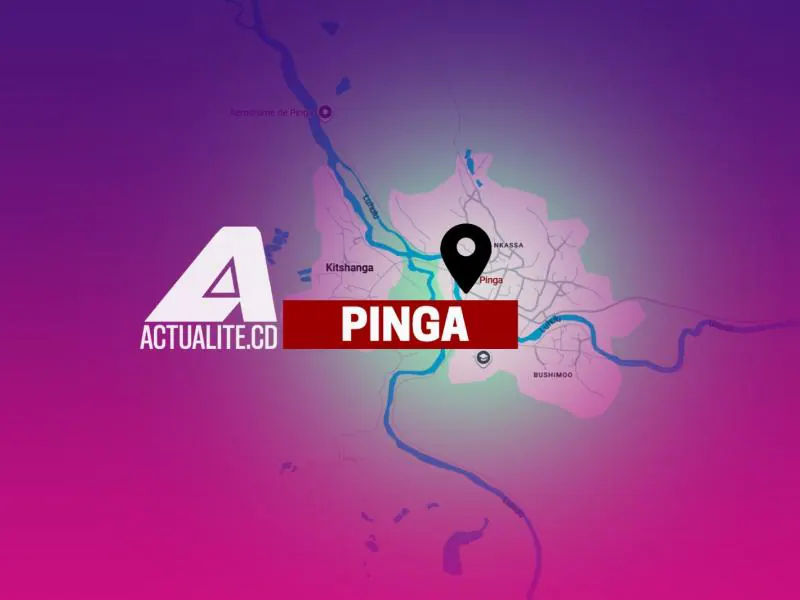
A drone strike occurred on September 28 in Pinga, which the DRC attributes to the Rwandan Defence Forces (RDF). The strike targeted a Congolese position, killing five people and injuring eight others. Kinshasa views this incident as a violation of the ceasefire, sovereignty, and territorial integrity. Ambassador Mukongo demanded that the facts be verified quickly by the competent mechanisms, including the MCVE+, with the support of MONUSCO.
The DRC-Rwanda peace agreement, signed in Washington under US facilitation, includes the neutralization of FDLR and the lifting of Rwanda's defensive measures. The lifting of defensive measures implies the withdrawal of Rwandan forces from Congolese territory. More than a year after the agreement was signed, little progress has been made on these key security issues.
The UN Security Council has been informed of the DRC's efforts to disarm FDLR and address security concerns. Ambassador Mukongo urged the Council to condemn the violations of the ceasefire and demand that they not recur. The situation in the DRC remains volatile, with ongoing violence and humanitarian concerns.
The conflict in the DRC has led to significant humanitarian consequences, including widespread displacement and human rights abuses. The international community has called for an end to the violence and a peaceful resolution to the conflict. The DRC's efforts to disarm FDLR and address security concerns are crucial to achieving lasting peace.
The DRC and Rwanda signed a peace agreement in Washington, which includes commitments to neutralize FDLR and lift defensive measures. The agreement has not yet yielded significant results, and tensions between the two countries remain high. The international community, including the UN Security Council, has a critical role to play in supporting the peace process.
Key points
- The DRC seeks international verification of a drone strike in Pinga, which it attributes to Rwandan Defence Forces.
- The DRC has made progress in disarming FDLR, with several groups agreeing to voluntarily surrender their arms.
- The DRC-Rwanda peace agreement has not yet yielded significant results, and tensions between the two countries remain high.