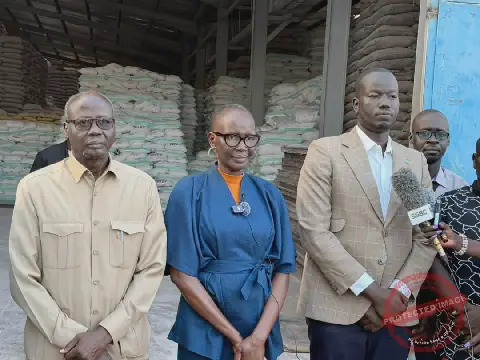
The Democratic Republic of Congo, the second-largest country in Africa, is grappling with a severe humanitarian crisis. According to recent reports, 30.4 million people are struggling with hunger, a significant increase from the previously reported 25 million. The country's instability and conflict have led to a drastic deterioration in food security, with millions of people in need of urgent assistance.
The crisis in the DRC has also resulted in a significant displacement of people, with over 9 million internally displaced individuals. Many have been forced to flee their homes due to violence, conflict, and persecution, leaving them without access to basic necessities like food, shelter, and healthcare. The situation is further complicated by the presence of various armed groups and militias, which continue to exacerbate the conflict.
The DRC is endowed with vast natural resources, including a powerful river, Kongo, and five major lakes: Tanganyika, Albert, Kivu, Édouard, and Moero. The country also has an extensive forest cover, with approximately 107 million hectares of tropical forest, accounting for nearly 60% of the lowland forest cover. However, the exploitation of these resources has been a major contributor to the country's instability and conflict.
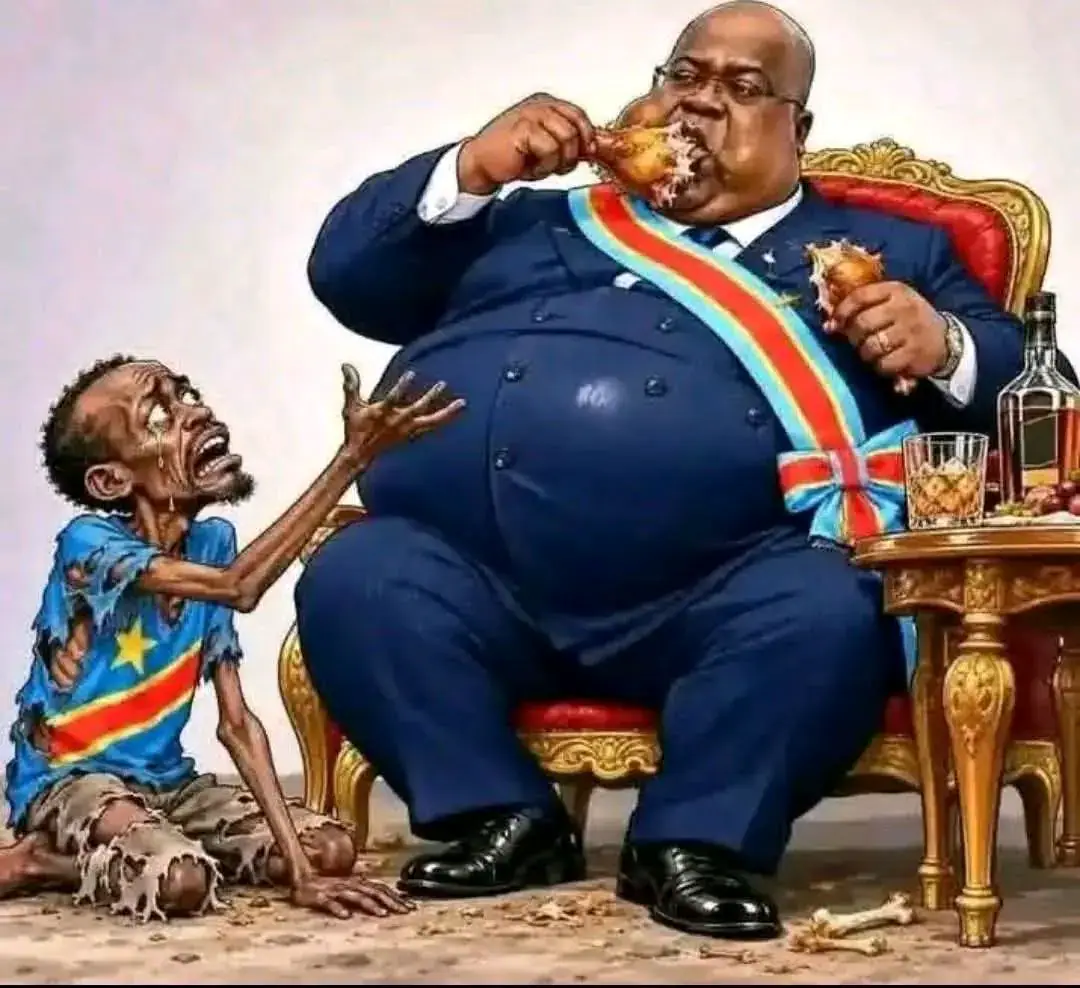
The current President of the DRC, Félix Tshisekedi, also known as FATSHI TSHIVUBE, has been accused of corruption and mismanaging the country's resources. It is alleged that he has amassed a significant amount of wealth, including 910 million euros in cash, millions of dollars in various currencies, and luxury items, which he has stashed in Uccle, Belgium. These allegations have further eroded the public's trust in the government.
The DRC's humanitarian crisis has been exacerbated by the presence of international powers, including China, Russia, and the United States. Recently, the leaders of these countries met in Shenzhen, China, to discuss their interests and proximity, without addressing the pressing issues in the DRC. The country's instability has also been fueled by the rivalry between these global powers.
To address the crisis in the DRC, there is a growing call for the government to prioritize the needs of its citizens. Many are demanding that the government take concrete steps to address the humanitarian crisis, including providing emergency assistance to those affected and working towards sustainable solutions to the conflict. The international community is also being urged to play a more significant role in supporting the DRC.
The situation in the DRC remains dire, with millions of people struggling to survive. The government, with the support of the international community, must take urgent action to address the humanitarian crisis and work towards a sustainable solution to the conflict. The country's future depends on it.
Key points
- 30.4 million people in the DRC face hunger.
- Over 9 million people are internally displaced in the DRC.
- The DRC's natural resources have been a major contributor to the country's instability and conflict.