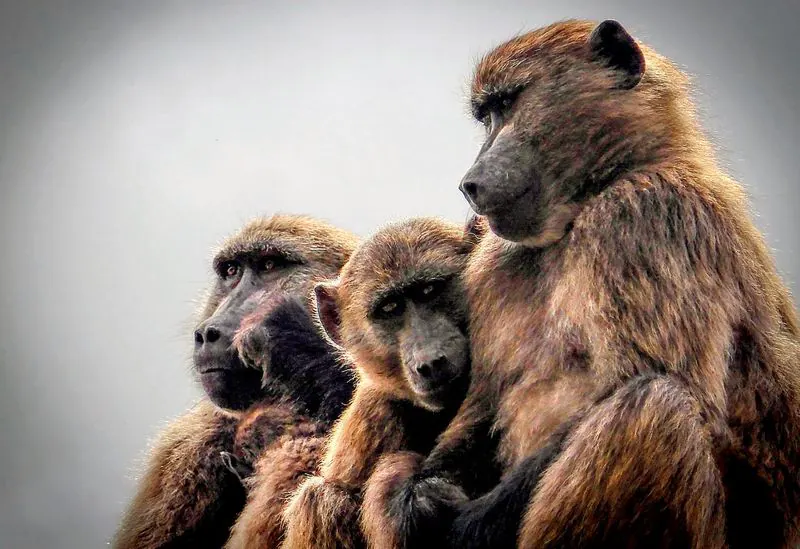
The City of Cape Town has committed R33-million over three financial years to baboon management, with a separate R15-million allocated to the Cape Baboon Partnership's ranger program and R10-million for the Urban Wildlife Centre at Kogelfontein. The centre will house around 60 baboons from the Waterfall and Seaforth troops, with 44 from Waterfall and 16 from Seaforth. The relocation plan is part of the Cape Peninsula Baboon Management Action Plan, which aims to manage baboon populations and reduce human-baboon conflicts.
The action plan, amended in June 2026, proposes firmer boundaries, population limits, and permanent captivity for two troops. The City, CapeNature, and SANParks jointly produced the plan, which aims to give daily crisis management its marching orders. A City-sponsored Baboon Advisory Group has also been established to oversee the process. However, the plan has sparked controversy, with some citizens appalled at the impending imprisonment of the baboons.
The authorities argue that the baboon population has grown from 360 in 10 troops in 2000 to over 600 in 17 troops in 2024, leading to a population squeeze. Development has eaten into low-lying land where baboons forage, and the suburbs continue to restock the pantry, making it difficult for baboons to adapt. Four troops have been singled out for removal: Constantia 1 and 2, Waterfall, and Seaforth.
The Waterfall and Seaforth troops will be relocated to the Urban Wildlife Centre at Kogelfontein, where they will be housed in separate enclosures. The centre will provide a safe and controlled environment for the baboons, with veterinary assessments, vasectomisation of healthy males, and contraceptive implants for mature females. However, the plan has raised concerns about the welfare of the baboons and the potential for euthanisation if the sanctuary fails.
The City has described many Waterfall baboons as being in poor physical condition, highly accustomed to people, and vulnerable to human-caused injuries and deaths. The Seaforth troop also threatens the critically endangered African penguin colony. The authorities argue that the relocation plan is an alternative to culling the two troops, rather than a conservation outcome.
However, the plan has sparked protests and demonstrations from citizens who are opposed to the relocation and imprisonment of the baboons. The citizens' group Keep Cape Peninsula Baboons Wild has questioned the City's plans, citing concerns about the welfare of the baboons and the effectiveness of the relocation plan. The group argues that the plan does not address the root causes of human-baboon conflicts and that alternative solutions should be explored.
As the relocation plan looms, the debate is set to continue, with many calling for a more nuanced approach to managing baboon populations. The City has acknowledged that years of divided responsibilities, indecision, and firefighting have left both species worse off, and that sustainable solutions are needed to address the issue. The fate of the Waterfall and Seaforth troops remains uncertain, as the City weighs the pros and cons of the relocation plan.
Key points
- The City of Cape Town has committed R33-million to baboon management over three financial years.
- The Urban Wildlife Centre at Kogelfontein will house around 60 baboons from the Waterfall and Seaforth troops.
- The relocation plan is part of the Cape Peninsula Baboon Management Action Plan, which aims to manage baboon populations and reduce human-baboon conflicts.