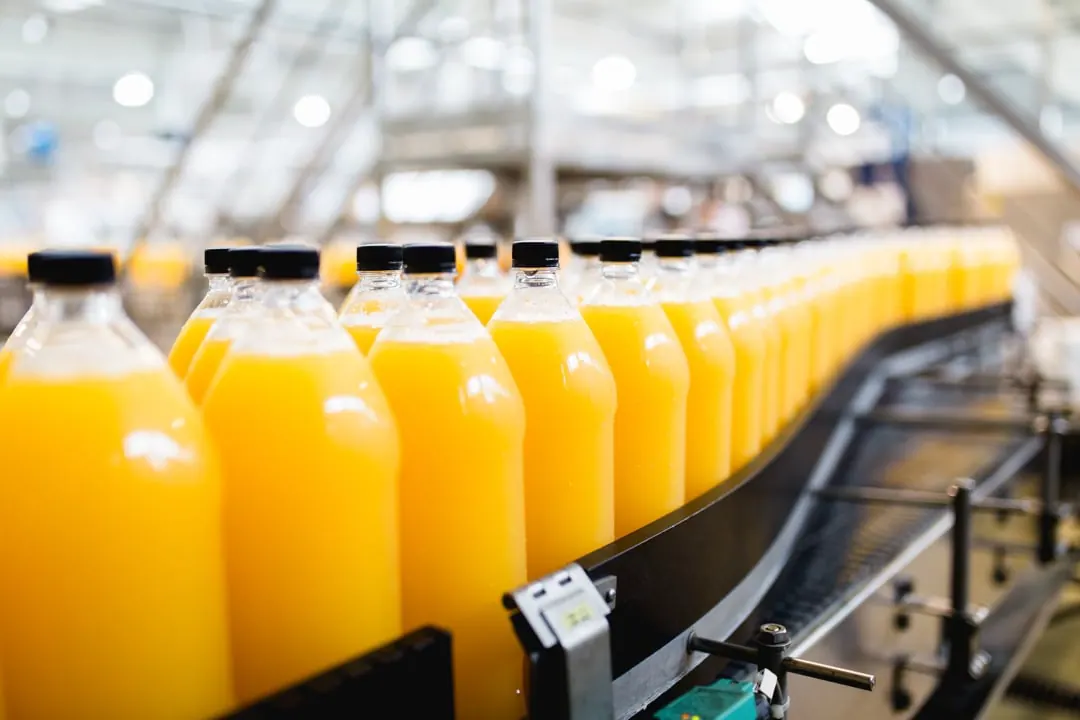
South Africa's sugar industry is facing significant challenges due to the influx of imported sugar, primarily from soft drink manufacturers. The local industry has been struggling to compete with cheaper imports, which has resulted in a decline in demand for locally produced sugar. According to industry experts, the soft drink sector is a significant contributor to this trend. The industry's struggles have far-reaching implications for the country's economy and thousands of workers employed in the sector.
The impact of imported sugar on the local industry is substantial, with many local producers struggling to remain competitive. RCL Foods, a major player in the South African food industry, has expressed concerns about the effects of cheap imports on the local sugar market. The company's concerns are echoed by other industry players, who argue that the influx of imported sugar is threatening the very existence of the local sugar industry. The South African government has implemented various measures to protect the industry, including tariffs on imported sugar.
The soft drink industry is a significant consumer of sugar, with many popular brands relying heavily on imported sugar to produce their products. Companies such as Coca-Cola and PepsiCo have been accused of contributing to the decline of the local sugar industry through their reliance on cheap imports. While these companies argue that they are simply responding to consumer demand for affordable products, industry experts argue that they have a responsibility to support local producers.
The South African government has taken steps to address the challenges facing the local sugar industry. In 2020, the government imposed a tariff on imported sugar to protect local producers. However, the effectiveness of this measure remains to be seen, and industry experts argue that more needs to be done to support the local industry. The government has also established the Sugar Industry Development Committee to explore ways to support the industry and promote sustainable sugar production.
The decline of the local sugar industry has significant implications for the country's economy and thousands of workers employed in the sector. The industry is a major employer in rural areas, and the loss of jobs could have devastating consequences for local communities. Furthermore, the decline of the local sugar industry could also impact the country's food security, as it may become increasingly reliant on imported sugar and other food products.
Industry experts argue that the solution to the challenges facing the local sugar industry lies in promoting sustainable sugar production and supporting local producers. This could involve initiatives such as increasing tariffs on imported sugar, providing subsidies to local producers, and promoting the use of locally produced sugar in the production of soft drinks and other products.
The South African sugar industry is working to adapt to the changing market conditions and remain competitive. Industry players are exploring new markets and developing innovative products to stay ahead of the competition. However, the industry's long-term viability depends on the government's ability to protect local producers and promote sustainable sugar production. The issue remains a pressing concern for the country's economy and thousands of workers employed in the sector.
Key points
- The South African sugar industry is facing significant challenges due to the influx of imported sugar, primarily from soft drink manufacturers.
- The government has implemented various measures to protect the industry, including tariffs on imported sugar.
- The decline of the local sugar industry has significant implications for the country's economy and thousands of workers employed in the sector.