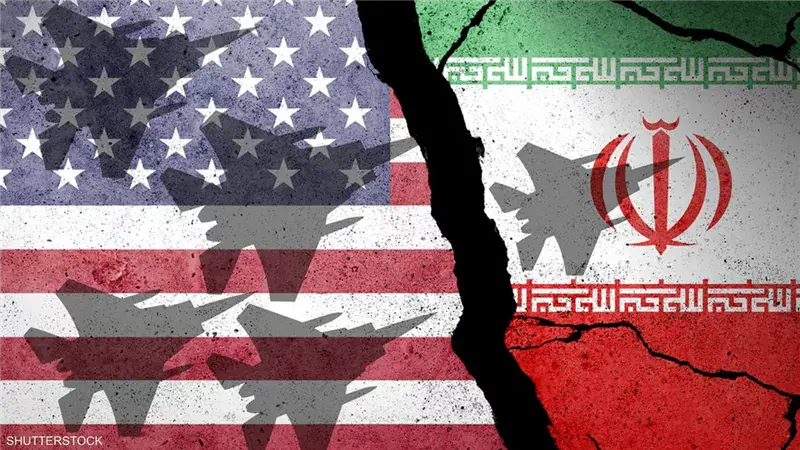
A draft proposal for US-Iran talks has been revealed, outlining a framework for negotiations between the two countries. The proposal suggests that Iran would commit to limiting its highly enriched uranium stockpile, potentially by transferring the material to a third country or reducing its enrichment level. This commitment would be contingent on technical arrangements and verification measures agreed upon by both parties.
The proposal also discusses arrangements for reopening the Strait of Hormuz to international maritime navigation within a week of reaching a preliminary understanding. This would involve confidence-building measures implemented by both parties on a daily basis, aimed at reducing tensions and ensuring the safety and security of international maritime navigation.
The draft proposal explores the establishment of an international mechanism to guarantee reciprocal implementation of commitments by the US and Iran. This could involve a potential role for China as a guarantor of any agreement and its sustainability. The proposal also suggests that Iran agree to a round of direct talks, potentially in Doha, given Iranian security concerns about holding talks in Turkey.
The proposal outlines a phased timeline for the simultaneous and reciprocal implementation of commitments by the US and Iran. Each Iranian step on the nuclear file and maritime security would be matched by a clear and specified American step aimed at easing sanctions, blockade, and economic restrictions. These arrangements would be subject to an independent verification mechanism.
A Pakistani military spokesperson has expressed "cautious optimism" about Pakistan's mediation efforts between Iran and the US. The Pakistani army chief, Asim Munir, has visited Tehran twice this month, and the spokesperson suggested that these visits indicate a positive trajectory. However, the spokesperson also warned that there are still "strong parties seeking to spoil and block" the process.
A Qatari delegation arrived in Tehran on Friday to hold talks with Iranian officials, as mediators seek to revive peace talks with the US. The Qatari delegation, led by the first advisor to the Qatari Prime Minister and Foreign Minister, discussed bilateral relations and regional developments with senior Iranian officials.
The development comes amid reports that Tehran received a message from US Vice President Kamala Harris's office, addressed to Iran's Supreme National Security Council secretary, Mohsen Rezaei. The message is seen as part of efforts to revive peace talks, which have stalled since a ceasefire agreement in April.
Key points
- The draft proposal suggests a potential Chinese role in guaranteeing any agreement between the US and Iran.
- The proposal outlines a phased timeline for the implementation of commitments by both countries.
- Pakistan and Qatar are playing a mediating role in efforts to revive peace talks between the US and Iran.