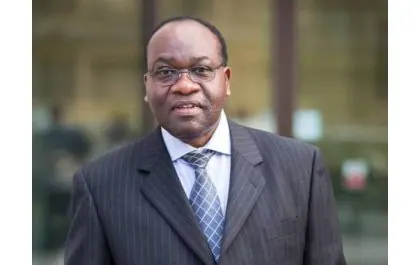
Dr. Vincent Bajinya, a Rwandan national, appeared before Westminster Magistrates' Court in London on September 22, 2026, to face charges related to his alleged role in the 1994 genocide against the Tutsi ethnic group. The UK's Crown Prosecution Service (CPS) alleges that Dr. Bajinya played a significant role in the genocide, which resulted in the deaths of hundreds of thousands of people. According to the CPS, Dr. Bajinya is accused of ordering and inciting others to commit the genocide.
The allegations against Dr. Bajinya date back to April 1994, when he was allegedly in charge of the family planning department at the Office Nationale de la Population (ONAPO) in Kigali. The CPS claims that Dr. Bajinya used his position to incite Hutus to kill Tutsis and failed to use his authority to stop the killings. The charges against him include six counts of crimes against humanity and one count of genocide. Dr. Bajinya's lawyer, Sam Blom-Cooper, stated that his client denies the allegations.
The investigation into Dr. Bajinya's alleged role in the genocide began in 2019, following a request from the Rwandan government. The UK's Metropolitan Police Service worked with the CPS to gather evidence and build a case against Dr. Bajinya. The police have also arrested and charged several other individuals suspected of involvement in the genocide. Dr. Bajinya is the first person in the UK to be charged with genocide-related crimes in connection with the 1994 Rwandan genocide.
Dr. Bajinya, who is currently living in the London borough of Islington, has been released on bail pending his next court appearance on October 9, 2026, at Old Bailey. The judge, Paul Goldspring, set a high bail condition for Dr. Bajinya. If convicted, Dr. Bajinya could face a lengthy prison sentence. The UK's decision to prosecute Dr. Bajinya marks a significant step towards holding those responsible for the genocide accountable.
The Rwandan genocide, which occurred in 1994, resulted in the deaths of an estimated 800,000 people, primarily from the Tutsi ethnic group. The genocide was sparked by the assassination of Rwandan President Juvénal Habyarimana and was fueled by ethnic tensions and hatred. Dr. Bajinya's alleged role in the genocide has been the subject of controversy and debate. The Rwandan government has long sought to bring those responsible for the genocide to justice.
The Ibuka organization, which represents the interests of genocide survivors, has welcomed the charges against Dr. Bajinya. However, the organization's director, Dr. Gakwenzire Philibert, expressed concerns that it has taken too long for Dr. Bajinya to be brought to justice. Dr. Philibert also called on the UK government to take a more proactive approach to prosecuting individuals suspected of involvement in the genocide.
The case against Dr. Bajinya marks a significant development in the pursuit of justice for the victims of the Rwandan genocide. The UK's decision to prosecute Dr. Bajinya demonstrates its commitment to holding those responsible for international crimes accountable. The case is expected to draw attention to the ongoing efforts to bring perpetrators of genocide to justice and to provide closure for the survivors and families of the victims.
Key points
- Dr. Vincent Bajinya to face charges of genocide and crimes against humanity in a UK court.
- The allegations against Dr. Bajinya date back to April 1994, when he was allegedly involved in the genocide against the Tutsi ethnic group.
- The case against Dr. Bajinya marks a significant development in the pursuit of justice for the victims of the Rwandan genocide.