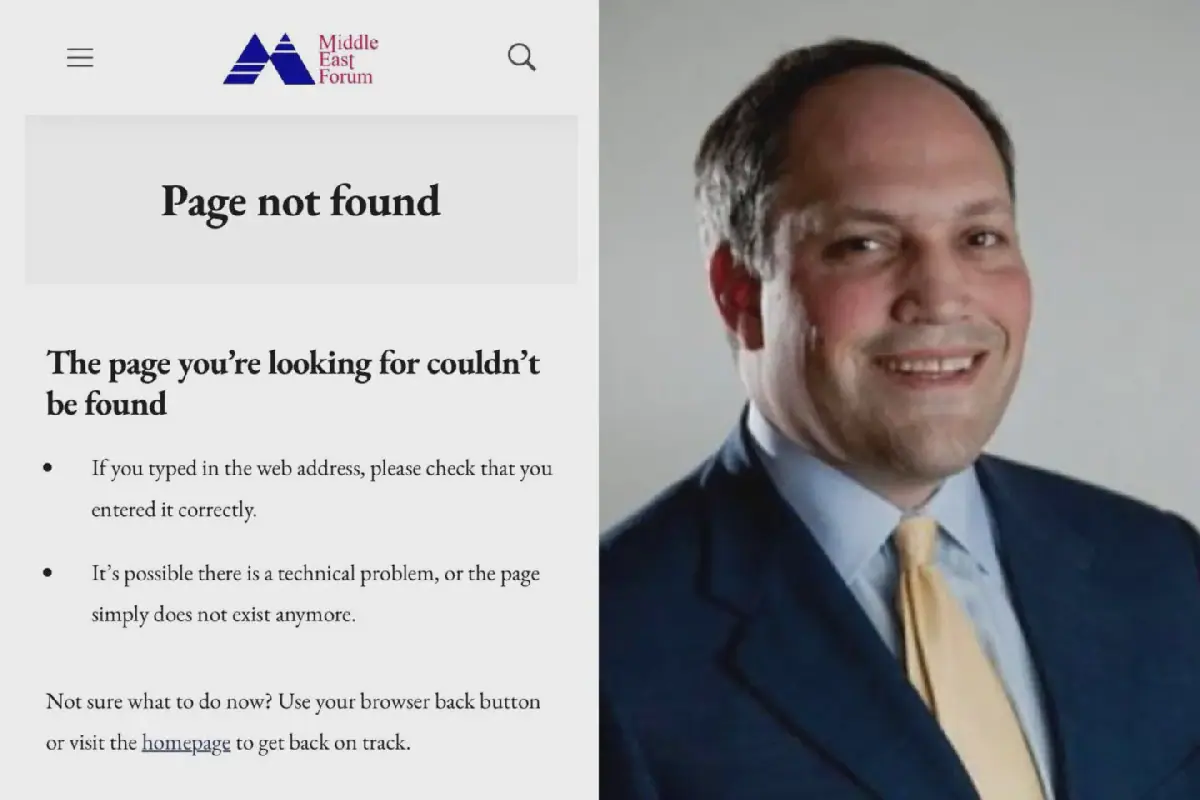
Dr. Michael Rubin, editor of the Middle East Quarterly, recently wrote an article criticizing the United Arab Emirates (UAE) for its diplomatic approach in the Horn of Africa. The article, which was later removed from the Middle East Forum Observer, argued that the UAE's support for the Puntland State of Somalia was insufficient in its dispute with the Federal Government of Somalia. This stance has put Rubin at odds with the UAE, which has publicly reaffirmed its support for Somalia's sovereignty and territorial integrity.
The UAE's position on Somalia's territorial integrity was reiterated after Israel recognized Somaliland as an independent country on December 26, 2025. This move inadvertently strengthened the common ground between the Federal Government of Somalia and Puntland State over Somalia's territorial integrity and political unity. Rubin's understanding of Somali politics has been questioned, particularly in light of the 2023 Laascaanood conflict, which had significant ramifications for the secessionist project in Somalia.
The conflict in northern Somalia is primarily between unionists and secessionists, rather than directly between Mogadishu and Hargeisa. Rubin failed to grasp this nuance, which has led to criticism of his analysis. The Somaliland Administration regards President Deni as a foreigner liable to deportation from any part of the former British Somaliland protectorate, despite Somalia being a sovereign country with a seat at the United Nations.
Rubin's article may have been unpalatable to the UAE government, which is currently facing allegations of funding anti-immigrant narratives in the West and involvement in the ongoing conflict in Sudan. The article was withdrawn, apparently because Rubin urged the UAE to violate Somalia's sovereignty by recognizing the Somaliland Administration as an independent country.
Despite the article's removal, Rubin subsequently posted it on his X (formerly Twitter) account. In the article, he wrote that the UAE president should recognize Somaliland's independence, which would set off a cascade of recognition by other countries. Rubin argued that this wasn't an act of cowardice, but rather the UAE trying to punch above its weight and learning its limits.
The UAE's diplomatic approach in the Horn of Africa has been complicated by its relations with other countries in the region. The Gulf country is a member of the Arab League, which has publicly supported Somalia's sovereignty and territorial integrity. This stance has put the UAE at odds with countries like Ethiopia and Kenya, which have grown weary of Mogadishu's policies.
The controversy surrounding Rubin's article highlights the complexities of Somali politics and the challenges faced by countries in the region. The situation requires a nuanced understanding of the territorial dispute between Puntland State and the Somaliland Administration, as well as the role of external actors like the UAE and Israel.
Key points
- Dr. Michael Rubin's article on Somalia's territorial dispute sparks controversy
- The UAE's support for Somalia's sovereignty and territorial integrity puts it at odds with Dr. Rubin's analysis
- The conflict in northern Somalia is primarily between unionists and secessionists
Reporting sources
- Why Dr Micheal Rubin Gets Somalia Wrong · Puntland Post