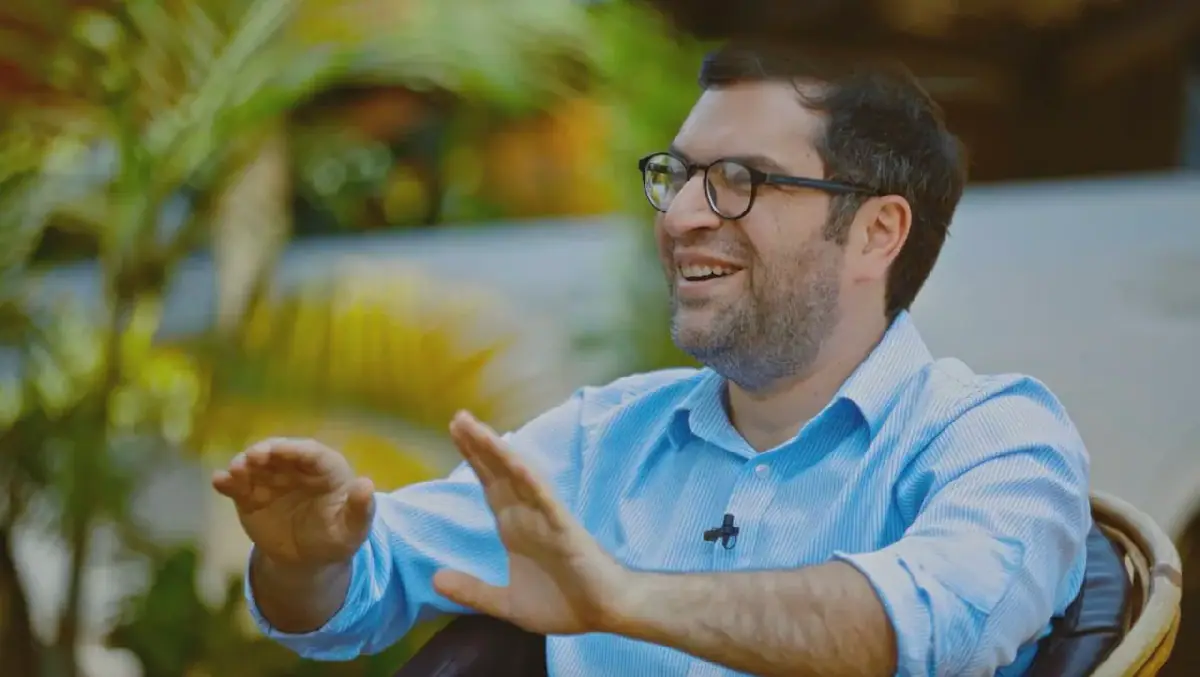
Dr. Gevorg Tamamyan, a pediatric oncologist from Armenia, has emerged as the top candidate in an independent evaluation for the World Health Organization's (WHO) Director-General position. According to an update published on November 15 by Peter Singer, former special advisor to the WHO Director-General, Dr. Tedros Adhanom Ghebreyesus, Tamamyan scored 12 out of 14 points, four points ahead of his closest competitors. This evaluation is part of a broader assessment of seven candidates vying for the position.
The evaluation, conducted by Peter Singer, assesses candidates across seven domains grouped around two priorities: achieving more results and reducing political interference in the WHO's work. The analysis examines whether candidates propose concrete reforms with mechanisms for independent verification of implementation. Singer describes this approach as the "test of 2030," determining if candidates' commitments are specific enough to be verified by 2030. Tamamyan's score doubled from six to 12 points following the publication of his reform program on November 12.
Tamamyan's program, titled "Geography Should Not Decide Who Lives," includes commitments such as diagnosing at least 90% of expected childhood cancer cases in participating countries, reducing treatment abandonment rates to less than 10%, and ensuring 80% availability of around 30 essential medicines in designated health facilities by 2032. Singer highlights Tamamyan's proposals, including annual public reports from the WHO Director-General, regional production partnerships, and independent review of scientific advice.
The evaluation raises questions about the criteria for effective leadership at the WHO. While diplomatic influence is important, the assessment encourages candidates to demonstrate how their proposals translate into concrete, measurable improvements in global health. Singer calls on other candidates to match Tamamyan's level of specificity and measurable targets. However, the evaluation notes shortcomings among all candidates, with none achieving the highest score for proposals related to accountability in the global health ecosystem or protecting the WHO from internal state politics.
Peter Singer emphasizes that his evaluation measures the precision of candidates' public commitments, not their overall qualifications or chances of winning the election. He explicitly states that he supports none of the candidates. In a transparent approach, Singer reveals that he reviewed Tamamyan's program before its publication and offered the same opportunity to all other candidates.
As the selection process advances, the analysis poses a central question to WHO member states: who can present not only a vision for the WHO's future but also a credible, measurable program likely to produce results? The next steps involve hearings with the seven candidates on November 18-19, followed by the WHO Executive Board reducing the list to three candidates at their session from January 25 to February 2, 2027, before the final election in May.
The other six candidates for the WHO Director-General position are Dr. Hanan Mohammed Al-Kuwari (Qatar), Dr. Hanan Balkhy (Saudi Arabia), Dr. Hans Henri P. Kluge (Belgium), Dr. María P. Neira (Spain), Mr. Budi Gunadi Sadikin (Indonesia), and Dr. Li Song (China). As the process unfolds, attention remains on the candidates' ability to present a compelling vision and a feasible program for the WHO's future.
Key points
- Dr. Gevorg Tamamyan leads the independent evaluation with 12 out of 14 points.
- The evaluation assesses candidates based on their proposals for concrete reforms and measurable targets.
- The WHO Director-General election will take place in May 2027, following a series of evaluations and hearings.