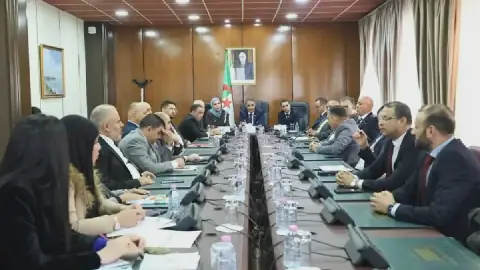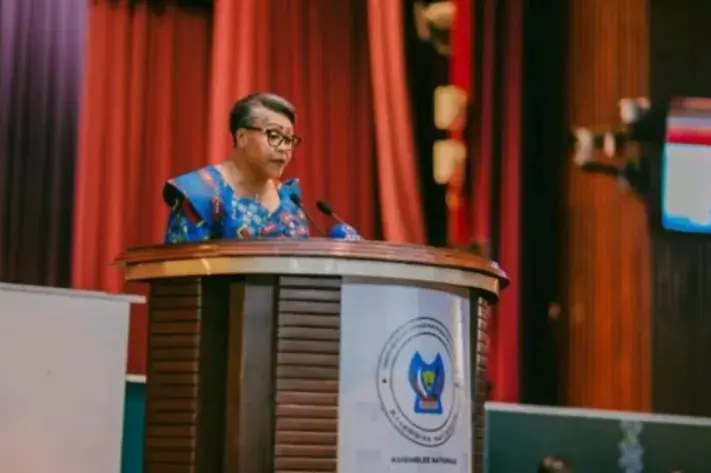
The Democratic Republic of the Congo has unveiled a record $24.8 billion draft national budget for 2027, with a focus on national security, social development, employment, and economic sovereignty. Prime Minister Judith Suminwa Tuluka presented the budget to the National Assembly on October 29, outlining the government's priorities. The proposed budget represents a 12 percent increase from the amended 2026 budget, making it the largest financial plan ever presented by the Congolese government.
The budget, described as a "budget for action and sovereignty," aims to strengthen domestic revenue mobilization while addressing the country's pressing economic and security challenges. Projected current revenue stands at $17.5 billion, with external financing expected to contribute approximately $4 billion. The government anticipates that domestic resources will account for 82 percent of projected revenue, reflecting its commitment to reducing dependence on external financing and strengthening national economic sovereignty.
Social services feature prominently in the proposed spending framework, with approximately $6.2 billion earmarked for essential services intended to improve living conditions across the country. This allocation reflects the government's recognition of the need for greater investment in public welfare, particularly as millions of Congolese continue to face challenges accessing quality healthcare, education, and other basic services.
National security and territorial protection constitute another major priority, with approximately $6.1 billion allocated to strengthening the country's defense and security capabilities. The proposed defense budget is reported at $6.13 billion, underscoring the importance attached to addressing persistent insecurity, particularly in the country's conflict-affected eastern provinces. Employment creation and the protection of purchasing power are also central to the government's economic agenda, with $4.8 billion allocated to initiatives intended to support livelihoods and ease financial pressures on households.
The government has also allocated $62 million for the organization of a National Dialogue for Peace, Cohesion, and State Reform, highlighting its intention to provide financial support for efforts aimed at strengthening national unity and addressing longstanding political and institutional challenges. An additional $170 million has been proposed for electoral activities, although questions remain over the timing and implementation of the anticipated electoral processes.
On the broader economic outlook, the government projects growth of 5.8 percent in 2027, while average inflation is expected to stand at 6.4 percent. Achieving these targets will require sustained economic activity, improved revenue collection, and careful management of public finances amid continuing domestic and international uncertainties. Lawmakers have emphasized the importance of transparency, accountability, and prudent expenditure management during parliamentary discussions.
The size of the proposed budget has generated cautious optimism among sections of Congolese society, with observers welcoming the government's ambitions while stressing that the real measure of success will be its ability to deliver on the commitments. Human rights activist Faustin Muntulu expressed hope that the relevant provisions will be implemented without delay, saying, "This is the first time the DRC has had a budget bill totaling more than 24 billion U.S. dollars."
Key points
- The proposed budget prioritizes national security, social development, and economic sovereignty.
- The budget allocates $6.2 billion for social services and $6.1 billion for national security and territorial protection.
- The government's ability to deliver on the budget's commitments will be crucial to its success.