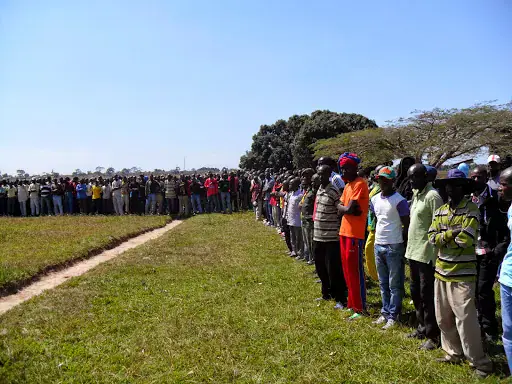
The Provincial Coordination of the Disarmament, Demobilization, Community Recovery and Stabilization Program (PDDRCS) in Ituri, Democratic Republic of the Congo, has denounced the recruitment of former combatants by armed groups in Djugu territory. This development has raised concerns about the fragility of the disarmament and reintegration process. According to the PDDRCS, some demobilized combatants are being threatened by their former comrades and forced to flee to Bunia or other localities.
During a press conference held on November 16 in Bunia, Jean-Jacques Upenzi, the PDDRCS communication officer in Ituri, stated that over 2,076 ex-combatants, including 71 women, had been demobilized in the province. However, some of them are being re-recruited, either voluntarily or under duress, by armed groups such as the CRP militia. This has sparked fears that the progress made in disarmament and demobilization could be reversed.
Jean-Jacques Upenzi explained that former combatants who have chosen to return to their communities are often threatened by their former comrades who are still active in armed groups. These former comrades accuse them of not having surrendered all their weapons during demobilization. As a result, some demobilized combatants are unable to cope with the pressure and prefer to leave their communities for Bunia or other provinces.
The PDDRCS has warned that these practices undermine the disarmament and reintegration process, exposing former combatants to a new cycle of violence. The program also cautioned demobilized combatants who rejoin armed groups, stating that they risk severe penalties, including up to 20 years in prison, if caught. The PDDRCS urged demobilized combatants to resist pressure from their former comrades and prioritize their reintegration into their communities.
According to the PDDRCS, demobilized combatants who rejoin armed groups and are captured will face prosecution under applicable laws. Jean-Jacques Upenzi emphasized that former combatants who have signed an act of renunciation of their engagement in armed groups must adhere to their commitment to abandon their military activities. The PDDRCS is working to ensure that demobilized combatants are reintegrated into their communities and that the disarmament process is completed.
The situation in Djugu territory highlights the challenges faced by disarmament and demobilization programs in conflict-affected areas. The PDDRCS and other stakeholders must address the root causes of re-recruitment and ensure that demobilized combatants are supported in their reintegration into civilian life. The program's efforts to raise awareness and provide support to demobilized combatants are crucial in preventing further recruitment by armed groups.
The PDDRCS's alert on the recruitment of ex-combatants by armed groups in Djugu territory serves as a reminder of the need for sustained efforts to consolidate peace and stability in the region. The program's coordination with local authorities and stakeholders is essential in addressing the complex issues surrounding disarmament and demobilization. By working together, the PDDRCS and its partners can help to prevent further violence and support the reintegration of former combatants into their communities.
Key points
- The PDDRCS has warned that demobilized combatants who rejoin armed groups risk up to 20 years in prison.