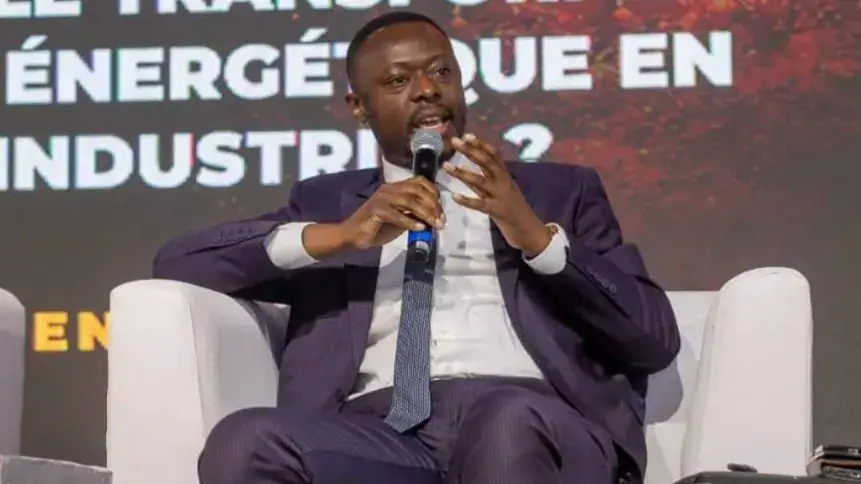
The Democratic Republic of Congo's industrialization ambitions are facing a major hurdle in the form of a significant energy deficit. According to Teddy Lwamba Muba, the Director-General of the Société nationale d'électricité (SNEL), the country's current electricity production is insufficient to meet the needs of its growing economy. Lwamba made these remarks at the recent Makutano Mining forum, where he emphasized the need to strengthen national electricity production to support the country's industrialization efforts.
The energy deficit in DR Congo is estimated to be around 800 MW, with the country currently importing 375 MW of electricity to meet part of its needs. Lwamba believes that this deficit must be addressed in order to support the country's industrialization ambitions. He argues that electricity is the lifeblood of industrialization, and that a reliable and sufficient supply of energy is essential for the growth and development of the country's economy.
Lwamba's call for increased investment in national electricity production is part of a broader effort to transform DR Congo's economy. President Félix Tshisekedi has set out to transform the country's natural resources into drivers of industrialization, and Lwamba's proposals are seen as a key part of this strategy. By strengthening national electricity production, the government hopes to create a more dynamic and competitive economy that is capable of creating jobs and driving growth.
The SNEL Director-General's proposals for strengthening national electricity production include the construction of new hydroelectric infrastructure, the modernization of existing installations, and the reinforcement of national production capacities. These measures are designed to address the current energy deficit and provide a reliable and sufficient supply of electricity to support the country's industrialization efforts.
The importance of electricity in supporting industrialization cannot be overstated, according to Lwamba. He argues that a reliable and sufficient supply of energy is essential for the growth and development of the country's economy, and that it is vital for the transformation of the country's natural resources into finished products. By strengthening national electricity production, DR Congo can reduce its dependence on imports and create a more competitive and dynamic economy.
The Makutano Mining forum provided a platform for Lwamba to make his case for increased investment in national electricity production. The forum, which was attended by mining industry stakeholders and government officials, provided a opportunity for discussion and debate on the challenges and opportunities facing DR Congo's mining sector. Lwamba's remarks were seen as a key contribution to this discussion, and his proposals are expected to inform future policy and investment decisions.
DR Congo's industrialization efforts are also being supported by other initiatives, including efforts to promote the growth of national mining companies. The Minister of Mines, Louis Watum Kabamba, has set out to promote the growth of national mining companies, and to encourage the development of a more competitive and dynamic mining sector. These efforts are seen as part of a broader strategy to transform DR Congo's economy and to create a more prosperous and sustainable future for the country's citizens.
Key points
- DR Congo's industrialization efforts are being hindered by a significant energy deficit, with the country currently importing 375 MW of electricity to meet its needs.