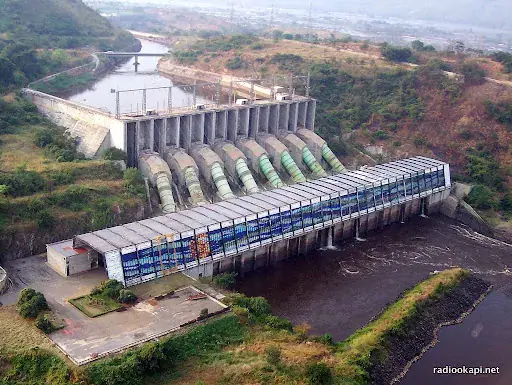
The Grand Inga hydroelectric project in the Democratic Republic of the Congo has reached a significant milestone with the National Assembly declaring the bill for its implementation admissible on November 11. The project, located on the Congo River in the Kongo-Central province, is considered one of the largest hydroelectric projects globally, with an estimated potential of 44,000 megawatts. The government believes it can help alleviate the country's energy deficit and support industrialization.
The bill, presented by Minister of Hydraulic Resources and Electricity Aimé Sakombi Molendo, aims to establish a specific legal and institutional framework for Grand Inga. This framework is intended to ensure state sovereignty over the site, secure investments, and address environmental and social concerns related to its development. The project has a planned capacity of 44,000 megawatts, accounting for over a quarter of the country's estimated 167,200 megawatts of hydroelectric potential.
The Grand Inga project consists of six phases, from Inga 3 to Inga 8, with only Inga 1 and Inga 2 currently operational. The government expects the project to increase access to electricity, accelerate industrialization, attract investments, and create jobs, while strengthening the DRC's position in the African energy sector. The project's success is seen as crucial for the country's economic development and energy security.
Before its definitive adoption, the bill must be examined by the competent parliamentary commissions. The National Assembly has transmitted the text to the Territorial Planning and Infrastructure Commission for in-depth examination, with the involvement of the Economic and Financial Commission. This legislative step is considered essential for mobilizing the necessary financing to make the project a reality.
The project's development has been ongoing, with the government emphasizing the need for increased valorization of this strategic resource. The minister highlighted the importance of improving the electricity supply and supporting the country's economic development. The project's realization is expected to have a positive impact on the country's energy landscape and economic growth.
The DRC's energy sector is poised to benefit significantly from the Grand Inga project. The project's implementation is seen as a key factor in addressing the country's energy deficit and promoting economic development. The government's efforts to secure investments and ensure state sovereignty over the site are critical to the project's success.
The Grand Inga project's progress is being closely watched by stakeholders, including international organizations and investors. The project's success will depend on effective implementation, environmental and social considerations, and securing the necessary financing. The DRC's commitment to developing its energy sector is clear, and the Grand Inga project is a significant step towards achieving this goal.
Key points
- The Grand Inga hydroelectric project has a planned capacity of 44,000 megawatts, accounting for over a quarter of the DRC's estimated hydroelectric potential.