The Democratic Republic of Congo is making efforts to bring back the remains of its ancestors from Belgian institutions. Deputy Jean-Jacques Mbungani Mbanda recently attended a ceremony in Brussels titled "Le Chemin du Retour" where he emphasized the need for the repatriation of these remains. The event was organized by AfriqHope, an organization that advocates for the return of human remains from colonial-era collections.
Mbungani, representing the National Assembly, expressed his support for the repatriation process and highlighted the importance of collaboration between institutions. He cited the return of Patrice Emery Lumumba's remains in June 2022 as a positive precedent. The deputy also stressed the need for a legal and institutional framework to facilitate the repatriation process. This initiative aims to address the historical injustices and promote national reconciliation.
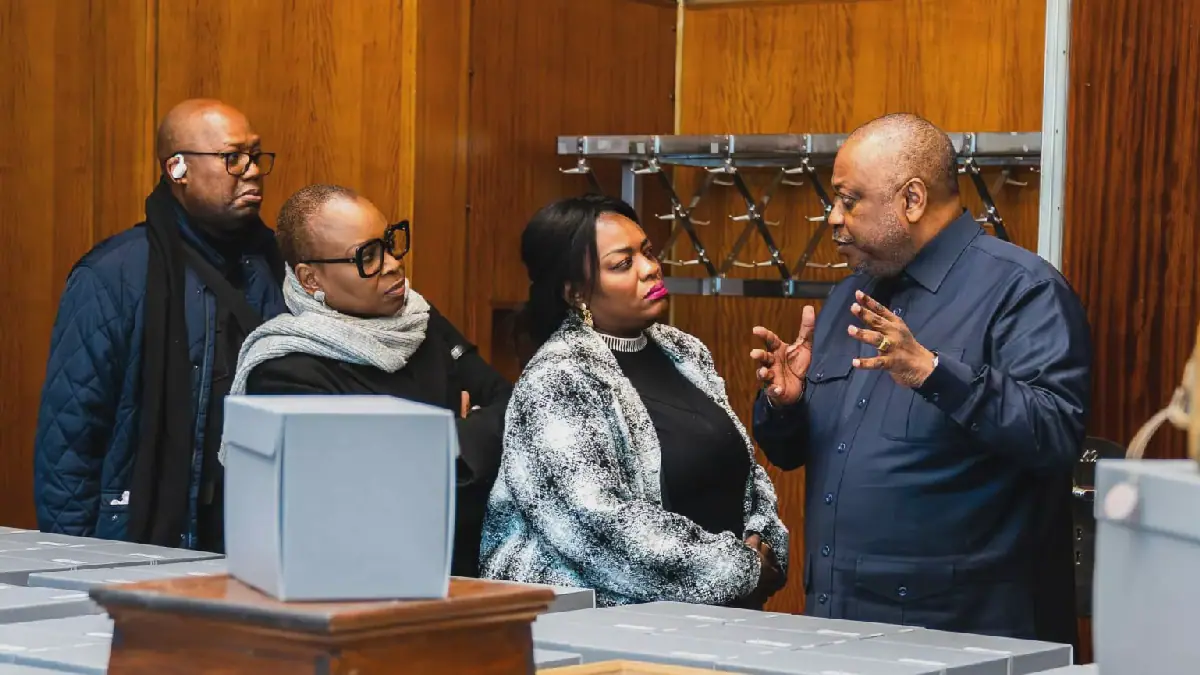
The Belgian government and parliament have shown willingness to collaborate on the repatriation process. Lydia Mutsebele, a Belgian federal deputy, mentioned potential cooperation between the Chamber of Representatives and the Belgian government to overcome obstacles. The ceremony in Brussels was an emotional and symbolic event, with participants observing a moment of silence and reciting traditional Congolese songs.
Mbungani proposed a concerted calendar for repatriation, a clear legal and institutional framework for identification, reception, and dignified burial of the remains, as well as strengthened coordination between the Congolese parliament, government, and civil society organizations. These suggestions aim to structure the process and define the responsibilities of the parties involved.
The repatriation of ancestral remains is a matter of national dignity, identity, and reconciliation for the DR Congo. The country's authorities believe that recovering and properly burying the remains will help heal historical wounds. This process is also seen as an opportunity for the Congolese people to reconnect with their heritage and pay respects to their ancestors.
The issue of repatriation has gained momentum in recent years, with increased awareness about the colonial-era practices of collecting human remains. A documentary titled "Écho du silence" was screened during the ceremony, highlighting the circumstances under which some remains were collected. The film sparked emotional reactions and underscored the need for restitution.
The DR Congo's efforts to repatriate ancestral remains from Belgium are part of a broader push to assert national sovereignty and cultural heritage. The government and parliament are working to create a framework that will facilitate the return of these remains and promote a sense of closure and healing for the Congolese people.
Key points
- The DR Congo's National Assembly is actively supporting the repatriation of ancestral remains from Belgian institutions.
- A legal and institutional framework is being proposed to facilitate the repatriation process.
- The repatriation of ancestral remains is seen as a matter of national dignity, identity, and reconciliation for the DR Congo.