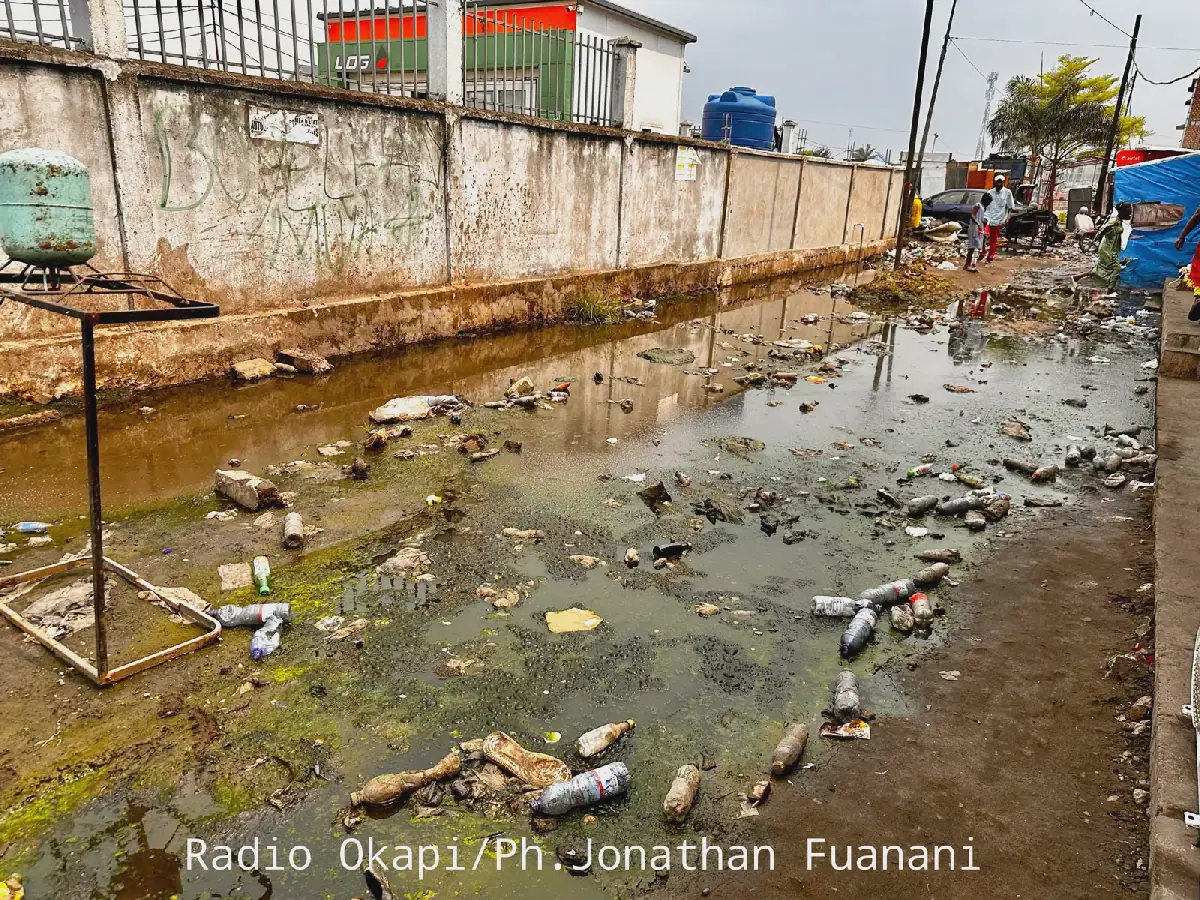
The South Kivu provincial assembly in the Democratic Republic of the Congo has taken a significant step towards improving wastewater management in the region. On November 23, the assembly declared a proposal for an ordinance on wastewater management admissible. The proposal, initiated by provincial deputy Ananie Lunanga, aims to strengthen public hygiene, protect the environment, and prevent diseases such as cholera and dysentery.
The proposal comes at a time when the province is facing recurring difficulties with sanitation in several agglomerations. According to its initiator, the proposal seeks to provide South Kivu with a suitable legal framework for wastewater management and public health protection. The proposed ordinance is structured into seven titles and 43 articles, and it prohibits the disposal of untreated wastewater into drains, watercourses, and other natural spaces.
The proposal establishes norms for the construction, maintenance, and operation of installations for wastewater evacuation and treatment. It also imposes specific obligations on property owners and companies specializing in drainage operations. Furthermore, the text provides for the development of sanitation plans at the city and commune levels, which will involve local authorities, neighborhood heads and committees, universities, and private sector actors.
The objective of the proposal is to promote coordinated sanitation management and improve the living conditions of the population. To ensure compliance with these provisions, the proposal provides for financial sanctions ranging from 30,000 to 50 million Congolese francs. The fines can be doubled in case of recidivism, and the text also provides for the administrative closure of an establishment for a maximum period of three months in cases of particularly serious or repeated offenses.
The declared admissible proposal will now be examined in-depth by the South Kivu provincial assembly. If adopted, its promoter estimates that this regulation could contribute to strengthening public hygiene, reducing health risks, and improving environmental management in the cities and territories of South Kivu. The province has long struggled with sanitation challenges, and this proposal aims to address some of these issues.
The proposal's initiator, Ananie Lunanga, believes that the regulation will help improve the living conditions of the population and reduce the risks of waterborne diseases. The proposal also aims to promote a culture of sanitation and hygiene in the region, which is essential for preventing diseases and protecting public health.
The adoption of this proposal could have a significant impact on the health and well-being of the population in South Kivu. With improved wastewater management, the region can reduce the risks of waterborne diseases and improve the overall quality of life for its residents. The proposal's implementation will require collaboration between local authorities, communities, and other stakeholders to ensure its success.
Key points
- The proposal aims to strengthen public hygiene and prevent waterborne diseases in South Kivu.
- The proposed ordinance prohibits the disposal of untreated wastewater into natural spaces.
- Financial sanctions ranging from 30,000 to 50 million Congolese francs are provided for non-compliance.