The Democratic Republic of Congo has initiated a comprehensive reform of its electricity sector, focusing on tariffs, connection costs, and investments. The Autorité de régulation du secteur de l'électricité (ARE) and the African Development Bank (AfDB) recently convened a meeting in Kinshasa to discuss the tools needed to implement this reform. The talks centered on three main areas: studying the cost of electricity services, harmonizing tariff methodologies, and establishing a regulatory framework for grid connections.
The reform aims to enable the regulator to better understand the actual costs of electricity, anticipate demand evolution, and set tariffs on more reliable bases. The new system is expected to gradually lead to more transparent pricing while preserving household purchasing power and operators' ability to invest in infrastructure. An study conducted on the perimeter of the Société nationale d'électricité (SNEL) is a key tool in this process, providing insights into service costs, necessary revenues for operators, and the effects of different tariff options.
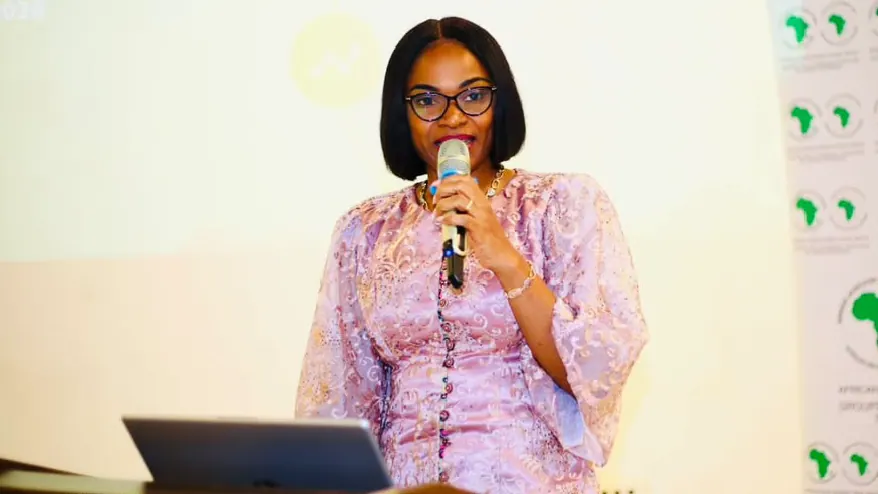
According to Soraya Aziz-Moto, Director-General of the ARE, the study provides essential tools for understanding sector costs, demand evolution, and the impact of tariff choices. The goal is to contribute to more transparent and predictable regulation, taking into account consumer needs. Beyond tariffs, the reform seeks to strengthen the financial viability of the electricity sector and reassure investors, creating better conditions for developing production, transport, and distribution infrastructure.
Cherif Mohamed, Country Representative of the AfDB in the DRC, emphasized that the ongoing work goes beyond technical aspects related to tariffs and connections. He stressed that the reform is part of a broader reflection on how the DRC can build a well-regulated, financially viable electricity sector capable of attracting the necessary investments to expand access to electricity across the country.
One of the challenges is the quality of available data. In 2024, SNEL had nearly one million billed customers and sold around 10,000 gigawatt-hours of electricity per year. However, most energy consumption is concentrated among a limited number of large industrial consumers connected to high-voltage grids. The study recommends establishing a progressive, simple, and operational tariff framework, with more sophisticated mechanisms as data and regulator capacities strengthen.
Grid connection is also a priority, with the goal of finalizing rules applicable to operators and users to make procedures clearer and more predictable. A better-defined framework is seen as a lever to secure investments in production, transport, and distribution. According to Callixte Kambanda, responsible for the Energy Policies, Regulation, and Statistics division, effective economic regulation is essential for attracting investments, strengthening sector viability, and improving electricity service quality.
The next challenge for the authorities and their partners will be to move from studies to validation and implementation. The ambition is to have a better-regulated electricity sector, financially viable and capable of attracting the necessary investments to expand access to reliable, affordable, and sustainable electricity. The reform is part of the AfDB's support for the DRC through the Africa Energy Sector Technical Assistance Program (AESTAP) and the Mission 300, which aims to expand access to electricity for 300 million Africans by 2030.
Key points
- The DRC is reforming its electricity sector to improve regulation, tariffs, and investments.
- The reform aims to increase access to reliable and affordable electricity.
- The African Development Bank is supporting the reform through technical assistance and investment.