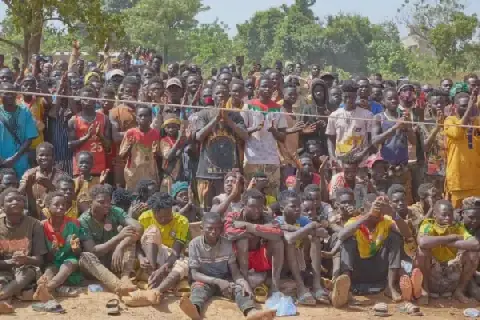
A sensitization activity was held at Kimbangu Stadium in Beni, Democratic Republic of the Congo, targeting representatives from motorcyclist corporations, citizen movements, and pressure groups. Organized by risk communication and community engagement teams, the event aimed to address concerns and misinformation surrounding the management of Ebola victims' remains. Participants learned about secure burial procedures and sample collection for disease diagnosis.
The activity, reported by Radio Okapi, sought to alleviate community concerns and resistance to Ebola response efforts. According to organizers, the exchanges will help reduce misinformation and resistance. Katembo Yesu, president of the Beni Taxi Association Platform, expressed gratitude for the sensitization, citing the need to clarify burial procedures. He noted that some people deny the existence of Ebola, believing in rumors instead.
The Ebola response teams believe that a better understanding of dignified and secure burial procedures will foster community collaboration in the fight against Ebola. The teams encourage community relays, motorcyclists, and citizen groups to disseminate verified information to limit rumor circulation. This effort aims to enhance community engagement and cooperation in Ebola response efforts.
The Democratic Republic of the Congo continues to grapple with the Ebola outbreak. According to previous reports, the country has been experiencing challenges in managing the outbreak, including community resistance and misinformation. The sensitization activity in Beni is part of broader efforts to address these challenges and strengthen Ebola response.
The event provided a platform for participants to ask questions and clarify concerns about Ebola and burial procedures. Organizers emphasized the importance of collaboration between communities and response teams in containing the outbreak. By sharing accurate information, participants can help mitigate the spread of Ebola and promote a safer environment for communities.
In related news, the Ervebo vaccine has been administered to Ebola response agents in Ituri, DR Congo. This development underscores the country's continued efforts to combat the outbreak through vaccination and other response strategies. The vaccine is expected to help protect response teams and vulnerable populations from Ebola.
The collaboration between community groups, motorcyclists, and response teams in Beni demonstrates a multi-faceted approach to addressing the Ebola outbreak. By engaging various stakeholders, response teams can build trust and promote cooperation, ultimately enhancing the effectiveness of Ebola response efforts.
Key points
- The DR Congo government, through risk communication and community engagement teams, is working to educate communities on dignified and secure burial procedures to combat Ebola.
- Community resistance and misinformation remain significant challenges in the Ebola response efforts in the Democratic Republic of the Congo.
- The Ervebo vaccine has been administered to Ebola response agents in Ituri, DR Congo, as part of efforts to protect response teams and vulnerable populations.