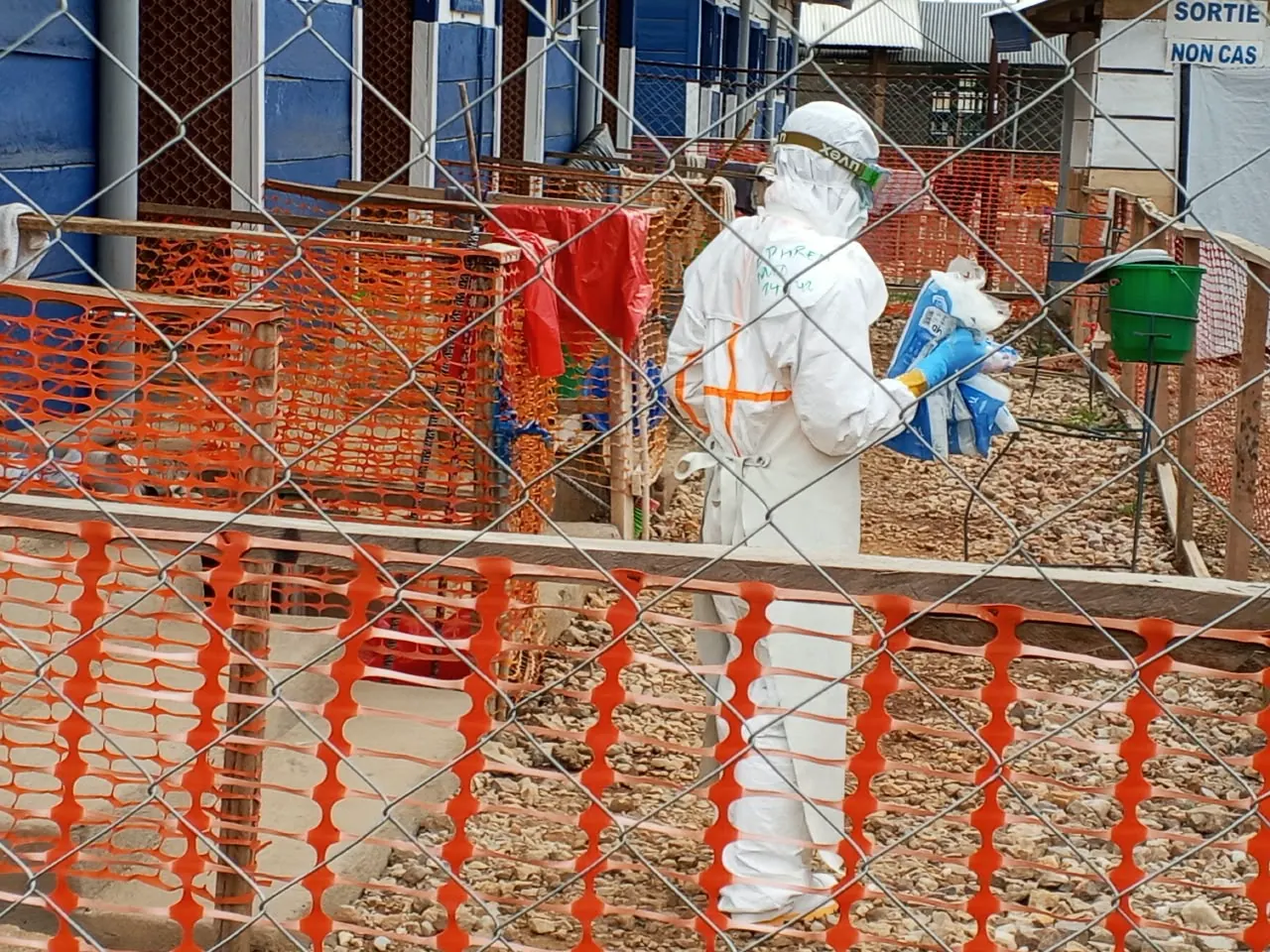
Medical unions in the Democratic Republic of the Congo's Tshopo province have denounced the response to the Ebola outbreak, citing several shortcomings they deem worrisome. The unions, Synamed and Symeco, met with provincial health officials in Kisangani to discuss the issues. They expressed deep concerns over the current state of the response, which they believe is inadequate. The meeting came days after the death of Dr. Victor Kingombe, a physician actively involved in the Ebola response, at the Kisangani Ebola Treatment Center.
The medical unions highlighted several key issues, including a shortage of adequately trained doctors to identify, monitor, and track suspected Ebola cases. They also pointed to insufficient medical personnel in facilities responsible for patient care. Furthermore, the unions noted a lack of water, hand sanitizer, and personal protective equipment for healthcare workers. These shortages, they argue, compromise the ability to effectively respond to the outbreak and put healthcare workers at risk.
Another major concern raised by the unions is the slow response time of Ebola response teams after alerts are issued by healthcare facilities. This delay, they believe, hampers the rapid management of suspected cases and increases the risk of disease transmission. The unions are calling for strengthened intervention mechanisms to ensure a quicker response to health alerts. They also demand a thorough and independent investigation into the circumstances surrounding Dr. Kingombe's infection and death.
The medical unions have made several recommendations to address these issues. They are calling for the temporary closure of facilities identified as sources or epicenters of the outbreak to allow for disinfection and improved care for contact persons. The unions also urge health authorities to intensify community awareness, strengthen epidemiological surveillance, and enhance protection measures for healthcare professionals involved in the Ebola response.
The death of Dr. Victor Kingombe has sent shockwaves through the medical community and provincial authorities. The governor of Tshopo province expressed his sadness over the loss of a dedicated healthcare worker fighting the epidemic. The medical unions believe that this tragedy should serve as a wake-up call for rapid improvements in prevention, surveillance, and care to better protect healthcare workers and the population from the Ebola virus.
The situation in Tshopo province highlights the ongoing challenges in responding to the Ebola outbreak in the Democratic Republic of the Congo. Despite efforts to contain the disease, the virus continues to spread, and healthcare workers remain at risk. The medical unions' concerns underscore the need for sustained support and resources to effectively combat the epidemic.
The incident has also drawn attention to the importance of protecting healthcare workers on the front lines of the Ebola response. The medical unions' demands for improved working conditions, adequate training, and enhanced protection measures are crucial to preventing further infections and deaths among healthcare workers.
Key points
- Medical unions in Tshopo province criticize the Ebola response, citing inadequate training and staffing shortages.
- The unions demand a thorough investigation into the death of Dr. Victor Kingombe, a physician who died from Ebola.
- The medical community calls for improved working conditions, training, and protection measures for healthcare workers fighting the Ebola outbreak.