Former DR Congo President Joseph Kabila has officially taken the helm of the Front for National Refoundation (FRN), a new political-military movement. The announcement was made on October 12 in Goma, a city controlled by the AFC/M23 rebel coalition for over two years. This development marks the dissolution of the AFC/M23 coalition, with Corneille Nangaa and Bertrand Bisimwa, two prominent figures, appointed as vice-presidents of the FRN.
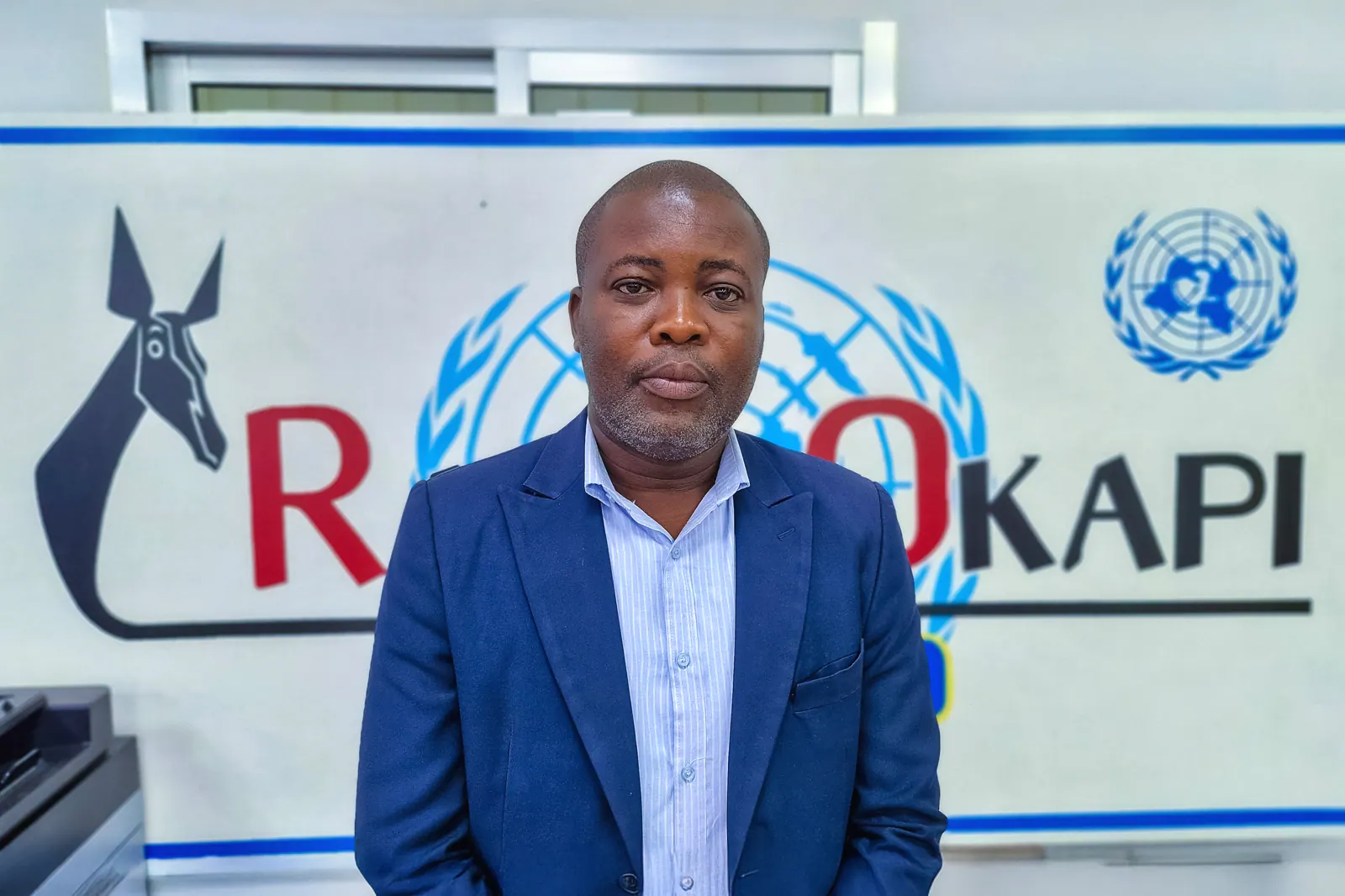
Political analyst Christian Moleka reacted to Kabila's decision, stating that it clarifies the positions of Congolese political actors and could significantly impact ongoing national dialogue and peace processes. Moleka noted that Kabila's new posture was predictable, given his previous speeches and positions. The analyst believes that Kabila's move signals a more divisive approach, distancing himself from the prospect of dialogue.
The FRN's creation has raised questions about the future of ongoing dialogue initiatives and peace processes, including the Doha process. Christian Moleka expressed concerns that Kabila's decision could disrupt internal processes and alter the dynamics between political actors in Kinshasa and elsewhere. The analyst wonders how pro-dialogue actors will adapt their positions in response to Kabila's new approach.
Kabila's move has also sparked reactions within his inner circle, with several collaborators, including those from the Parti du peuple pour la reconstruction et la démocratie (PPRD), announcing their resignation. The FRN cites Article 64 of the Congolese Constitution, which recognizes the duty of every citizen to prevent the seizure or exercise of power by force or in violation of constitutional provisions.
Christian Moleka believes that Kabila's announcement marks a significant shift in the Congolese political landscape, with potential consequences for alliances and dialogue initiatives. The analyst emphasizes that the positions taken by various actors in response to this new configuration will be crucial in determining the future of ongoing political processes.
The FRN's emergence has sparked concerns about the potential impact on national dialogue and peace processes. The movement's invocation of Article 64 of the Constitution has raised questions about its intentions and the potential for conflict. As the situation unfolds, the international community and Congolese citizens will be watching closely to see how events develop.
The developments surrounding Kabila's new role in the FRN have significant implications for the country's fragile peace and stability. The situation remains fluid, with various actors poised to respond to the changing landscape. As the country navigates this complex period, the need for inclusive dialogue and a peaceful resolution to the crisis has become increasingly pressing.
Key points
- Joseph Kabila's decision to lead the FRN could significantly impact ongoing national dialogue and peace processes in DR Congo.
- The FRN's creation marks a significant shift in the Congolese political landscape, with potential consequences for alliances and dialogue initiatives.
- Kabila's move has sparked mixed reactions, including resignations within his inner circle and concerns about the potential for conflict.