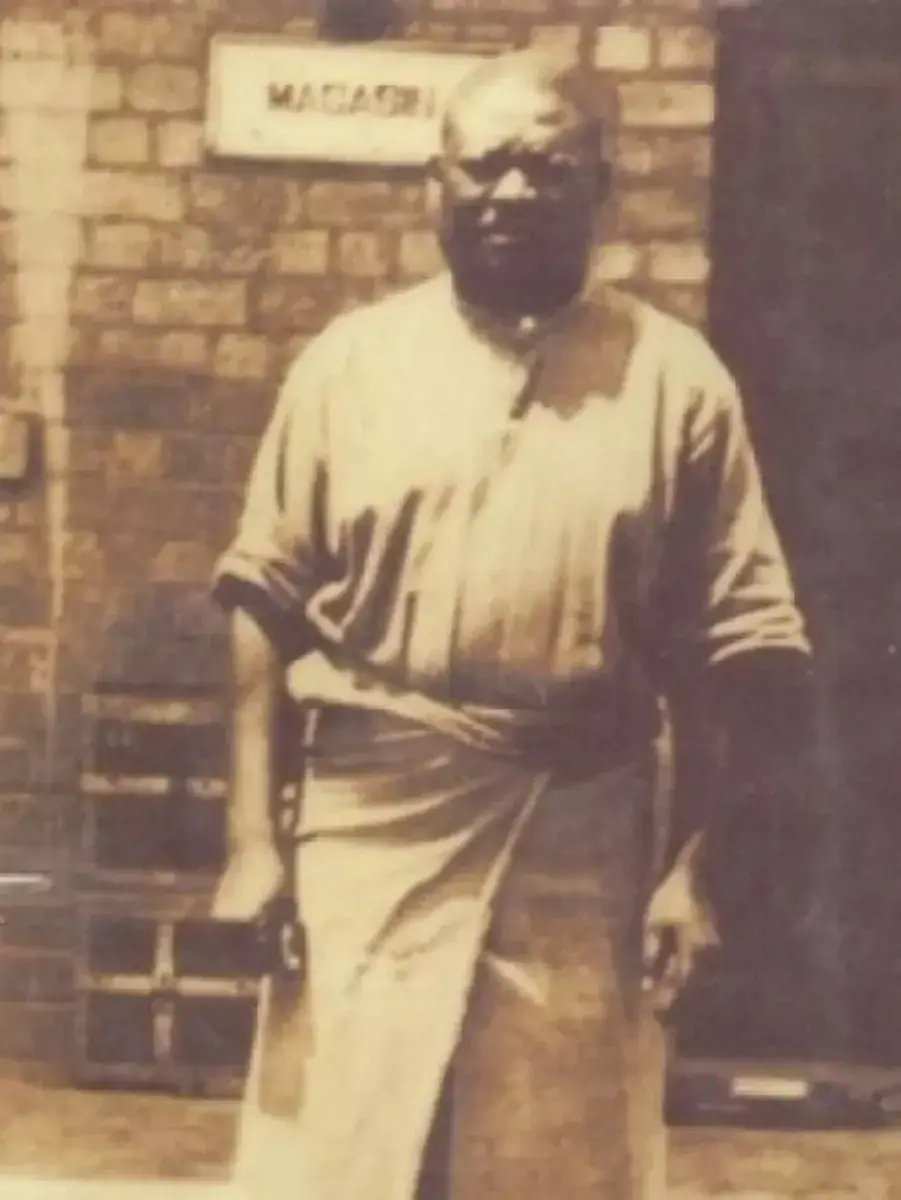
Tata Kimbangu, a figure revered by many in the Democratic Republic of Congo, was subjected to brutal treatment by Belgian colonizers in the early 20th century. Born in 1883, Kimbangu was a prophet and a resistance leader who fought against colonial rule. He was arrested, imprisoned, and sentenced to death by a colonial war council. His sentence was later commuted to life imprisonment, and he was imprisoned for 30 years.
Kimbangu's imprisonment was marked by harsh conditions, including 120 lashes per day. Despite his ill-treatment, he never lost his faith and continued to inspire his fellow Congolese to resist colonial rule. His legacy has endured, and many Congolese people consider him a hero. Recently, the Congolese parliament declared him a national hero, alongside Etienne Tshisekedi wa Mulumba, a prominent politician.
However, some have questioned the legitimacy of Kimbangu's national hero status, citing the fact that some parliamentarians who supported the move are allegedly corrupt and have questionable credentials. These critics argue that these parliamentarians, who earn over $31,000 per month, are not in a position to confer hero status on anyone. They also point out that Kimbangu's struggle against colonial rule was fundamentally different from Tshisekedi's more recent political activism.
The controversy surrounding Kimbangu's national hero status has sparked a wider debate about the country's history and its heroes. Some have expressed concern that the government's move to elevate Kimbangu to national hero status may be an attempt to co-opt his legacy and use it for political gain. Others have argued that Kimbangu's status as a national hero should be recognized and celebrated, regardless of the motivations behind the government's decision.
Freddy Mulongo Mukena, a Congolese journalist and activist, has written extensively on the topic. He argues that Kimbangu's legacy should not be reduced or co-opted by the government or by corrupt parliamentarians. Mukena believes that Kimbangu's hero status should be recognized and celebrated by the Congolese people, rather than being conferred by a government or a parliament.
The debate surrounding Kimbangu's national hero status highlights the complexities of Congolese history and politics. It also underscores the need for a more nuanced understanding of the country's past and its heroes. As the country continues to grapple with the challenges of the present, it is clear that its history will remain a contentious and highly charged issue.
Ultimately, the controversy surrounding Tata Kimbangu's national hero status serves as a reminder of the power of historical narratives and the importance of understanding the complexities of the past. As the Democratic Republic of Congo continues to navigate its challenging present and uncertain future, it is clear that its history will remain a vital part of its identity and its ongoing story.
Key points
- The controversy surrounding Tata Kimbangu's national hero status has sparked a wider debate about the country's history and its heroes.