The Congolese government has certified $153.95 million in losses and revenue shortfalls for oil companies in the third quarter of 2026. This certification was done by the Committee for Monitoring Oil Product Prices (CSPPP) and covered four supply zones: South, East, West, and North. The CSPPP validated a total amount of $153,951,330.09, with the South zone accounting for $14,497,027.71 and the West and North zones totaling $139,454,302.38.
The certification of these losses is part of a compensation mechanism put in place by the authorities to support oil operators in their financial constraints related to the stabilization of fuel prices on the domestic market. This development comes as the global oil market faces pressure due to tensions in the Middle East, which have driven up international hydrocarbon prices. The Congolese government has chosen to maintain fuel prices at the pump, limiting the immediate transmission of international market fluctuations to consumers.
The government has decided to maintain fuel prices, limiting the impact of international price fluctuations on consumers. This policy aims to cushion the effects of the oil market situation on households and economic activities heavily dependent on fuel. Sectors such as transportation, commerce, and productive industries are likely to be affected by a sudden increase in fuel prices. However, this policy requires a financial effort from the public authorities, who must compensate the losses recorded by the operators concerned.
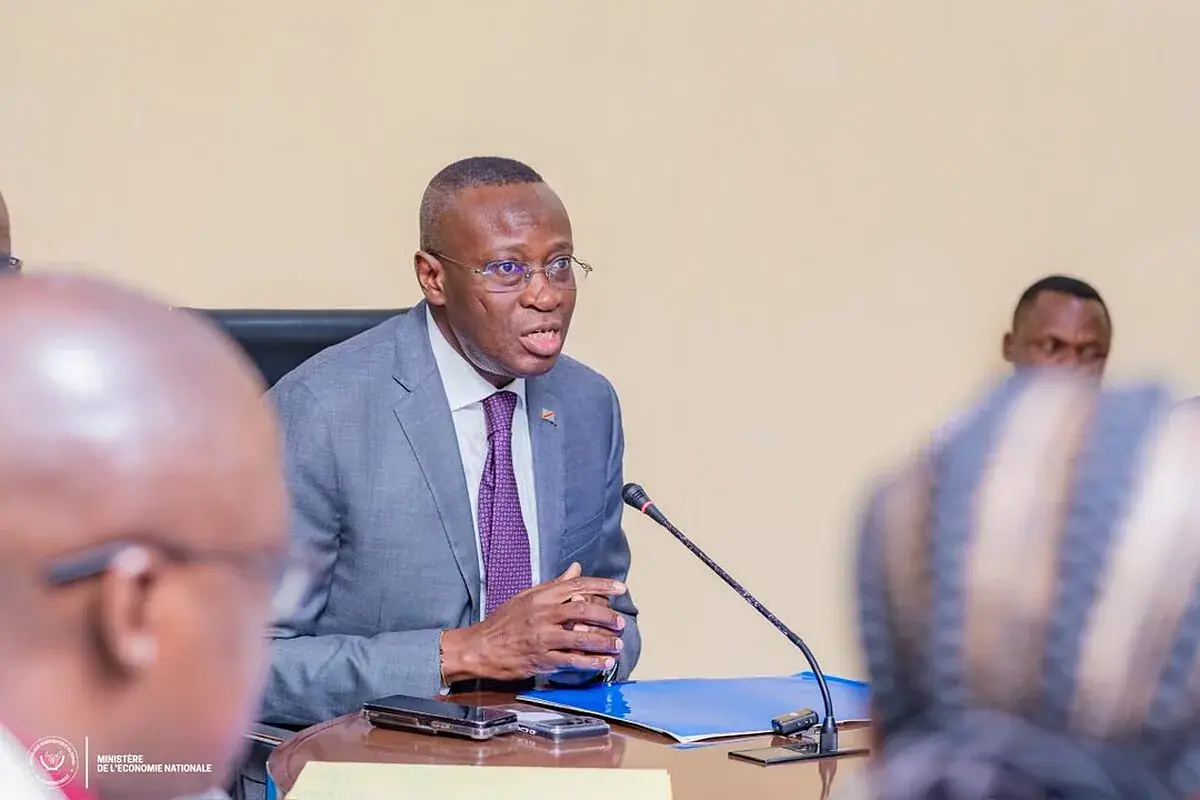
Vice-Premier Minister of National Economy, Daniel Mukoko Samba, announced that the government will pay the certified amounts for the third quarter and advances for the fourth quarter of 2026. This decision aims to alleviate the financial burden on oil companies and ensure the continuity of the country's fuel supply. Mukoko Samba emphasized the need to preserve the interests of the Republic and maintain the availability of fuel products across the national territory.
The certification exercise and announcement of payments took place during a particularly delicate time for the global oil market. The government is working to maintain the balance of the oil sector in an international environment marked by price volatility. The Congolese government is pursuing its efforts to ensure the smooth operation of the oil sector, which is crucial for the country's economy.
The works were attended by several oil companies, including Engen, Sonahydroc, and TotalEnergies, as well as public institutions such as the Presidency of the Republic, the Prime Minister's Office, and ministries of Hydrocarbons, Finance, and Portfolio. The presence of these different operators highlights the importance of concertation in a sector where the continuity of supply depends on the coordinated intervention of several actors.
The challenge for the Congolese government is to maintain a balance between protecting consumers against international price fluctuations and ensuring the financial viability of oil companies. The mechanism of losses and revenue shortfalls is an essential instrument of the fuel price stabilization policy, allowing the recognition of charges supported by operators in this context.
Key points
- The Congolese government certified $153.95 million in oil losses and revenue shortfalls for Q3 2026.
- The government announced urgent payments to oil operators to alleviate their financial burden.
- The goal is to maintain fuel price stability and ensure a continuous supply of oil products in the country.