Residents of Minembwe in the mountains of South Kivu, eastern Democratic Republic of Congo, have been struggling to survive under a renewed military siege that has cut off essential supplies and restricted movement. The blockade, which has lasted nearly a month, has left the sick and wounded with diminishing access to medical care. Food shortages are worsening, and medicines are running out, making it difficult for residents to obtain even the most ordinary household necessities.
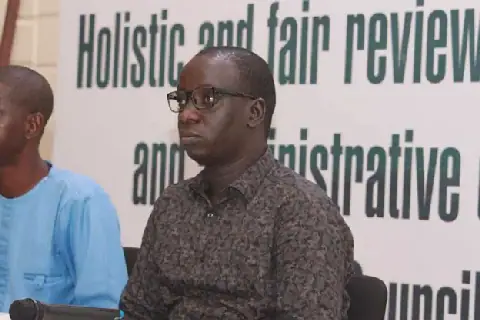
The scale of the crisis is reflected in the soaring price of basic goods, with a kilogram of salt costing as much as $30 in some circumstances. Ordinarily, salt is the cheapest essential item, costing no more than $3. The deteriorating situation was highlighted by Bertrand Bisimwa, Vice-President of the Front for the Refoundation of the Nation, during a meeting in Goma with James Swan, head of the United Nations peacekeeping mission in DRC, MONUSCO.
Bisimwa accused the government in Kinshasa of intensifying military operations in South Kivu and opening new fronts, in violation of commitments under the Doha peace process. Forces enforcing the blockade include the Congolese army, Burundian troops, Rwandan FDLR militia, foreign mercenaries, and Wazalendo militia. The humanitarian consequences are also described in detail in Whatsapp groups of Banyamulenge diaspora, with reports of Minembwe's hospital struggling to treat the growing number of sick and wounded people.
Traders supplying the area are reportedly forced to use difficult routes through Uvira, Bijombo, and Kamombo, all far away. Some carry goods over long distances on foot, exposing themselves to insecurity along the way. The current crisis follows an earlier, prolonged blockade that began in October 2025. In July 2026, Twirwaneho fighters allied to the AFC/M23 took control of Minembwe, ending that period of encirclement and allowing some residents to return.
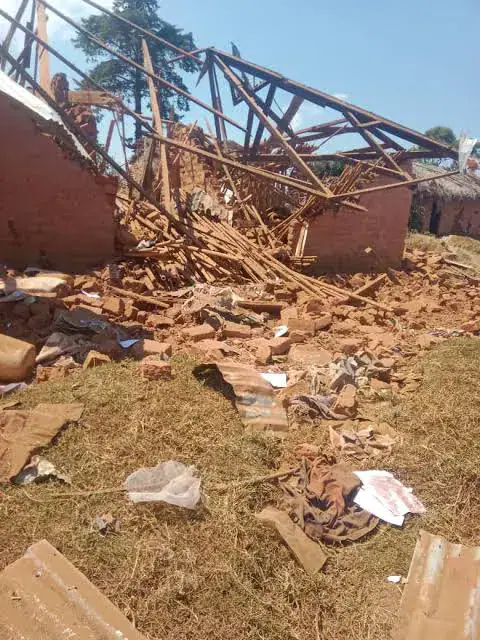
However, renewed military pressure has raised fears of another siege. By September, reports were already warning that government-aligned forces were preparing to re-establish restrictions around the highlands. The latest escalation has also involved reported aerial attacks, with bombardments on November 2 and 3 causing deaths and injuries, while wounded residents could not reach medical supplies or treatment.
The FRN's spokesperson, Lawrence Kanyuka, accused government forces of using drones against Minembwe, with two strikes hitting Minembwe Centre on the evening of November 3. The diaspora association Mahoro Peace also reported attacks affecting Madegu, Ilundu, and Gakenke, alleging that CH-4 drones were involved. The claims and reported casualty figures have not been independently verified.
Meanwhile, reports circulating on social media say a Starlink satellite internet facility used by residents to communicate with the outside world has been bombed. The situation has revived concerns about the vulnerability of civilians caught between armed forces and competing military objectives. Residents are calling for the demilitarisation of the area, a neutral force to protect civilians, and safe passage for food, medicine, and medical evacuations.
Key points
- The blockade has led to food shortages, medicine scarcity, and soaring prices of basic goods.
- The situation has revived concerns about the vulnerability of civilians caught between armed forces and competing military objectives.
- Residents are calling for the demilitarisation of the area, a neutral force to protect civilians, and safe passage for food, medicine, and medical evacuations.