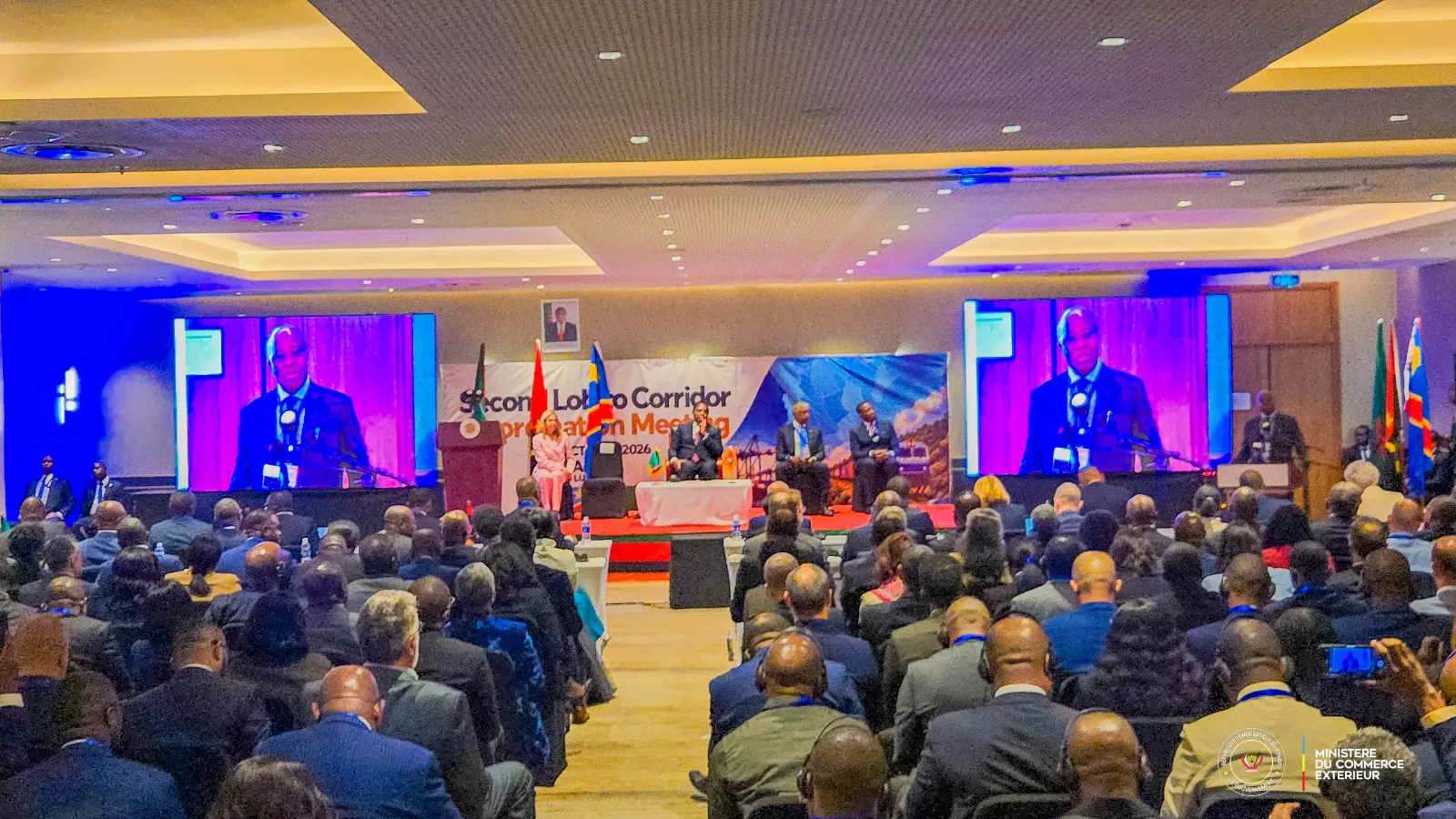
The Democratic Republic of Congo, Angola, and Zambia have convened to accelerate the implementation of the Lobito Corridor project. The second high-level coordination meeting took place in Lusaka, Zambia, on October 5, with representatives from the World Bank, African Development Bank, and other partners in attendance. Discussions centered on financing energy and logistics infrastructure, developing the corridor as an economic hub, and facilitating trade.
The meeting examined ways to reduce administrative barriers and harmonize customs procedures. The Congolese delegation, led by Planning Minister Guylain Nyembo, called for swift implementation of the project. The DR Congo aims to develop industrial zones and infrastructure along the corridor, focusing on agro-industry and tourism to diversify economic activities. This initiative seeks to transform the corridor into more than just a mineral transportation route.
Zambian President Hakainde Hichilema presented the Lobito Corridor as a project that can contribute to the African Continental Free Trade Area and promote trade among African countries. He commended the agreement between Zambia and the DR Congo to modernize their common borders, which includes constructing single-stop border posts to reduce costs and streamline import, export, and transit operations.
Financial partners reaffirmed their commitment to the corridor project. The World Bank announced plans to accelerate financing for the Dilolo-Sakania railway line, which will connect mining areas in the DR Congo, Zambia, and Angola, enabling the transportation of goods to the Atlantic port of Lobito. Participants aim to transition from commitments to tangible infrastructure development and operational mechanisms.
The Lobito Corridor project has garnered significant attention due to its potential to boost regional trade and economic growth. By enhancing infrastructure and streamlining trade processes, the project can increase economic opportunities and reduce poverty in the region. The DR Congo, Angola, and Zambia are working together to ensure the project's success.
The second high-level coordination meeting built on the progress made during the first meeting. Participants reviewed the current state of the project, identifying areas that require further attention. They also discussed strategies for mobilizing resources and expertise to support the project's implementation.
The Lobito Corridor project is expected to have a significant impact on regional trade and economic development. With the support of international partners, the DR Congo, Angola, and Zambia are working to overcome challenges and ensure the project's successful implementation. The project's success will depend on effective coordination and collaboration among stakeholders.
Key points
- The DR Congo, Angola, and Zambia are accelerating the Lobito Corridor project to boost regional trade and economic growth.
- The project aims to develop the corridor as an economic hub, focusing on infrastructure financing, trade facilitation, and industrial zone development.
- The World Bank has announced plans to accelerate financing for the Dilolo-Sakania railway line, a critical component of the Lobito Corridor project.