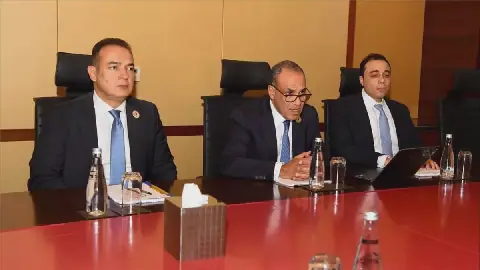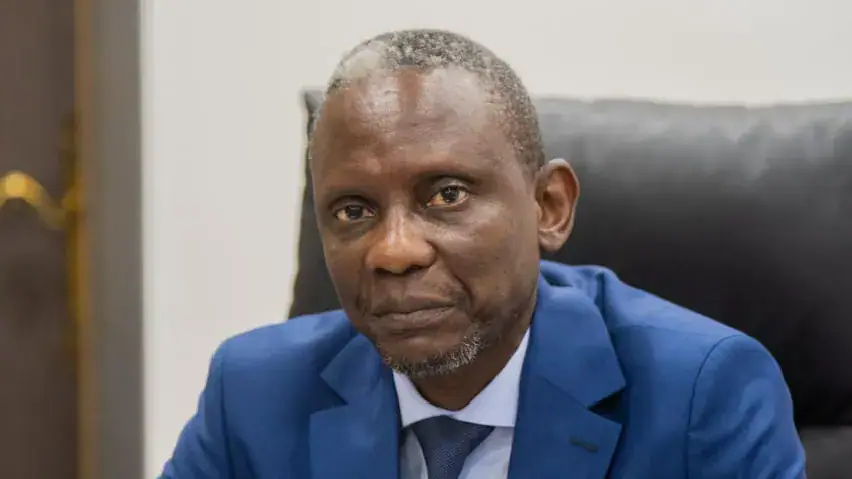
The Democratic Republic of the Congo and the Central African Republic are advancing with a major infrastructure project, a bridge over the Oubangui River, connecting Zongo in the DRC to Bangui, the capital of CAR. This strategic project has reached a decisive stage, with the Congolese Minister of Infrastructure and Public Works, John Banza, recently meeting with experts from the African Development Bank (AfDB), the Economic Community of Central African States (ECCAS), and officials from both countries. The meeting focused on the project's evaluation and next steps.
The bridge project, valued at approximately $221 million, will be jointly financed by the DRC and CAR, proportionate to the infrastructure and arrangements made on their respective territories. The project aims to stimulate commercial exchanges and support economic recovery in the region. According to authorities in both countries, this infrastructure is a major lever for regional integration. The project's implementation is expected to foster economic growth and improve connectivity between the two nations.
A delegation led by Mathurin Zanga, Senior Transport Specialist at the AfDB's DRC office, presented the conclusions of the latest evaluation mission, which is the final step before submitting the dossier to the AfDB's Board of Directors. The project's financing dossier will be submitted for examination and approval by the AfDB's Board of Directors in the first quarter of 2027. Meanwhile, tender procedures will be anticipated, with the agreement of the financial institution, to save time before contract signing.
The actual start of work is scheduled for the second half of 2027, after the ratification of agreements between the two countries. Minister Banza reaffirmed the DRC's total commitment to concretizing this initiative, consistent with President Félix-Antoine Tshisekedi Tshilombo's regional interconnection vision, implemented by the Suminwa government. Banza instructed technical teams and financial partners to accelerate the project's final stages and ensure strict adherence to the established calendar.
The project is expected to have a significant impact on the region, enhancing economic integration and stimulating commercial exchanges between the DRC, CAR, and the broader ECCAS region. The bridge will also contribute to the development of the region, improving access to markets, services, and opportunities for economic growth. By investing in this infrastructure, the DRC and CAR aim to strengthen their economic ties and promote regional cooperation.
The project's progress is a significant step towards achieving the objectives of the DRC and CAR governments, which prioritize regional integration and economic development. The bridge project aligns with the DRC's vision for infrastructure development and regional connectivity, as outlined by President Tshisekedi. The project's implementation will require close collaboration between the two countries, the AfDB, and other stakeholders.
As the project moves forward, the DRC and CAR will need to ensure that the necessary institutional and regulatory frameworks are in place to support its successful implementation. This includes ensuring that the project's environmental and social impacts are properly assessed and mitigated. With the project's expected start date in 2027, the DRC and CAR must remain committed to its successful implementation, which will require continued collaboration and coordination among all stakeholders.
Key points
- The Zongo bridge project aims to enhance regional integration and economic growth between the DRC and CAR.
Reporting sources
- Banza tient à concrétiser le projet du pont Zongo · Ouragan.cd