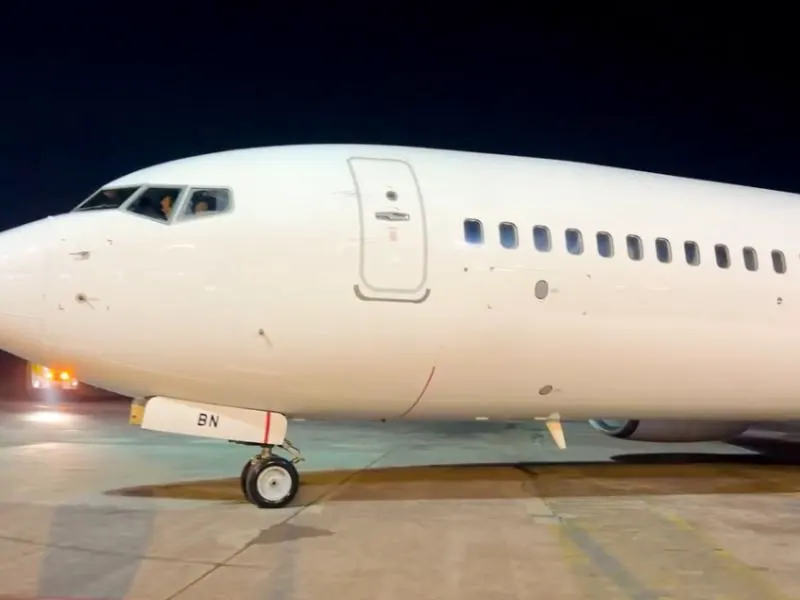
A tragic plane crash in Kenge, Democratic Republic of the Congo, has claimed the lives of 13 people, including high-ranking military officials, on September 25, 2026. The aircraft, en route from Kikwit to Kinshasa-N'dolo, crashed in the Kwango province, sparking widespread grief and outrage. The incident has exposed chronic vulnerabilities in the country's aviation ecosystem, prompting calls for urgent reforms and enhanced safety measures. Congo Aviation Solutions & Consulting (CASC) has expressed condolences to the families of the victims and reaffirmed its commitment to modernizing the country's aviation infrastructure.
The crash has highlighted the need for a thorough and independent investigation into the cause of the tragedy. CASC has urged the Bureau Permanent d'Enquêtes d'Accidents et Incidents d'Aviation (BPEA-RDC) to conduct a rigorous and transparent probe, including the analysis of flight recorders, maintenance records, and the evaluation of the aircraft's airworthiness. The investigation should also assess the effectiveness of the country's aviation regulatory framework and identify systemic failures that contributed to the crash.
The Democratic Republic of the Congo's vast territory poses significant challenges for search and rescue operations, as highlighted by the Kenge crash. CASC has emphasized the importance of establishing a robust Search and Rescue (SAR) system, compliant with International Civil Aviation Organization (OACI) standards. This would involve the deployment of specialized teams, equipped with advanced technology, including drones and medical helicopters, to rapidly locate and extract victims from remote or hostile areas.
The Kenge crash is not an isolated incident, but rather a symptom of a broader crisis in the country's aviation sector. CASC has proposed the establishment of the Académie Nationale pour la Formation Aéronautique (ANFA-RDC), a national aviation academy aimed at addressing the country's chronic shortage of skilled aviation professionals. The academy would provide training in areas such as piloting, maintenance, and air traffic control, reducing the country's reliance on foreign training and associated costs.
The ANFA-RDC project, backed by CASC, is seen as a critical step towards enhancing aviation safety and security in the Democratic Republic of the Congo. The academy's curriculum would be designed to meet international standards, with a focus on simulation-based training and cutting-edge technology. By developing local expertise, the country aims to reduce its vulnerability to aviation accidents and improve its overall aviation infrastructure.
The establishment of ANFA-RDC would also help to address the brain drain affecting the country's aviation sector, with many skilled professionals forced to seek training and employment abroad. By providing high-quality training and career opportunities locally, the academy could help to retain talent and reduce the financial burden associated with foreign training. This, in turn, could contribute to a more sustainable and self-sufficient aviation sector.
As the Democratic Republic of the Congo continues to mourn the victims of the Kenge crash, there is growing recognition of the need for fundamental reforms in the country's aviation sector. The government, industry stakeholders, and experts agree that a comprehensive overhaul is necessary to prevent future tragedies and ensure the safety of passengers and crew. The proposed ANFA-RDC academy is seen as a key component of this effort, offering a long-term solution to the country's aviation challenges.
Key points
- DR Congo's aviation sector requires urgent reforms to address chronic vulnerabilities and ensure safety.
- A national aviation academy, ANFA-RDC, is proposed to address the country's shortage of skilled aviation professionals.
- The establishment of a robust Search and Rescue system is critical to responding effectively to aviation emergencies.